







Welcome to the Rainforest
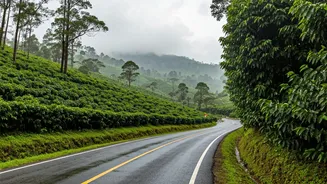
Nestled in the Western Ghats of Karnataka, Agumbe is a small village with a colossal reputation. It’s a land of staggering rainfall, dense evergreen forests, and a biodiversity so rich it’s a designated UNESCO World Heritage Site. This is the landscape
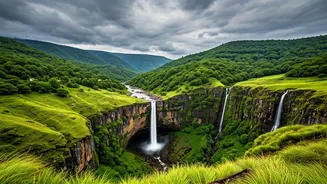
that famously served as the backdrop for the iconic TV series 'Malgudi Days', and its old-world charm remains palpable. But beyond the nostalgia, Agumbe is a vital ecological hub, home to the Agumbe Rainforest Research Station (ARRS) and a sanctuary for the majestic King Cobra, which is revered by the local community. Visiting Agumbe during the monsoon, from June to September, means witnessing a world transformed. The air is thick with mist, the foliage turns a hundred shades of impossible green, and waterfalls, silent for months, roar back to life.
The Magic of Monsoon Trails
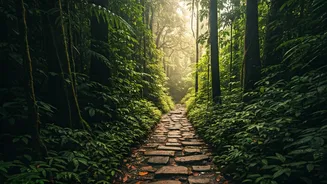
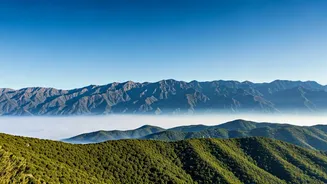
Trekking in Agumbe is less about conquering peaks and more about immersing your senses in the living, breathing rainforest. The trails here are not just paths; they are corridors through a vibrant ecosystem. You’ll walk under a dense canopy, with the symphony of cicadas and frogs as your soundtrack and the earthy smell of wet soil filling the air. Popular trails can lead to spectacular waterfalls like Onake Abbi, Barkana Falls, and Jogi Gundi Falls. However, access to many of these can be restricted during heavy monsoons for safety reasons, and permits from the forest department are often required. Trails like the one to Kavaledurga Fort offer a mix of history and stunning views of the Malenadu landscape. For those seeking a challenge, the Narasimha Parvatha trek is a difficult but rewarding journey through thick forest, though it’s recommended for experienced trekkers.
Backpacking with a Conscience
The “conscious” part of backpacking in Agumbe is what sets the experience apart. This is a fragile ecosystem, and responsible tourism is not just encouraged; it’s essential. Being a conscious traveller here means understanding your impact. It starts with choosing to stay in one of the many local homestays. Places like the 150-year-old Doddamane offer an authentic glimpse into the Malnad way of life, complete with delicious home-cooked meals. This ensures your money directly supports the local community. Conscious trekking involves hiring a certified local guide. They not only know the safest routes and current regulations but can also share invaluable knowledge about the unique flora and fauna you’ll encounter. It also means adhering to a strict no-trace policy: carry out everything you carry in, and avoid using plastics. Respecting wildlife, especially the region's famous snakes, by keeping a safe distance is paramount.
Planning Your Rainforest Sojourn
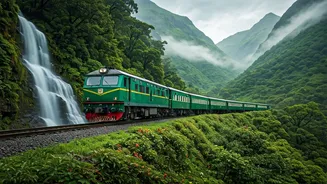
Reaching Agumbe is part of the adventure. The nearest railway stations are Udupi (55 km) and Shimoga (90 km), from where you can take local buses or taxis. The nearest airport is in Mangalore, about 100-150 km away. KSRTC runs overnight buses from Bengaluru as well. When packing for a monsoon trip, think waterproof. A sturdy raincoat, waterproof covers for your backpack and electronics, and quick-dry clothing are non-negotiable. The trails will be slippery and teeming with leeches, so a pair of trekking shoes with excellent grip and leech-proof socks are your best friends. It’s also wise to carry a basic first-aid kit, insect repellent, and some ready-to-eat snacks for your treks. While the monsoon (June-September) is when the forest is at its most dramatic, the post-monsoon period from October to February offers pleasant weather for trekking and clearer views.