







Your Pre-Trip Vehicle Health Check
Before you even think about packing, your first priority should be your vehicle. Wet roads and poor visibility demand that your car is in peak condition. Start with the tyres, your only connection to the road. Ensure they have adequate tread depth to grip
wet surfaces and reduce the risk of hydroplaning, which is when a layer of water builds between the tyres and the road surface, leading to a loss of control. Also, check that your tyre pressure, including the spare, is at the recommended level. Next, inspect your windscreen wipers. If they leave streaks or fail to clear the glass effectively, replace them. Good visibility is critical, so top up your windshield washer fluid. Finally, conduct a thorough check of all your lights: headlights, taillights, brake lights, and indicators. In heavy rain, being seen by other drivers is just as important as being able to see.
Pack a Monsoon-Ready Emergency Kit
While you hope for the best, you should always prepare for the worst. An emergency kit is non-negotiable, especially during monsoon travel. Your kit should contain items for both your personal safety and potential vehicle issues. Start with a powerful torch with extra batteries, a comprehensive first-aid kit, and high-energy, non-perishable snacks and drinking water. A portable power bank for your mobile phone is crucial for staying connected and calling for help if needed. For the car itself, include jumper cables, a tool kit, and a reflective warning triangle. It's also wise to pack a rain poncho and a few blankets to stay warm and dry in case you need to step outside or are stranded for a period. Keeping important documents and electronics in waterproof bags is another smart precaution.
On the Road: Navigating the Downpour
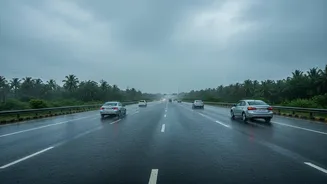
Once you're on your way, driving habits need to adapt to the weather. The single most important adjustment is to reduce your speed. Wet roads significantly increase your vehicle's braking distance. Maintain a much greater distance from the vehicle in front of you to give yourself more time to react. Using your low-beam headlights, even during the day, will increase your visibility to others. Avoid using high beams, which can reflect off the rain and impair the vision of oncoming drivers. Be extremely cautious of waterlogged roads. It can be impossible to judge the depth of standing water, which may conceal deep potholes or other hazards. Driving through deep water can also cause catastrophic damage to your car's engine. If you encounter a flooded area, it's always safest to turn around. If visibility becomes dangerously poor, don't hesitate to pull over to a safe location and wait for the rain to subside.
Stay Informed and Connected
Modern technology is a powerful tool for safe travel. Before you leave, check the latest weather forecasts and traffic advisories from reliable sources like the India Meteorological Department (IMD). Recent alerts for states like Kerala and Gujarat highlight the real risk of extremely heavy rainfall, waterlogging, and potential travel disruptions during this season. Plan your route in advance and, if possible, share it with family or friends. Avoid driving in hilly areas after dark, as the risk of landslides increases with heavy rain. Many regions prone to landslides may have travel restrictions in place for tourist safety. Finally, listen to advice from local authorities. If they have issued warnings or closed certain roads, heed their instructions. Sometimes the safest travel plan involves pulling over, enjoying a cup of tea, and waiting for the storm to pass.