


Why Swap Rice for Millets?
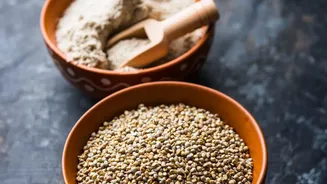
The switch from polished white rice to millets in your khichdi is a simple upgrade with significant health rewards. Millets are nutritional powerhouses, generally containing more protein, healthy fats, and crucial minerals than white rice. The most significant advantage
is their high fibre content. Millets can have dramatically more dietary fibre than rice, which aids digestion, keeps you feeling full for longer, and helps prevent overeating. Furthermore, millets possess a lower glycemic index, meaning they release sugar into the bloodstream more slowly. This helps in managing blood sugar levels, making millet khichdi a smarter choice for sustained energy without the spike and crash associated with simple carbohydrates.
Foxtail Millet: The Perfect Starter
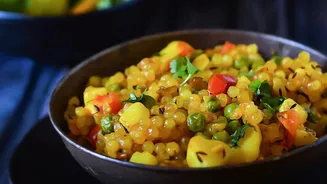
If you are new to cooking with millets, foxtail millet, known as 'kangni' or 'thinai', is the ideal starting point. Its grains are small, cook up light, and have a texture that closely mimics traditional rice, making the transition seamless for your palate. Foxtail millet is rich in dietary fibre and protein. Because it cooks relatively quickly and results in a fluffy, non-sticky khichdi, it is incredibly versatile and works well with all the usual khichdi seasonings, from a simple 'tadka' of ghee and cumin to a pot full of mixed vegetables.
Barnyard Millet: The Fast-Cooking Favourite
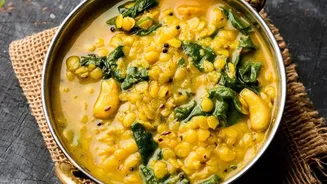
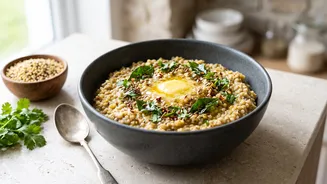
Known as 'samak' or 'sanwa', barnyard millet is famous for its use during fasting periods like Navratri. This is not just due to tradition but also its practical benefits. It is one of the fastest-cooking millets, turning soft and creamy in minutes. This variety is incredibly light on the stomach and easy to digest, making it an excellent grain for a quick, nourishing meal when you feel under the weather. Nutritionally, it is a good source of iron and highly digestible protein. Its ability to absorb flavours makes it perfect for a creamy, porridge-like khichdi.
Kodo Millet: The Nutrient-Dense Choice
Kodo millet, or 'varagu', is a champion when it comes to nutrition, particularly for those looking to boost their intake of essential minerals and antioxidants. It is exceptionally rich in fibre, B vitamins, and minerals like calcium and iron. Research suggests Kodo millet has a high antioxidant content, even more so than many other millets. It is particularly beneficial for regulating blood sugar, making it a highly recommended grain for diabetics. While it may require a slightly longer soaking time, the resulting khichdi offers a robust, earthy flavour and a powerful nutritional punch that is well worth the effort.
Tips for Perfect Millet Khichdi
Cooking millet khichdi is simple, but a few tips will ensure you get a perfect texture every time. First, always rinse your millets thoroughly. Soaking them for at least 30 minutes to an hour not only reduces cooking time but also helps in better nutrient absorption. A pressure cooker is your best friend for a quick and evenly cooked khichdi; it usually takes just two to three whistles. The water ratio is key: for a soft, porridge-like khichdi, a general rule is one part millet to four parts water, though this can vary slightly by millet type. Finally, don’t skip the 'tadka'. A final tempering of ghee, cumin seeds, and a pinch of asafoetida elevates the flavour and brings your millet khichdi to life.