


Why Drainage Is Non-Negotiable
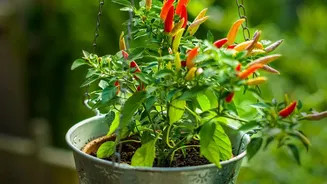
Chilli plants, including the prolific Thai varieties, absolutely despise having 'wet feet'. This means their roots cannot tolerate sitting in stagnant water. When a pot lacks drainage holes, any excess water from irrigation or rain pools at the bottom.
This waterlogged soil prevents roots from accessing oxygen, effectively suffocating them. This leads to root rot, a fungal disease that turns healthy roots into a brown, mushy mess, which can quickly kill the plant. Proper drainage allows excess water to escape freely, ensuring the soil remains moist but not saturated. It also helps flush out excess salts from fertilizers and tap water that can otherwise build up and harm your plant.
Finding the Right Pot Size
Size is a crucial factor for a thriving chilli plant. While it might be tempting to place a small seedling in a huge pot to save future effort, this can be counterproductive. A large volume of soil around a small root system can stay wet for too long, increasing the risk of rot. It is better to pot up gradually. Start seedlings in smaller 3-inch pots. Once the roots start appearing through the bottom, move them to a slightly larger container. For most Thai chilli varieties, a final pot size of 7 to 10 litres is ideal. This is roughly equivalent to a pot that is 10 to 12 inches deep and wide, providing ample space for a strong root system without holding excessive moisture.
Material Matters: Terracotta vs. Plastic
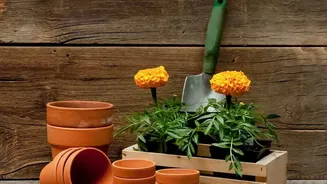
The two most common pot materials offer different advantages. Terracotta (clay) pots are porous, meaning air and moisture can pass through their walls. This provides excellent aeration for the roots and helps the soil dry out faster, which is a great defence against overwatering. However, in a hot climate, they may require more frequent watering. Plastic pots are lightweight, affordable, and retain moisture much longer. This can be a benefit for those who can't water daily, but it comes with a risk. Dark-coloured plastic pots can absorb significant heat in direct sun, potentially overheating the roots. For Indian balconies, a light-coloured plastic pot or a classic terracotta pot are both excellent choices, as long as they have drainage.
What If Your Perfect Pot Has No Holes?
Sometimes you find the perfect decorative pot, only to discover it has a solid bottom. Do not use it as is. Fortunately, adding drainage holes is a simple DIY task. For plastic or resin pots, a standard power drill with a wood drill bit will work perfectly. For ceramic, stoneware, or terracotta pots, you'll need a special masonry or diamond-tipped drill bit to avoid cracking the material. Always start with a small bit and drill slowly and gently, without applying too much pressure. If you don't have a drill, some guides suggest carefully chiseling a hole, but this carries a higher risk of breaking the pot. Drilling one or more half-inch holes in the bottom will make the pot suitable for your chillies.
Beyond the Hole: A Complete System
Drainage isn't just about the hole; it's a complete system. Start with a well-draining potting mix. A good quality mix designed for vegetables, often containing perlite or sand, will prevent compaction. While some gardeners add a layer of rocks to the bottom, many experts now advise against this, as it can create a perched water table where water collects just above the rocks, still within the root zone. The best approach is to use a quality potting mix throughout and ensure the drainage holes are clear. Finally, if you place your pot on a saucer, be sure to empty any collected water within an hour of watering. Letting the pot sit in a tray full of water completely defeats the purpose of having drainage holes.