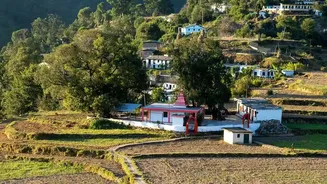








Discovering the Ziro Paradise
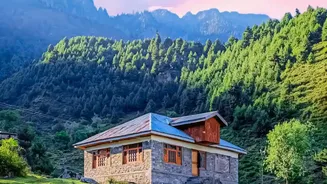
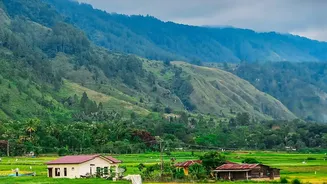
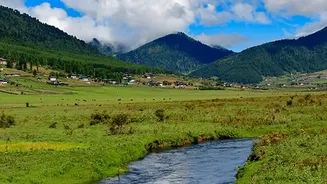
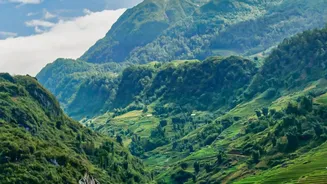
Tucked away in the mountains of Arunachal Pradesh, Ziro Valley is a world away from the commercialised hill stations many are used to. This lush, pine-clad valley, home to the Apatani community, is so culturally unique that it's on the tentative list
for UNESCO World Heritage Site status. Unlike many destinations that have bent to the pressures of tourism, Ziro has retained its serene charm. It offers sprawling rice fields, misty mornings, and a quiet that’s increasingly rare. It’s this blend of breathtaking nature and preserved culture that is drawing younger crowds, who are looking for travel experiences that feel more meaningful and less transactional.
The Heart of the Experience: Eco-Friendly Homestays
The real magic of a Ziro trip lies in its homestays. Often run by local families, these aren't just accommodations; they are immersive cultural experiences. Many are built with traditional materials like bamboo, blending seamlessly into the landscape. The term 'eco-friendly' here is not a gimmick. It’s a way of life. Homestays often practice rainwater harvesting, use solar power, and serve food grown in their own organic gardens. Guests get to taste authentic Apatani dishes, learn about local customs firsthand, and understand the community's deep connection to the land. This model of tourism ensures that revenue directly supports local families, empowering the community, especially women, and providing a sustainable alternative to government jobs.
Lessons in Sustainability from the Apatani
The eco-conscious ethos of Ziro is rooted in the centuries-old practices of the Apatani people. They are renowned for their highly efficient and sustainable form of agriculture, particularly their integrated paddy-cum-fish cultivation. This ingenious system, which has been practised for generations, involves raising fish in the same terraced fields where rice is grown. The fields are irrigated by a complex network of canals and channels that use gravity to manage water flow from mountain streams, all without modern machinery. This symbiotic relationship enhances soil fertility, provides a dual source of food, and is a perfect example of living in harmony with nature—a lesson many travellers are eager to witness.
The Key to Entry: Demystifying the Inner Line Permit
To visit this protected region, Indian citizens from outside the state need an Inner Line Permit (ILP). This isn't a hurdle but a system designed to regulate entry and preserve the unique culture and fragile environment of Arunachal Pradesh. Getting one is a straightforward process. Travellers can apply online through the official Arunachal Pradesh e-ILP portal. You'll need to register, fill out a form with your travel details, and upload a photo ID and a recent photograph. The fee is minimal, and approval is often granted within a few days. While a digital copy is usually accepted, it's wise to carry a printout. This simple administrative step is a small price to pay for access to one of India’s most pristine landscapes.
More Than Just a Valley
While the homestays and paddy fields are central to the Ziro experience, the valley offers much more. It's famous for the Ziro Festival of Music, an outdoor event that attracts artists and fans from across the country every September. Beyond the festival, there are ample opportunities for trekking through the Talle Valley Wildlife Sanctuary, cycling through villages, and simply taking quiet walks through the pine forests. Each experience reinforces the area's ethos of slow, mindful travel, where the journey is as important as the destination.