



The New Guideline Shaking the Fitness World
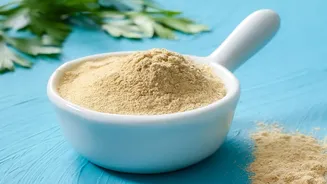
In a comprehensive set of dietary guidelines, the ICMR and its National Institute of Nutrition (NIN) have taken a clear stance against the routine use of protein supplements for building muscle mass. The advice stems from a growing concern that many people,
especially younger adults, are consuming these supplements excessively, often without understanding the potential downsides. The guidelines suggest that for the vast majority of Indians, daily protein needs can and should be met through a balanced diet. This recommendation comes at a time when the supplement market is booming, fueled by aggressive marketing and the desire for quick fitness results.
How Much Protein Do You Actually Need?
One of the core issues is a widespread misunderstanding of protein requirements. The ICMR recommends that a healthy, sedentary adult needs about 0.83 grams of protein per kilogram of body weight each day. For a 65kg individual, this translates to roughly 54 grams of protein daily. Even for those who are moderately active, this need doesn't skyrocket to the levels often promoted by supplement brands. The guidelines note that protein intake above 1.6 grams per kilogram of body weight per day does not lead to significant additional muscle gain from exercise. Most people are surprised to learn how achievable their protein target is through regular food alone.
The Hidden Risks of Too Much Powder
The ICMR's caution is not without reason. Prolonged intake of high-protein concentrates is associated with several health risks. One major concern is kidney strain; the kidneys have to work harder to filter the by-products of protein metabolism, which can be dangerous over time, particularly for those with underlying kidney issues. Another risk is potential bone mineral loss, as some high-protein diets can cause the body to excrete more calcium. Furthermore, many supplements contain added sugars, artificial sweeteners, and other additives that detract from their health benefits. Studies have also raised concerns about mislabeled products, with some containing less protein than advertised or even harmful toxins.
Your Plate, Your Protein: Food-First Sources
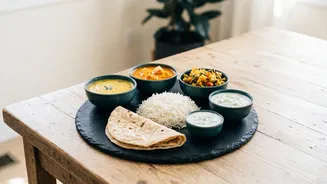
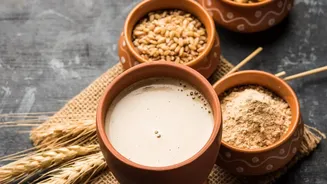
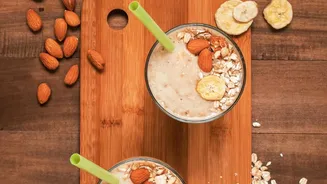
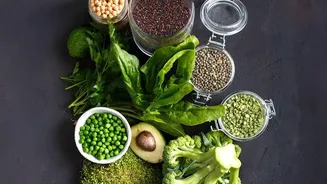
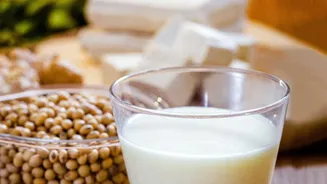
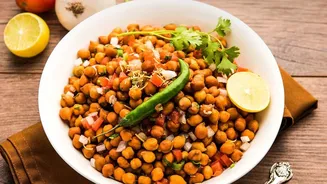
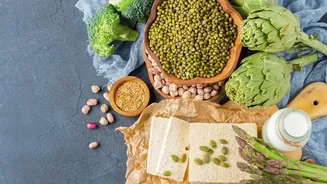
So, what does a 'balanced protein source' look like in an Indian diet? The good news is that it’s already on your plate. The ICMR emphasizes getting protein from whole foods because they provide a complete package of nutrients, including vitamins, minerals, and fiber, which supplements lack. Excellent vegetarian sources include dals, legumes like chickpeas (chana) and kidney beans (rajma), paneer, curd, tofu, nuts, and seeds. For non-vegetarians, eggs, lean chicken, and fish are fantastic options. The guidelines specifically mention that a simple combination of cereals and pulses in a 3:1 ratio significantly improves protein quality, making it easy for vegetarians to meet their needs.
When Are Supplements Actually Necessary?
The ICMR’s advice is not a complete ban but a call for moderation and a food-first approach. There are specific situations where supplements might be warranted, such as cases of severe malnutrition or for elite athletes with extremely high energy expenditures. However, these should always be used under the guidance of a qualified doctor or clinical nutritionist who can assess an individual's specific needs. For the average person looking to stay fit and healthy, relying on a tub of powder is not the solution. The focus should be on building a sustainable, healthy eating pattern rich in diverse, natural foods.