

Beyond Poses: What Is Mindful Movement?
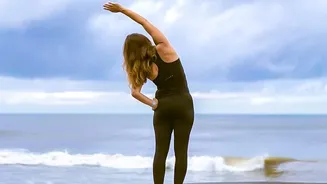
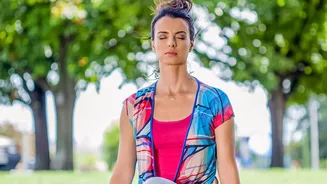
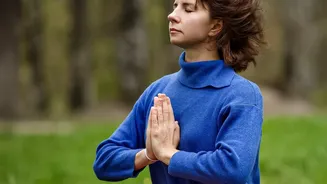
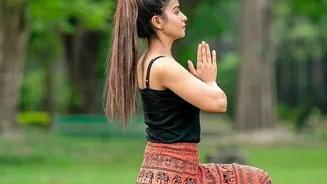
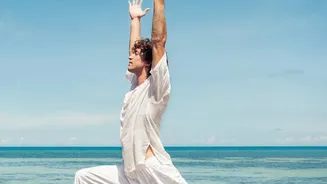
When you hear 'yoga,' you might picture complex physical postures. While asanas (poses) are part of it, the real magic for anxiety lies in 'mindful movement.' This means paying full attention to your body and breath as you move. It’s the practice of being
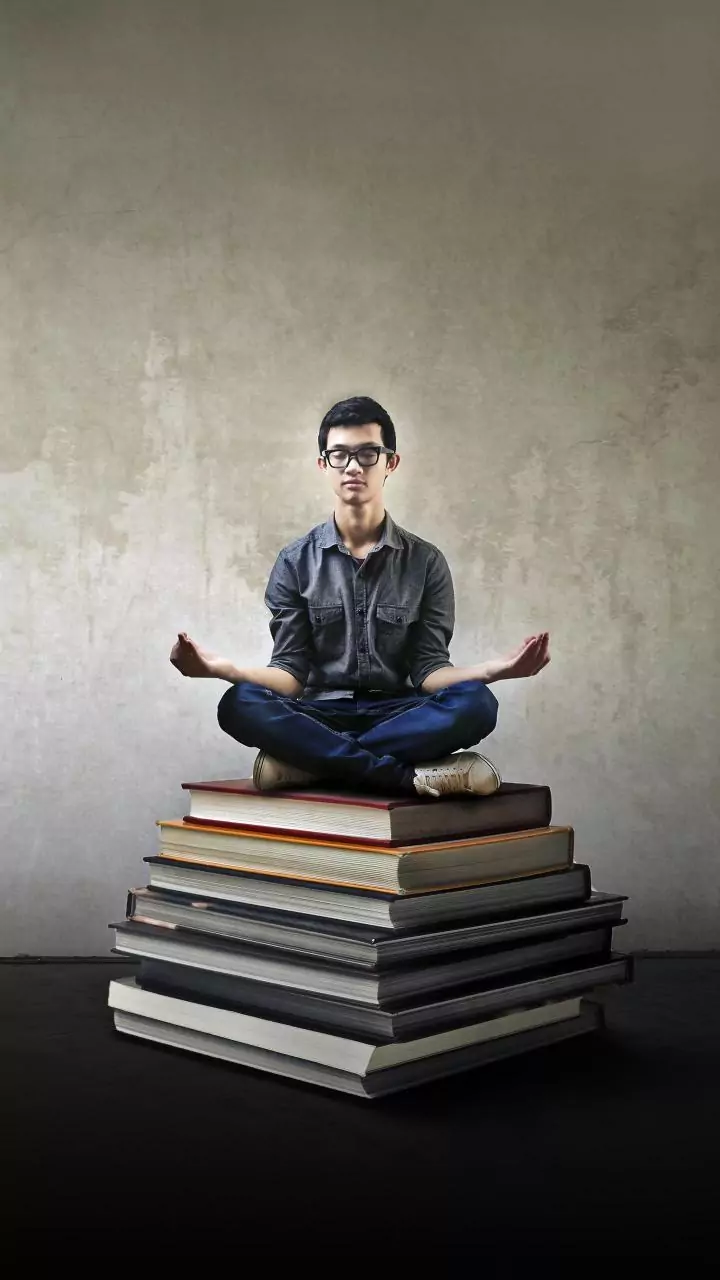
present, observing sensations without judgment, and linking your breath to each action. Instead of just trying to achieve a pose, you focus on the journey of getting there. This intentional awareness is a powerful tool that shifts your focus from external stressors (like an upcoming exam) to your internal state, creating a pocket of calm in a chaotic schedule.
The Science of Calm: How Yoga Rewires Your Brain
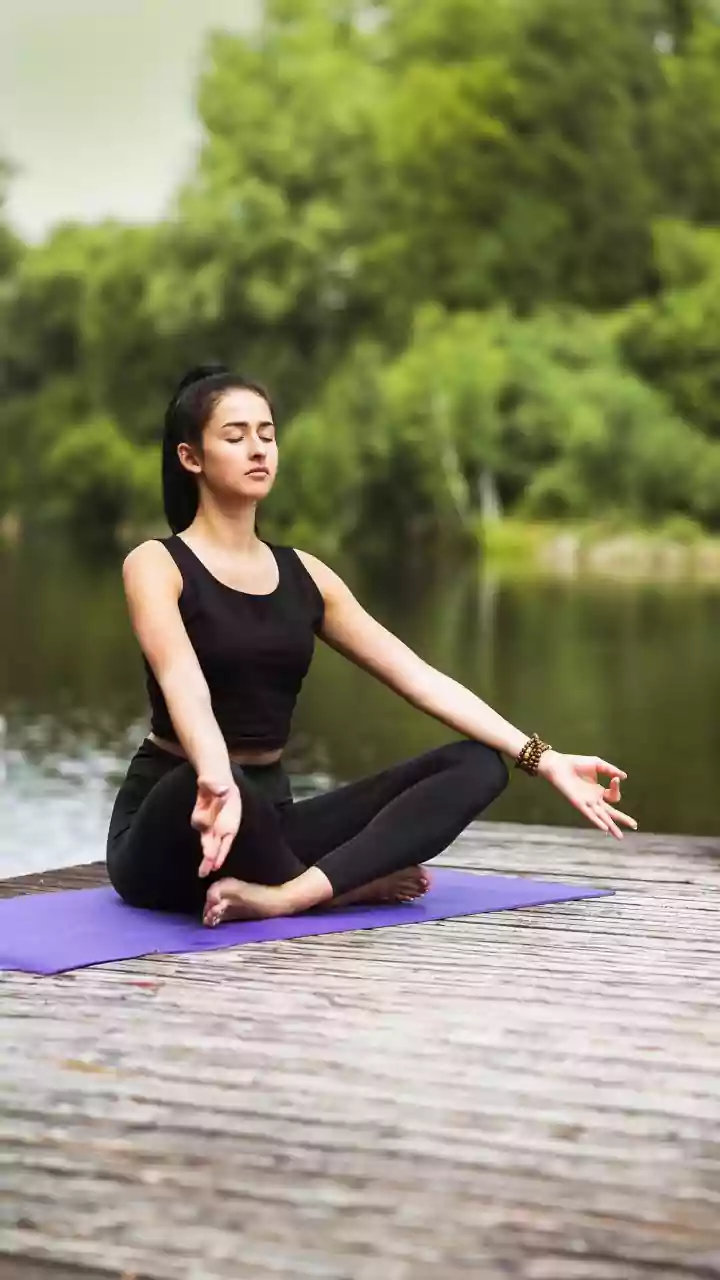
The link between yoga and stress relief isn't just a feeling; it's backed by science. When you're stressed, your body's 'fight-or-flight' response (the sympathetic nervous system) is on high alert, releasing cortisol, the primary stress hormone. Yoga, particularly the combination of slow movement and controlled breathing (pranayama), activates the 'rest-and-digest' response (the parasympathetic nervous system). This process helps lower cortisol levels, reduces heart rate, and can even alter brain activity. Studies show that regular yoga practice can decrease activity in the amygdala, the brain's fear center, making you less reactive to stress. It also boosts neurotransmitters like GABA, which helps regulate anxiety.
Simple Poses for a Clearer Mind
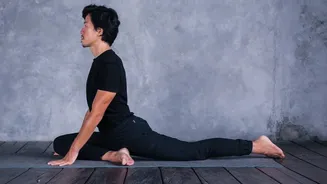
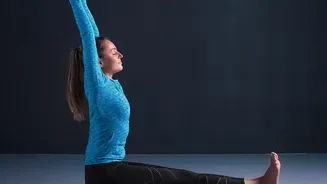
You don't need to be a seasoned yogi to reap the benefits. A few simple poses, practiced for even 10-15 minutes, can make a significant difference. Start with these:1. Child's Pose (Balasana): This gentle resting pose calms the nervous system and relieves tension in the back and shoulders. Kneel on the floor, sit back on your heels, and fold forward, resting your forehead on the mat. 2. Tree Pose (Vrikshasana): Balancing poses are excellent for improving concentration. By fixing your gaze on a single, non-moving point (a 'drishti'), you train your mind to focus, a skill that's directly transferable to your studies.3. Seated Forward Bend (Paschimottanasana): This pose provides a deep stretch for the spine and hamstrings, but its primary benefit here is calming the brain and relieving stress.4. Legs-Up-The-Wall Pose (Viparita Karani): An incredibly restorative pose that helps soothe the nervous system and improve circulation without much effort. Simply lie on your back and rest your legs vertically against a wall.
Breathe Your Way to Better Focus
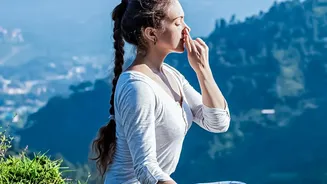
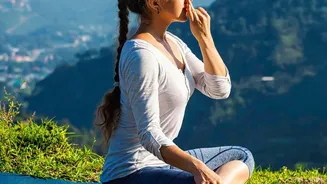
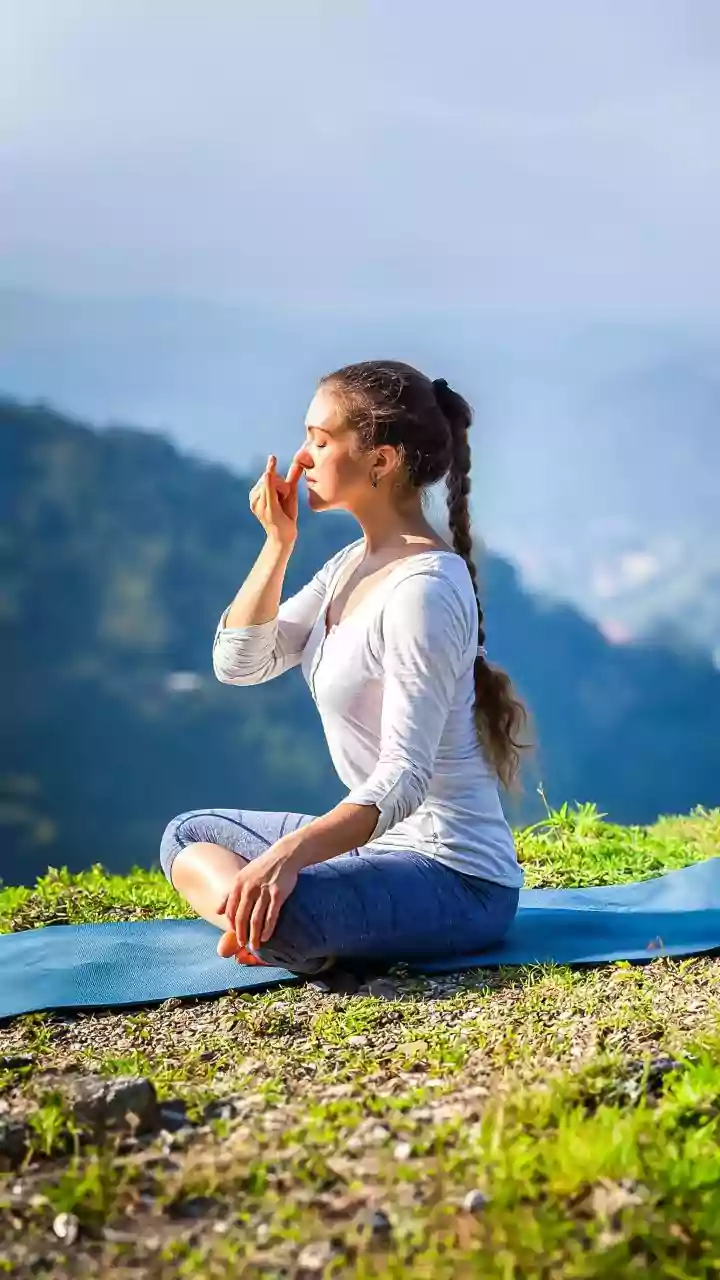
Your breath is the most powerful and accessible tool for managing anxiety. In yoga, this is called pranayama. When you feel overwhelmed, try this simple technique: Alternate Nostril Breathing (Nadi Shodhana). Sit comfortably. Use your right thumb to close your right nostril and inhale slowly through your left nostril. Then, close your left nostril with your ring finger, release your thumb, and exhale slowly through the right nostril. Inhale through the right, close it, and then exhale through the left. This completes one round. Practicing 5-10 rounds can balance the brain's hemispheres and induce a state of calm clarity, making it a perfect pre-study or pre-exam ritual. Another simple yet effective technique is Box Breathing (Sama Vritti), where you inhale for a count of four, hold for four, exhale for four, and hold for four.