


The End of the ‘Furniture Set’ Era
There was a time when furnishing a home felt like buying a uniform. You would select a sofa, and the matching armchairs, coffee table, and side tables would follow. This approach offered a sense of order and was seen as a shortcut to a 'proper' home.
It was safe, predictable, and signified a certain status. However, this method often resulted in spaces that felt impersonal and generic, more like a furniture catalogue than a reflection of the people living there. Today, designers and homeowners are consciously moving away from this rigid model, questioning whether a room where everything matches perfectly has any personality at all.
A New Definition of Cohesion
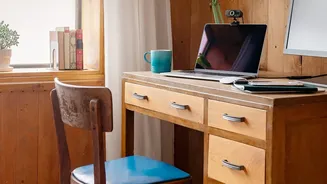
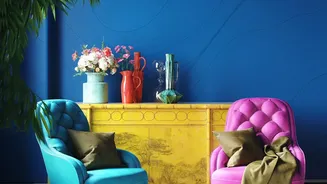
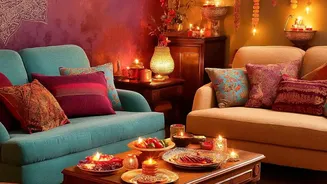
Breaking up with matching sets doesn't mean embracing chaos. The new approach to creating a cohesive home is more nuanced. Instead of relying on identical pieces, the goal is to create harmony through a common thread. This thread can be a unifying colour palette, where accent colours from a piece of art are repeated in cushions, rugs, or accessories across the room. It can be the repetition of materials, like the warm tones of wood or the cool gleam of brass appearing in different forms. Or it can be a consistent mood or feeling. The aim is for items to feel like they belong together and are in conversation with one another, even if they come from different styles or eras.
Your Home, Your Story
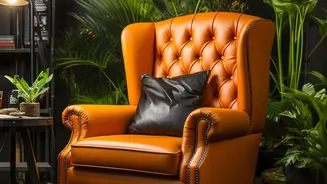
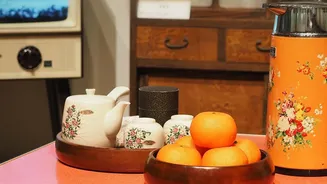
The shift towards eclectic interiors reflects a deeper cultural change. A home is increasingly seen as a canvas for personal storytelling. This is where the Indian context truly shines. Many homes are a natural blend of generations—a grandmother’s antique chest, parents’ solid wood furniture, and a new, contemporary sofa. Instead of hiding these inherited pieces, the modern approach is to celebrate them. Pairing a vintage armchair with a modern sofa or placing a traditional urli on a sleek glass console table tells a story of family, heritage, and personal journey. This 'collected' look makes a home feel authentic and lived-in, not assembled in a single shopping trip.
The Rise of the 'Indian Modern' Aesthetic
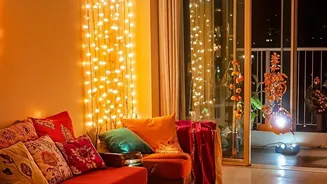
This design philosophy has given rise to what many call an 'Indian Modern' style. It blends the clean lines and functionality of contemporary design with the richness of Indian craftsmanship and heritage. Think minimalist furniture accented with vibrant handwoven textiles like Ikat or Kantha. Or a neutral-toned room brought to life with a single, stunning Madhubani or Warli art piece. This fusion allows for a space that feels both globally relevant and deeply rooted in Indian culture. It’s about taking inspiration from global trends like minimalism but infusing them with the warmth, colour, and craftsmanship that feel distinctly Indian.
How to Master the Mix
Creating a beautifully mixed interior requires a thoughtful eye. A good starting point is the 80/20 rule: let 80% of your room follow one dominant style, and use the remaining 20% for contrasting accent pieces. Pay attention to scale and proportion; a massive antique cabinet might overwhelm a small modern apartment, while a tiny lamp will get lost beside a large sofa. Finally, find a unifying element to tie everything together. Whether it’s a colour pulled from a rug, a repeating pattern, or a consistent wood finish, this common thread will ensure your space looks intentionally curated, not accidentally cluttered.