







A Renewed Push for Road Safety
Across India's expanding network of national highways and expressways, authorities are strengthening their focus on road safety. While no single new “plan” combines checks for lighting, washrooms, and merging, these three areas are central to a broader
push to reduce accidents and improve the driver experience. This initiative is happening in parallel with proposals to tighten enforcement, such as linking unpaid traffic e-challans to vehicle registration and licence services. For the everyday driver and professional trucker, this means that proactive compliance isn't just about avoiding a fine—it's about contributing to a safer road environment for everyone. Understanding the specifics of what officials are looking for can help ensure your journey is smooth and free of interruptions.
Lighting: See and Be Seen Correctly
One of the most common reasons for being pulled over is improper vehicle lighting. Enforcement focuses not just on whether your lights work, but how they are used. According to the Central Motor Vehicles Rules, using high beams in well-lit urban areas or when there is oncoming traffic is a violation, as the glare can blind other drivers. Officials are also cracking down on illegal modifications. This includes unauthorized high-intensity LED bars, flashing coloured lights that mimic emergency services, and decorative strips that can be distracting. Fines for a first offence can be around ₹500, increasing for subsequent violations. To stay compliant, ensure all your factory-fitted lights—headlamps, tail lights, and indicators—are functional. Use high beams only on poorly lit highways when no one is approaching, and get your lights checked during regular servicing.
Washrooms: A Focus on Driver Welfare
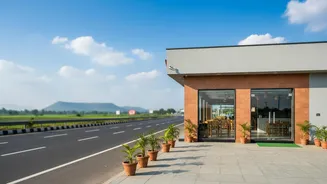
The mention of "washrooms" in roadside checks might sound unusual, but it points to a significant and positive development in highway infrastructure. Rather than a punitive check on drivers, this reflects the National Highways Authority of India's (NHAI) focus on driver welfare. The NHAI is aggressively developing a network of over 700 Wayside Amenities (WSAs) across the country, planned for every 40-60 kilometres on major routes. These integrated centres provide clean and accessible toilets, food courts, secure parking, and even dormitories for truckers to rest. The goal is to combat driver fatigue, a leading cause of accidents. By providing these facilities, authorities are ensuring drivers have the means to take mandatory breaks. Recent directives have even pushed for these WSAs to prioritize the setup of vehicle repair and puncture shops, providing a complete support system for commuters.
Safe Rejoining: The Rules of Merging
Pulling over at a rest stop or on the highway shoulder is one thing; rejoining the flow of traffic is another. Improper merging is a critical safety issue and a frequent cause of severe accidents on high-speed corridors. The fundamental rule is simple: traffic already on the highway has the right of way. Before merging back into a lane, drivers must yield and wait for a safe and adequate gap in the traffic. Attempting to force your way into a narrow space can cause vehicles behind you to brake suddenly, leading to a chain reaction. When rejoining from a stop, use your indicator well in advance, accelerate on the shoulder or entry ramp to match the speed of the traffic as closely as possible, and check your mirrors and blind spots thoroughly before smoothly moving into the lane.
Your Pre-Trip Compliance Checklist
Being prepared before you even turn the key can save you time and stress on the road. A simple pre-trip inspection ensures you are compliant and safe. First, do a quick visual check of all your lights—headlights (both low and high beam), tail lights, brake lights, and all four indicators. Second, ensure your documentation is in order and easily accessible, including your driving licence, vehicle registration, insurance, and a valid Pollution Under Control (PUC) certificate. Third, check your tyres for proper inflation and visible tread wear. Finally, if you are on a long journey, roughly plan your breaks around designated rest areas or the new Wayside Amenities to avoid fatigue. This proactive approach is the best way to prepare for any potential roadside stop and, more importantly, to ensure a safe trip.