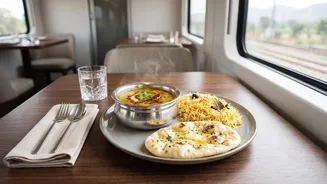






A New Era for Railway Meals
Indian Railways is embarking on a major initiative to solve a long-standing problem: the often-unpredictable quality of food served to millions of passengers. After years of complaints ranging from unhygienic preparation to poor taste and unauthorised
vendors, a comprehensive overhaul is underway. The core of this new strategy is a partnership between the Indian Railway Catering and Tourism Corporation (IRCTC) and the Quality Council of India (QCI), an independent body tasked with ensuring standards. This collaboration, formalized in October 2026, aims to introduce a transparent, third-party audit system that holds catering contractors strictly accountable for the meals they serve on trains and at stations. The goal is to move away from internal checks alone and build a system where passenger trust is restored through rigorous, independent verification.
What’s Changing on Board and at Stations?
The partnership with QCI introduces several layers of scrutiny. Certified professionals will conduct intense, unannounced audits of base kitchens, static food stalls, and pantry cars across the network. These inspections are designed to enforce strict compliance with Food Safety and Standards Authority of India (FSSAI) regulations. A key element of this new system is the use of technology to ensure transparency. Auditors will use a mobile application to record their findings, complete with mandatory geo-tagging, time-stamps, and photographic evidence. This digital-first approach is designed to eliminate data tampering and ensure that audit reports, which must be submitted within 24 hours, provide a true picture of the conditions on the ground. This allows railway authorities to identify shortcomings quickly and track corrective actions against vendors who violate standards.
Accountability with Real Consequences
The new measures are backed by significant penalties. Caterers found to be in violation of hygiene or food safety standards face hefty fines, suspension of their operations, or even permanent termination of their contracts. Indian Railways has already been taking a harder line, imposing penalties totalling Rs 5.13 crore and terminating six contracts in the last three years based on passenger complaints. In one recent instance, a fine of Rs 1 lakh was imposed on a catering firm following a single passenger complaint. The names of debarred licensees are also being published on the IRCTC website to increase transparency and accountability. This tougher stance sends a clear message to all catering partners: quality and hygiene are no longer negotiable.
Technology and Transparency for Passengers
Beyond audits, technology is being deployed to empower passengers. CCTV cameras have been installed in base kitchens for real-time monitoring of food preparation. Furthermore, Indian Railways has introduced QR codes on food packets. Scanning these codes provides passengers with crucial details like the name and location of the kitchen where the food was prepared and the date of packaging, adding a layer of transparency to every meal served. The popular e-catering service, which allows passengers to order from a wide variety of restaurants including major aggregators, also remains operational but is subject to the same stringent quality checks. For lodging complaints, passengers can continue to use the RailMadad mobile application or the dedicated complaint hotline, with officials now tracking these reports more closely for faster resolution.