






A Room with a View
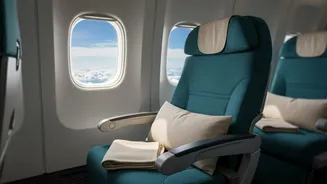
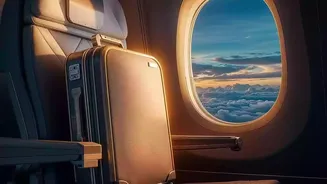
The most obvious benefit of the window seat is, of course, the view. For many, this is the entire point. It’s a front-row ticket to a breathtaking show that unfolds from taxi to touchdown. Whether it’s the geometric patchwork of farmland, the serpentine
paths of rivers, or the twinkling expanse of a city at night, the view from 35,000 feet offers a unique perspective on the world. This visual feast isn’t just for aesthetics; it provides a sense of wonder and escapism, turning a mundane journey into an experience. For many travellers, the ability to watch the world shrink during ascent and grow on approach is a fundamental part of the magic of flight.
The Ultimate Uninterrupted Cocoon
Beyond the view lies a more practical advantage: privacy and minimal disturbance. In a window seat, you are nestled against the fuselage, creating a personal bubble shielded from the hustle and bustle of the cabin. You won’t be bumped by service carts or fellow passengers making their way to the lavatory. This makes the window seat an ideal space for those looking to rest, work, or simply retreat into their own world. Business travellers, in particular, often favour the window on long-haul routes, as it provides a stable, quiet environment for uninterrupted sleep or focused work, secure from the prying eyes of “shoulder surfers.”
The Psychology of Control
Choosing the window seat is also an exercise in control. You are the master of the window shade, deciding how much light enters your space. Want to watch the sunrise? Open it up. Need darkness to sleep or reduce glare on your screen? The power is in your hands. This small element of control can make a significant difference in a travel environment where so much is out of your hands. Some behavioural psychologists suggest that those who prefer window seats like to be in control and enjoy nesting in their own private bubble. You have a solid wall to lean against for support, creating a defined personal space that is yours alone for the duration of the flight.
A Healthier Way to Fly?
While an aisle seat offers the freedom to move, it also comes with more exposure to foot traffic. The window seat, by contrast, offers a degree of separation. You can rest your head against a surface that hasn't been touched by countless passersby. This makes it easier to sleep comfortably, especially on long flights where rest is a priority. For those who can sleep on planes, the solid wall of the fuselage provides a stable headrest that the aisle seat simply cannot match. By reducing interruptions from your fellow passengers, you also increase your chances of getting quality rest, arriving at your destination less fatigued.
Redefining the Upgrade
In an era of unbundled fares and endless ancillary fees, the idea of a free upgrade is almost mythical. Yet, that’s precisely what the window seat represents. It’s an enhancement to the travel experience that doesn’t cost extra—it only requires a savvy choice during booking. Recent surveys show that a significant majority of travellers, often over 60%, prefer the window seat. This isn’t just a slight preference; it’s a clear demand for a better experience. It transforms the flight from simple transportation into a part of the adventure itself, offering views, privacy, and control. It’s about choosing to value the journey, not just the destination.