






Is 'Hair Fall Season' Actually Real?
Yes, seasonal hair shedding is a recognised occurrence. While losing 50 to 100 hairs daily is considered normal, you might notice an uptick during certain times of the year, particularly in late summer and autumn, with a smaller shed sometimes happening
in the spring. Experts theorise this is linked to our hair's natural growth cycle, which consists of a growth phase (anagen), a transition phase (catagen), and a resting phase (telogen). During seasonal shifts, a larger number of hairs can enter the telogen phase simultaneously, leading to a noticeable increase in shedding a few weeks later. Factors like changes in daylight, temperature, hormonal fluctuations, and even seasonal stress can trigger this temporary process, known as telogen effluvium.
Your Scalp Is the Foundation for Healthy Hair
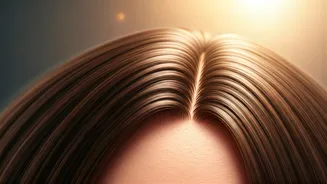
Think of your scalp as the soil from which your hair grows. A healthy, balanced scalp environment is crucial for strong follicles and vibrant hair. When the scalp is clogged with product buildup, excess oil, or dead skin cells, it can lead to inflammation and restrict blood flow and nutrients to the hair follicles. This can weaken the hair at the root, making it more prone to breakage and shedding. Dryness, often exacerbated by cold winter air or indoor heating, can also lead to a compromised scalp barrier, irritation, and weaker hair strands. By focusing on gentle scalp care, you create the optimal conditions for hair to not only survive seasonal sheds but to thrive year-round.
Gentle Cleansing Is Your First Step
How you wash your hair is just as important as how often. Opt for lukewarm water instead of hot, as high temperatures can strip the scalp of its natural oils and open up the hair cuticle, making it more vulnerable. Choose a mild, preferably sulfate-free, shampoo to avoid irritating and drying out your scalp. When you wash, focus the shampoo on the scalp itself, using your fingertips (not your nails) to gently massage the product in. This action helps to remove buildup without being abrasive. A thorough rinse is also essential to prevent leftover product from clogging follicles. Unless you have a very oily scalp, washing two to three times a week is generally sufficient.
Incorporate a Soothing Scalp Massage
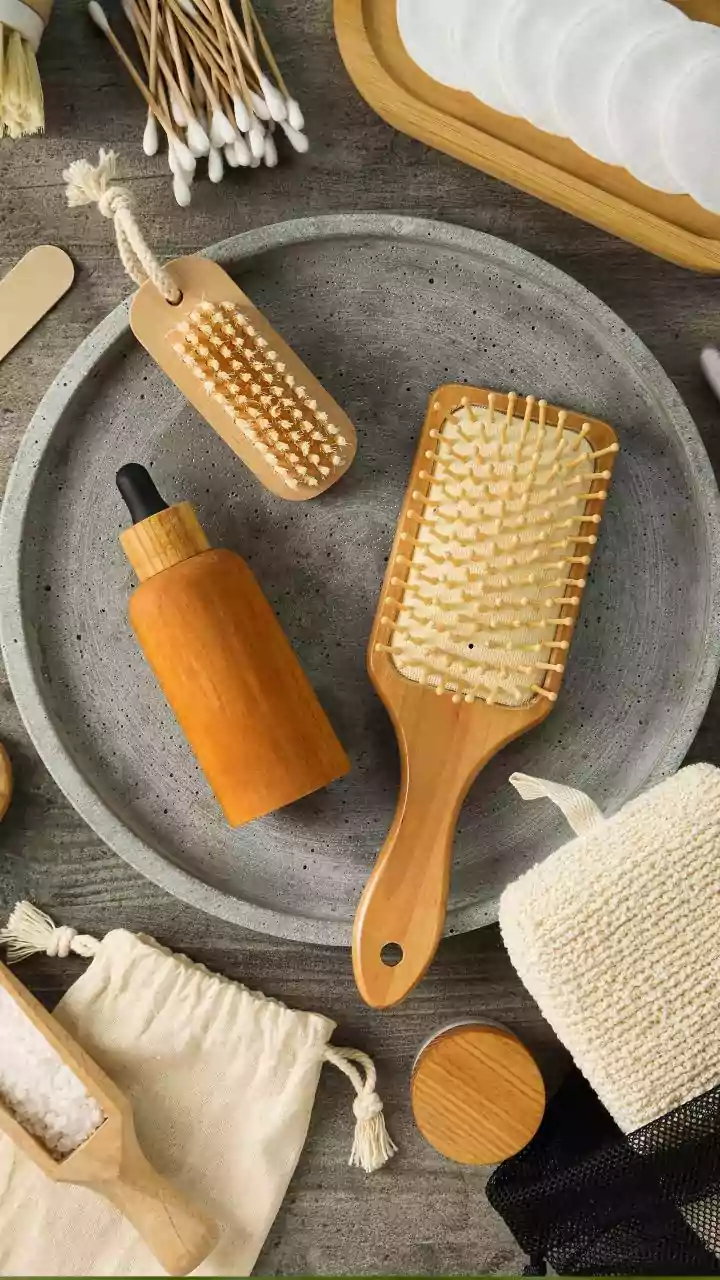
A regular scalp massage is one of the most beneficial practices for hair health. Massaging the scalp for just a few minutes each day can increase blood circulation, which delivers more oxygen and essential nutrients to the hair follicles. Studies have shown this can lead to thicker hair over time. You can perform a massage on a dry scalp or incorporate it into your washing routine. Using the pads of your fingers, apply gentle to medium pressure and work in small, circular motions across your entire head. This not only stimulates the follicles but also helps to loosen dead skin cells and can be a great way to relieve stress, another contributor to hair fall.
Choose Scalp-Nourishing Ingredients
When selecting hair products, look for ingredients that specifically benefit scalp health. For gentle exfoliation and to manage buildup, ingredients like salicylic acid can be effective at clearing out clogged follicles. For hydration and soothing, look for aloe vera, glycerin, and niacinamide. Natural oils and extracts like tea tree oil, known for its antimicrobial properties, and rosemary oil, which has been shown to improve circulation, can also be beneficial. Antioxidants are another great addition to protect follicles from environmental damage. At the same time, try to avoid harsh treatments, tight hairstyles that pull on the roots, and excessive heat styling, all of which can contribute to breakage and hair loss.
Nourish From the Inside Out
While topical care is important, what you consume also plays a significant role in hair health. A balanced diet rich in vitamins and minerals is essential for strong hair growth. Deficiencies in nutrients like iron, biotin, and especially Vitamin D have been linked to increased hair shedding. Ensuring your diet includes enough protein is also crucial, as hair is made almost entirely of a protein called keratin. Staying hydrated by drinking plenty of water supports overall health, including that of your scalp and hair follicles.