
An Emerald Transformation
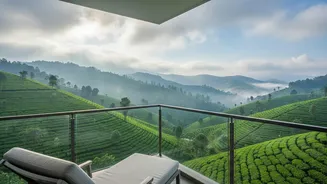
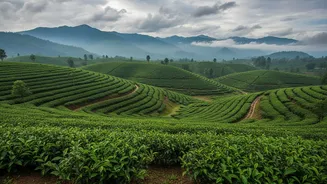
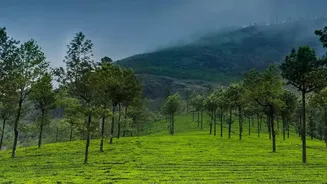
When the monsoon arrives in Goa, usually from June to September, it washes the landscape clean, leaving behind a world saturated in green. The dusty reds of the soil are replaced by vibrant paddy fields, and the hills of the Western Ghats, a UNESCO World
Heritage Site, shroud themselves in mist. This transformation is at the heart of the monsoon's appeal. For travellers weary of crowded tourist spots, this season offers a chance to see Goa's natural beauty at its most dramatic and untamed. The air is cool and fresh, a welcome respite from the intense heat of the preceding summer months. It's a time when driving through the state's winding roads becomes an experience in itself, with canopies of rain-washed trees forming natural tunnels and the scent of wet earth filling the air.
Adventures Beyond the Beach
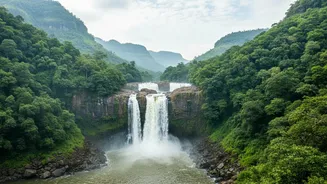
While swimming in the rough seas is off-limits and most beach shacks are closed, the monsoon opens up a different set of adventures. The state's waterfalls, often a trickle in the dry season, become thunderous spectacles. Dudhsagar Falls, one of India's tallest, is a prime attraction, creating a mesmerising 'sea of milk' effect as it cascades down the mountainside. Treks and hikes through wildlife sanctuaries like Bhagwan Mahavir offer muddy trails, encounters with diverse flora and fauna, and the thrill of crossing swollen streams. Activities such as white-water rafting on the Mhadei River, kayaking in the backwaters, and cycling on quiet island roads on Chorao and Divar provide an adrenaline rush against a serene backdrop.
A Quieter, Cultural Heartbeat
With fewer tourists, the monsoon season provides a rare opportunity to connect with Goa's authentic culture at a slower pace. Heritage walks through Panjim's Latin Quarter, Fontainhas, are particularly atmospheric in the rain, as the colours of the Portuguese-era houses deepen and the narrow lanes glisten. It’s an ideal time to explore indoor attractions like the Museum of Goa or the historic churches of Old Goa without the usual crowds. The season is also dotted with local festivals, such as the Bonderam festival in August, offering a glimpse into the state's rich traditions. Foodies can indulge in culinary trails, savouring seasonal Goan delicacies in cosy, less-crowded restaurants.
The Practical Perks of the Off-Season
Beyond the aesthetic and experiential appeal, visiting Goa during the monsoon makes practical sense for many. Travellers are increasingly seeking out this period, a trend reflected in rising flight and hotel searches. This is the off-season, which means significantly lower prices for flights and accommodation, with luxury resorts and boutique stays often available at a fraction of their peak-season rates. According to Goa's Tourism Minister, Rohan A. Khaunte, successful campaigns have helped transform the monsoon into a popular period for tourism, with family visitors on the rise. The absence of large crowds translates to a more peaceful and personal holiday, where you can explore at your own pace without queues or traffic jams.