



Securing Your Mandatory Entry Permit
First and foremost, every traveller who is not a native of the islands must obtain an entry permit to visit Lakshadweep. This rule applies to all Indian tourists. Thankfully, the process has been streamlined. Recent updates have removed the need for a local
sponsor and a Police Clearance Certificate (PCC) for tourist applications, making it much simpler. You can apply for the permit online through the official ePermit portal. To complete the application, you will need a few key documents: a valid photo ID like an Aadhaar card, a recent passport-sized photograph, and confirmed details of your travel, including accommodation and the specific islands you plan to visit. It is crucial to have your hotel or package booked before applying, as these details are required. The permit is processed by the Lakshadweep Administration and is essential for entry.
The Online Permit Application Process
The entire process is handled through the official ePermit portal (epermit.utl.gov.in). You will need to create an account, fill out the application form with your personal details and travel itinerary, and upload scanned copies of your documents. Once submitted, you can track the status of your application. The permit is typically approved and sent to your email closer to your travel date. Remember that your permit is tied to your itinerary; visiting islands not mentioned in your application is not allowed. While you can apply independently, many tour operators and resorts offer to handle the permit process for you, which can be a convenient, hassle-free option.
Diving In: Certification Requirements
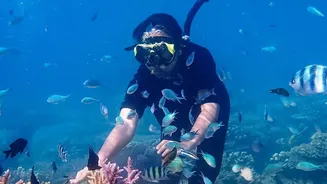
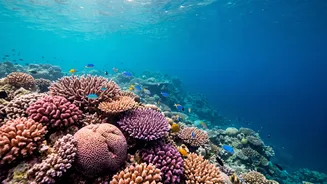
Lakshadweep is a world-class diving destination, but you can't just jump in. To explore the deeper reefs, you'll need a scuba diving certification. The most globally recognized certification is from the Professional Association of Diving Instructors (PADI). The standard entry-level certification is the PADI Open Water Diver course, which qualifies you to dive to a depth of 18 meters (60 feet). This course involves three main components: knowledge development (theory), confined water dives (practicing skills in a pool or shallow lagoon), and four open water dives in the sea. If you're not certified, you have two options: get certified at a local dive shop before your trip or sign up for a course in Lakshadweep. The islands have several PADI-certified dive centres, especially on islands like Agatti, Kavaratti and Kadmat, offering everything from beginner courses to advanced certifications. For those short on time, a 'Discover Scuba Diving' experience allows you to try diving under strict instructor supervision without getting certified.
Choosing Your Eco-Resort Stay
Accommodation in Lakshadweep is unique, with a strong emphasis on preserving the fragile ecosystem. Options range from government-run resorts to a growing number of private eco-resorts. The Society for Promotion of Nature Tourism and Sports (SPORTS) is a key government body that operates tourist packages and resorts on islands like Kadmat, Kavaratti, and Minicoy. These packages, such as the Samudram cruise, often bundle accommodation, transport, and permits together. For a more luxurious experience, private players now offer beautiful eco-friendly stays. You can find glamping tents and beachfront cottages on islands like Bangaram and Thinnakara that focus on low-impact, sustainable luxury. These resorts offer serene environments with direct access to lagoons for snorkelling and kayaking. It's essential to book your stay well in advance, especially during peak season, as availability is limited and your booking confirmation is mandatory for the entry permit.