
The Abundance and the Aftermath
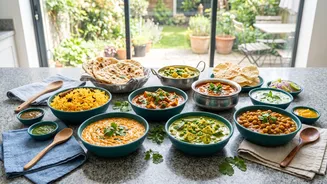
From Diwali to Eid and Christmas, Indian festivals are synonymous with generosity and abundance, especially when it comes to food. It’s a time for families to cook elaborate feasts, sharing their joy with neighbours and friends. However, this beautiful
tradition has a less celebrated side: a dramatic spike in food waste. Studies and reports highlight a significant increase in household waste during festival seasons, as people tend to over-buy ingredients and over-prepare for gatherings. According to the UN Environment Programme's 2024 figures, an average Indian wastes around 55 kg of food annually. This number escalates during festivals, contributing to the staggering 74 million tonnes of food India wastes each year, a loss valued at nearly one percent of the country's GDP. Much of this is perfectly edible food that ends up in landfills.
A Plate Half Full, A Landfill Overflowing
Urban food loss is more than just an environmental issue; it is a profound social paradox. In cities across India, mounds of discarded food from parties, weddings, and festivals contribute to overflowing landfills, which in turn generate harmful methane gas and pollute air and water. In a nation where millions face malnutrition, this waste represents not just discarded calories but a lost opportunity. The problem is not a lack of food, but a disconnect between surplus and need. This gap is most visible in urban areas, where the contrast between festive extravagance and hidden hunger is at its sharpest. The food that gets thrown into a garbage bag in one neighbourhood could be a vital meal for a family just a few streets away.
The Simple Power of Sharing
The most effective solutions are often the simplest. Across India, a growing movement of citizens and organisations is tackling this challenge head-on by creating channels to redistribute surplus food. Initiatives like the Robin Hood Army, a zero-fund volunteer organisation, collect untouched food from restaurants and events to distribute among the less fortunate. Similarly, the 'No Food Waste' network, started in Coimbatore, uses a hotline and an app to connect people with excess food to those in need, transforming leftovers from weddings and parties into nourishing meals. Even simpler concepts like community fridges, where residents can leave surplus food for anyone to take, are gaining traction, creating a system of anonymous, dignified sharing. These initiatives prove that technology and a simple willingness to share can build a bridge between waste and want.
More Than a Meal: Weaving Community Fabric
The act of sharing food has always been a cornerstone of human connection. When we share a meal, we do more than just provide sustenance; we offer a gesture of care, trust, and belonging. Research shows that eating together consistently improves emotional well-being, reduces loneliness, and strengthens social bonds. In the context of sharing festive leftovers, this effect is magnified. It moves beyond the transactional and becomes a thread in the community fabric. It starts conversations between neighbours who might not otherwise interact, fosters a sense of collective responsibility, and breaks down social barriers. These food-sharing initiatives create opportunities for people from different walks of life to connect, building empathy and strengthening the entire community from the ground up.
How You Can Be Part of the Solution
Contributing to this positive change is easier than you might think. The next time you host a party or find yourself with surplus food, consider these options. First, connect with local NGOs. Organisations like the Robin Hood Army, No Food Waste, and many city-specific groups have networks for collecting and distributing food safely. A quick online search can reveal groups active in your area. Second, explore hyperlocal solutions. If there's a community fridge in your neighbourhood, make use of it. If not, consider talking to your residential society about starting one. Finally, even informal sharing within your apartment building or with local domestic staff can make a significant difference. The key is to shift our mindset from seeing leftover food as 'waste' to seeing it as 'a resource' waiting to be shared.