





What Exactly Is a Bento Box?
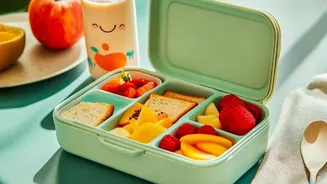
Originating in Japan, the bento is more than just a lunchbox; it's a philosophy of food presentation. A traditional bento is a single-portion meal packed in a box with small, distinct compartments. This design isn't just for looks—it's rooted in the idea
of balance, typically including a carbohydrate like rice or noodles, a protein such as fish or meat, and a variety of pickled or cooked vegetables. Unlike a traditional Indian tiffin where flavours can sometimes mingle, the bento’s partitions keep every component separate, ensuring each bite is fresh and distinct. The focus is on creating a meal that is as visually appealing as it is nutritious and harmonious.
From Dabba to Bento: An Urban Shift
The humble steel dabba, often delivered by the famed dabbawalas of Mumbai, is a symbol of home-cooked comfort. It’s built for durability and perfectly suited to carrying Indian meals rich in gravies and curries. However, in metropolitan hubs like Bengaluru, Mumbai, and Delhi, a shift is underway. Young professionals are increasingly drawn to the bento for several reasons. The rise of wellness culture has put a spotlight on mindful eating and portion control—principles that are built into the bento's design. Each small compartment encourages variety without overeating, making it an ideal tool for health-conscious office-goers looking to avoid a post-lunch slump.
The 'Indian-isation' of the Bento
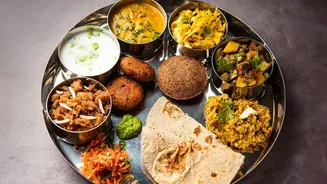
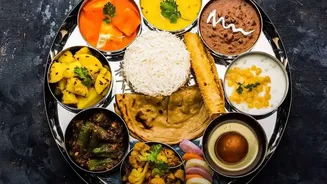
The growing popularity of bento boxes in India doesn't mean professionals are suddenly packing sushi and tempura for lunch. Instead, a fascinating fusion is taking place. The Japanese box is being adapted to hold distinctly Indian flavours. Food enthusiasts are filling the compartments with small portions of paneer tikka, jeera rice, and a cooling cucumber raita. Others might pack a mini-thali with a small vegetable pulao, dal tadka, and a side salad. Even classic combinations like chana masala are being reimagined as a wrap, cut into bite-sized pieces to fit neatly inside a compartment, paired with baked sweet potato wedges. This 'Indian-isation' makes the global trend accessible and deeply personal, blending a foreign concept with the comfort of familiar tastes.
A Sign of Changing Work Lifestyles
The adoption of the bento box reflects broader changes in Indian corporate culture. With the normalisation of hybrid work models, employees need lunches that are portable, mess-free, and convenient. The bento’s compact, all-in-one design is a perfect fit. Furthermore, in an age dominated by social media, the aesthetic appeal of a beautifully arranged meal cannot be underestimated. A colourful, neatly organised bento is inherently Instagram-worthy, turning a simple homemade lunch into a small statement of personal style and culinary creativity. This visual aspect, combined with the practical health benefits, makes the bento a compelling choice for a generation that values wellness, convenience, and self-expression.