


Why September is a Transitional Month
The Southwest Monsoon doesn't just switch off on September 1st. Its withdrawal is a gradual process that can last for weeks. According to the India Meteorological Department (IMD), the retreat from the northwestern parts of India typically begins in the first
half of September, but its pace is unpredictable. For mountain states like Uttarakhand and Himachal Pradesh, this means the risk of intense rainfall can persist well into the month. The soil is already saturated from months of rain, making it highly unstable. Even a moderate downpour on this waterlogged ground can trigger significant hazards, turning a dream holiday into a dangerous situation. Forecasts for 2026 suggest a complex picture, with some models indicating an earlier withdrawal but also the potential for heavy rainfall in the first week or two of September.
The Lingering Dangers: Landslides and Flash Floods
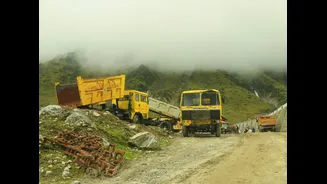
The primary risks in the post-monsoon period are landslides and flash floods. Years of data show that these are not freak accidents but annual certainties in the Himalayas. Hillsides, destabilised by relentless rain, can give way without warning, blocking major highways for hours or even days. Rivers and streams, already running high, can swell into torrents with a single, intense spell of rain, leading to flash floods that wash away roads and bridges. Recent years have seen numerous devastating incidents in the Himalayas during the monsoon's retreat. In fact, the IMD has issued warnings for September in previous years, advising travellers to be extremely cautious and avoid low-lying areas and landslide-prone zones.
A Traveller's Safety Checklist
Despite the risks, a September trip is possible with careful planning. Your first step should be to monitor the weather obsessively. Check IMD alerts and state-specific disaster management portals before and during your trip. Local experts and travel operators stress the importance of flexibility; never try to outrun a bad weather forecast. It's wise to build buffer days into your itinerary to account for potential road blockages or delays. When packing, prioritise function over fashion. Waterproof shoes with good grip, a reliable raincoat, and quick-drying synthetic clothing are non-negotiable. Avoid cotton, as it stays wet and cold. It is also crucial to inform family or friends of your itinerary and check in regularly, especially when travelling to more remote areas where network connectivity can be unreliable.
On the Road: Smart Driving and Local Advice
The journey is often the most hazardous part of a mountain trip during this season. Before you even start the engine, ensure your vehicle is in top condition, with special attention to tyres, wipers, and headlights. While driving, be extremely vigilant. Avoid parking your vehicle near steep slopes and never attempt to cross a road that is flooded or covered in debris. One of the most valuable resources you have is local knowledge. People who live in these mountains understand the terrain and weather patterns better than any app. If a local driver or hotel owner advises against travelling on a particular route, listen to them. Their experience can be the difference between a minor delay and a major emergency. If conditions look threatening, the safest decision is always to stay put and wait for the weather to clear.