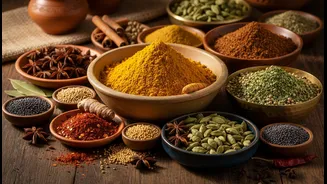


The New Spice Route
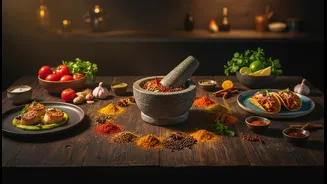
For decades, Indian food outside of India was defined by a handful of familiar flavours. But a new generation of chefs, both in India and abroad, is rewriting the menu. They are digging deep into the country's diverse culinary atlas, bypassing pan-Indian
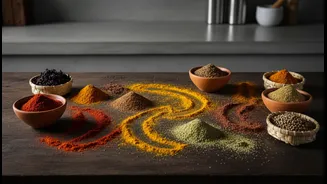
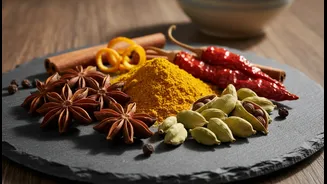
standards to unearth hyper-regional spice blends. This isn't just about adding a pinch of something new; it's a movement celebrating the incredible specificity of Indian cuisine. The goal is to move past fusion as a gimmick—like the once-novel chicken tikka pizza—and toward a more thoughtful integration of authentic Indian flavours into global dishes. It's about confidence in our own pantry, proving that a hyper-local masala from Maharashtra or Bengal has as much to offer the modern palate as any imported herb or seasoning.
The Podi Revolution
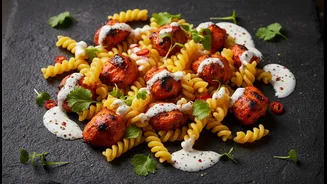
Perhaps no spice mix illustrates this trend better than podi. A staple in South Indian homes, this coarse powder of roasted lentils, chillies, and other spices has a history stretching back centuries. Traditionally mixed with ghee or sesame oil and eaten with idli, dosa, or rice, podi is a flavour bomb of nutty, spicy, and savoury notes. Now, it's breaking free from the breakfast table. Chefs are using its 'gunpowder' kick to crust proteins, season avocado toast, sprinkle over fried eggs, and even toss with french fries and pasta. This versatile condiment adds not just flavour but also a satisfying texture, making it the perfect entry point for anyone looking to explore regional Indian spices.
Flavours From East and West
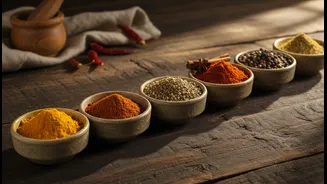
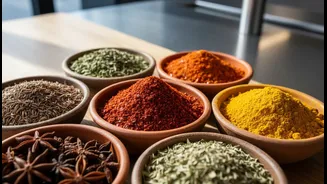
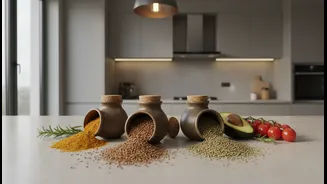
Beyond the south, other regional champions are stepping into the spotlight. Take Panch Phoron from Eastern India, a simple yet potent blend of five whole spices: fenugreek, nigella, cumin, mustard, and fennel seeds. Traditionally used to temper dals and vegetables in Bengali and Odia cooking, its aromatic, slightly bitter notes are now being used to perfume roasted vegetables, flavour salad dressings, and create rubs for meat and fish. From the west, Maharashtrian Goda Masala offers a completely different profile. Subtly sweet and aromatic from ingredients like stone flower, sesame seeds, and dried coconut, it provides a warm, mellow depth to dishes. While essential for classics like amti (a lentil dish) and bharli vangi (stuffed aubergines), its complex but gentle flavour is finding its way into non-traditional stews and marinades.
The Secret Weapon: Bottle Masala
For a true deep dive, consider the legendary Bottle Masala of Mumbai's East Indian community. A closely guarded secret, these recipes are passed down through families and can contain anywhere from 25 to over 30 different spices. The spices are traditionally sun-dried in the summer, then pounded and stored in dark-coloured beer bottles to protect the blend's potency—hence the name. With its fiery red-orange hue and a flavour that is robust yet not overpoweringly hot, this masala is a universal seasoning in East Indian households, used for everything from vegetable stir-fries to meat and fish curries. As chefs look for complex, all-in-one flavour bases, this intricate blend represents a treasure trove of culinary potential, perfect for bringing a unique Indian warmth to global dishes.
The Fusion Frontier
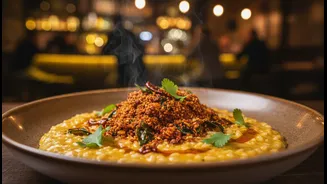
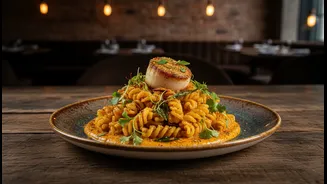
So what does this all look like on a plate? Picture podi-dusted chicken wings, panch phoron-crusted salmon, or tacos filled with pork vindaloo seasoned with bottle masala. The headline's mention of Peri-Peri isn't about claiming it as an Indian spice, but rather using it as a benchmark for the kind of bold, exciting, and globally-loved flavour profile that chefs are now achieving with India's own arsenal of spices. Modern Indian cooking today is about honouring the deep roots of regional flavours while welcoming a spirit of creativity. It’s a thoughtful balance between authenticity and adaptation, creating dishes that feel both familiar and thrillingly new.