
The Coastal King: Coconut
Along India's extensive coastline, particularly in the south, the coconut palm is more than just a tree; it's a way of life. Naturally, this reflects in its sweets. Freshly grated coconut, coconut milk, and desiccated coconut form the base of countless
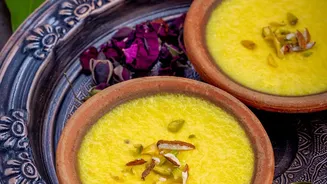
desserts. In South India, sweets like Coconut Burfi, a fudge-like confection, and the delicate Kozhukkattai, steamed rice flour dumplings with a sweet coconut and jaggery filling, are staples. Kerala's array of payasams, creamy puddings, often rely on rich coconut milk for their signature flavour, creating a luscious texture that is distinct from their dairy-heavy northern counterparts. This use of coconut showcases a culinary tradition deeply connected to the local landscape.
The Golden Elixir: Jaggery
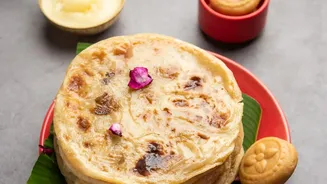
Long before refined sugar became commonplace, jaggery, or 'gur', was India's primary sweetener. This unrefined block of sugar, made from sugarcane juice or date palm sap, carries a complex, earthy sweetness with notes of caramel and molasses. Its versatility is boundless. In Maharashtra, it's the heart of Puran Poli, a sweet flatbread filled with a lentil and jaggery mixture. In winter, Bengal celebrates with 'Nolen Gur', a seasonal date palm jaggery that imparts a unique, smoky aroma to sweets like Sandesh and Rosogolla. Across the country, it's combined with sesame seeds to make Til Chikki or Tilgul during festivals like Makar Sankranti, a treat that warms the body and spirit. Jaggery is not just a sweetener; it's a taste of tradition.
The Gift of the Paddy Fields: Rice
As a staple food crop, rice also finds its way into the dessert course in myriad forms. Ground into flour, it becomes the foundation for a special class of sweets known as 'pitha'. In Assam, pithas are an integral part of festivals like Bihu. You’ll find varieties like Til Pitha, a thin roll made of glutinous rice flour filled with sesame and jaggery, and the steamed Tekeli Pitha, a soft rice cake often filled with coconut. In South India, rice flour is used to create Adhirasam, a deep-fried pastry resembling a doughnut, sweetened with jaggery. The use of rice highlights a sustainable food culture, where every part of the harvest is celebrated.
The Eastern Delight: Chhena
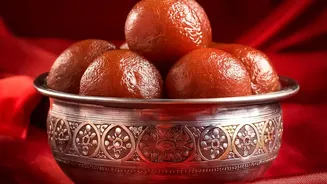
The eastern states of West Bengal and Odisha are the undisputed champions of milk-based sweets, thanks to their mastery of 'chhena'. This fresh, unripened curd cheese is made by curdling milk and draining the whey. The resulting soft, malleable cheese is the building block for some of India's most iconic desserts. When rolled into balls and soaked in light sugar syrup, it becomes Rosogolla. Kneaded with sugar, it's transformed into the delicate Sandesh. Baked until caramelised, it becomes Odisha's famous Chhena Poda, which translates to 'burnt cheese'. Further fried and soaked in syrup, it becomes Chhena Gaja or Chhena Jhili. The subtle, milky flavour of chhena provides a perfect canvas for these sweet creations.
Seeds of Tradition: Sesame and Poppy
Tiny seeds pack a powerful punch in the world of Indian sweets. Sesame seeds ('til') are particularly prominent in winter desserts across the country. They are roasted and combined with hot jaggery to create brittle candies like Til Chikki or Gajak, prized for their nutty flavour and warming properties. Poppy seeds ('khus khus'), on the other hand, lend a unique texture and subtle, nutty taste. In Karnataka, Gasagase Payasa is a creamy kheer made from a paste of white poppy seeds, coconut, and jaggery, known for its cooling properties and as a post-meal soporific. Khus Khus Halwa is another rich dessert where the seeds are ground into a paste and cooked with milk, sugar, and ghee until thick. These ingredients demonstrate how even the smallest products of the land find a cherished place in the culinary roster.