






Why Monsoon Humidity Is a Nightmare for Skin
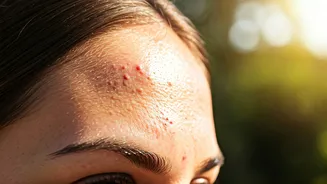
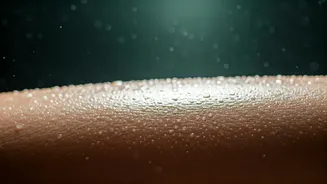
That sticky, damp feeling during the monsoon isn't just in your imagination; your skin feels it too. High humidity sends your sebaceous glands into overdrive, causing them to produce excess oil, or sebum. This surplus oil mixes with sweat, dust, and dead
skin cells, creating a perfect plug for your pores. This clogged, moist environment is an ideal breeding ground for acne-causing bacteria, leading to blackheads, whiteheads, and inflamed pimples. The dampness also encourages the growth of a yeast called Malassezia, which can cause fungal acne—those small, often itchy, uniform bumps that don't respond to typical acne treatments.
Master the Monsoon Cleanse
The first rule of monsoon skincare is to cleanse thoroughly but gently. Wash your face twice a day—morning and night—to remove the daily buildup of oil, sweat, and grime. Over-washing or using harsh, stripping cleansers can backfire by drying out your skin, triggering it to produce even more oil to compensate. Opt for a gentle, gel-based cleanser. If you’re particularly oily or breakout-prone, look for one with salicylic acid, a beta-hydroxy acid (BHA) that penetrates deep into pores to dissolve oil and dead skin cells. For evening routines, consider double cleansing: start with an oil-based cleanser to melt away sunscreen and makeup, followed by your regular water-based cleanser to purify the skin.
Exfoliate Smarter, Not Harder
With pores clogging faster in the humidity, regular exfoliation is crucial. However, aggressive physical scrubs can cause micro-tears and irritation, making matters worse. Instead, turn to chemical exfoliants two to three times a week. Alpha-hydroxy acids (AHAs) like glycolic acid work on the skin's surface to slough away dead cells, while oil-soluble beta-hydroxy acids (BHAs) like salicylic acid work deeper to clear out congested pores. This step will not only help prevent new breakouts but will also give your skin a brighter, more even-toned appearance.
Hydration Is Still Non-Negotiable
It’s a common myth that oily, sticky skin doesn’t need a moisturiser. In fact, skipping this step can lead to dehydration, which, ironically, prompts your skin to produce more oil. The secret is to choose the right formula. Ditch heavy creams for lightweight, gel-based, or water-based moisturisers that are labelled 'non-comedogenic,' meaning they won’t clog pores. Look for hero ingredients like hyaluronic acid, which provides intense hydration without any greasiness, and niacinamide, a powerhouse that helps regulate oil production, calm inflammation, and fade post-acne marks.
Deploy Targeted Treatments and Masks
For active breakouts, a spot treatment can be your best friend. Products containing benzoyl peroxide or tea tree oil can help reduce inflammation and bacteria directly on the pimple. To manage overall oiliness and prevent congestion, incorporate a clay mask into your routine once a week. Clay-based masks, like those with bentonite or kaolin clay, are excellent for drawing out excess sebum and impurities from deep within the pores, leaving your skin feeling refreshed and reset.
Never Skip Sunscreen—Even When It’s Cloudy
Don't let the cloud cover fool you; harmful UV rays penetrate right through, contributing to skin damage and worsening the dark marks left behind by acne. Furthermore, many acne-fighting ingredients like AHAs and BHAs can make your skin more sensitive to the sun. Make a non-comedogenic, oil-free sunscreen a daily habit. Look for lightweight gel or fluid formulas with at least SPF 30 that provide broad-spectrum protection without feeling heavy or greasy on the skin.
Simple Lifestyle Tweaks That Make a Difference
Your daily habits play a significant role in your skin's health. Make it a point to change your pillowcase at least twice a week, as humidity can cause a rapid buildup of sweat, oil, and bacteria on fabric. Avoid touching your face throughout the day to prevent transferring dirt and germs to your pores. Wear breathable fabrics like cotton to reduce sweat-induced body acne. Finally, stay hydrated by drinking plenty of water; skin that is dehydrated internally will often produce more oil externally to compensate.