




Create a Dedicated Paw-Cleaning Station
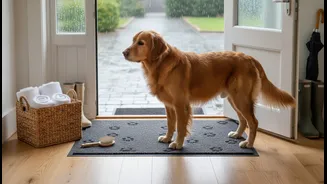
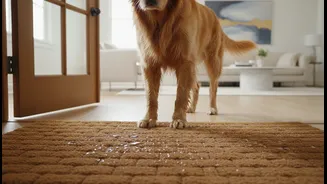
The first step to containing the mess is to designate a specific area for paw cleaning, ideally right by the entrance you use most often. This "landing zone" acts as your first line of defense. Start with highly absorbent indoor and outdoor mats to catch
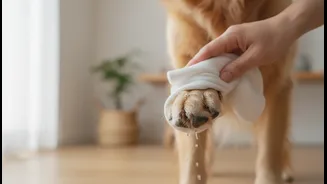
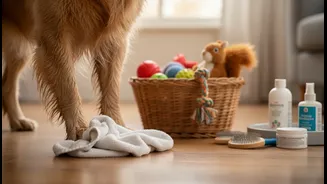
the initial dirt and moisture. For the station itself, you can use a shallow tray or bin to hold your supplies. Stock it with essentials: a stack of absorbent, machine-washable towels, pet-friendly wipes for quick clean-ups, and your chosen cleaning tool. Having everything in one place eliminates the frantic search for supplies while your dog waits, potentially losing patience and dashing into the house. This setup not only contains the mess but also signals to your pet that this is the spot where paws get tended to after every outdoor adventure.
Choose the Right Cleaning Tools
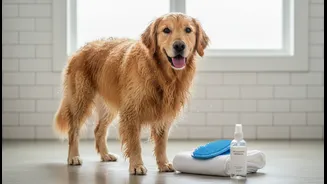
There is a wide array of tools available to suit every dog and owner's preference. For many, a simple towel or a washcloth soaked in warm water is enough for a quick wipe-down. For more significant mud, pet-safe grooming wipes are a convenient, no-fuss option perfect for getting between the toes. For a deeper clean without a full bath, consider a no-rinse foaming cleanser, which often comes with a built-in silicone brush to gently scrub away dirt. Another popular and effective option is a paw washer cup, like the Dexas MudBuster. These portable devices feature soft silicone bristles inside a tumbler; you simply add a little water, insert a paw, twist gently, and then towel dry. They are excellent at containing the muddy water and providing a thorough clean.
Establish a Consistent Routine
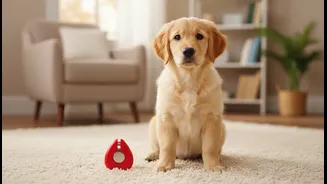
Having the right gear is only half the battle; success lies in consistency. Make paw cleaning a non-negotiable step every single time you come inside. To get your dog comfortable with the process, you need to build a positive association. Start slowly, especially if your dog is sensitive about having their feet touched. Begin by simply touching a paw and then immediately giving a high-value treat. Gradually progress to holding the paw, touching it with a towel, and then gently wiping it, rewarding your dog at each step. Keep sessions short and positive. Some owners even train their dogs to actively participate by wiping their paws on a designated mat. This can be taught by hiding a treat under a towel to encourage pawing at it, then rewarding the behavior and adding a verbal cue like "wipe your feet." Patience and positive reinforcement are key to a stress-free routine for both of you.
Protect Your Floors Long-Term
While immediate cleaning is crucial, taking preventative measures can save your floors from long-term damage. Water and grit can be particularly harsh on hardwood and laminate. Placing waterproof mats with raised edges under food and water bowls can prevent spills from seeping into the floorboards. Using runners and area rugs in high-traffic zones, like hallways and near doorways, can significantly reduce scratches and wear. For long-haired breeds, keeping the fur between their paw pads trimmed can minimize the amount of mud and water they track in and helps prevent matting. Regular nail trims are also essential to reduce surface scratches on all types of flooring. These simple habits, combined with your cleaning station, will help preserve the beauty and longevity of your floors.