



Start with a Sun Map
Before buying a single plant, become a student of your balcony's sunlight. Most vegetables and herbs need at least six hours of direct sun to truly thrive. Spend a day observing which spots get full sun, which are partially shaded, and which are in shadow
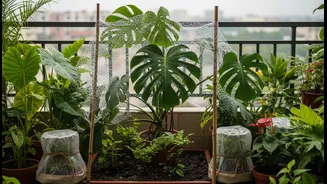
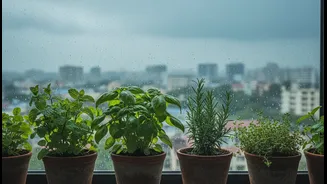
for most of the day. This 'sun map' will be your most crucial tool. Sun-loving Mediterranean herbs like rosemary, thyme, and oregano should be placed in your sunniest zones. Plants that tolerate partial shade, like mint, parsley, and many ferns, can occupy the less sunny real estate. Knowing your light conditions prevents the common mistake of placing a sun-worshipping plant in a shady corner where it will fail to prosper.
Choose Compact Plant Varieties
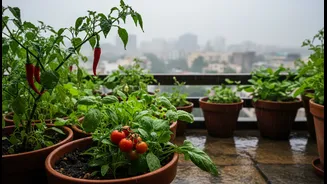
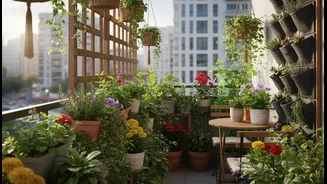
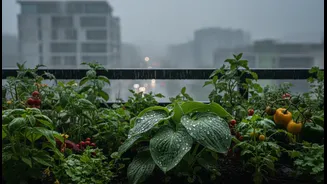
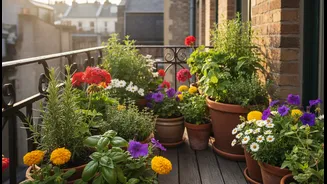
In a small-space garden, plant selection is everything. Opt for 'dwarf', 'patio', or 'bush' varieties of your favourite plants. These have been specifically bred for container life. For instance, instead of a sprawling indeterminate tomato, choose a 'Tumbling Tom' cherry tomato perfect for a hanging basket. Many common herbs like basil, mint, and thyme are naturally compact, making them ideal balcony residents. For flowers, consider calibrachoa, petunias, geraniums, and begonias, which provide abundant colour without demanding excessive space. For an Indian context, marigolds, hibiscus, tulsi (holy basil), and mint are excellent, resilient choices for pots.
Think Vertically, Not Just Horizontally
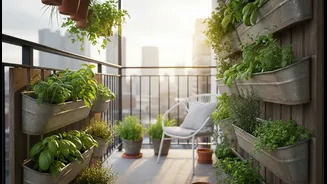
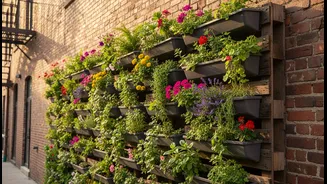
The most effective way to multiply your growing area is to think upwards. Vertical gardening is a game-changer for compact balconies. Use wall-mounted pocket planters for shallow-rooted plants like lettuce, strawberries, and most herbs. Tiered plant stands allow you to stack multiple pots in a single footprint, instantly creating layers of greenery. You can place sun-lovers on the top tier and more shade-tolerant plants below. Railing planters are another fantastic tool, using zero floor space and perfect for trailing flowers or accessible herbs like coriander and mint. Finally, a simple trellis against a wall can support climbing plants like peas, beans, or even flowering vines like jasmine, adding a lush green backdrop.
The Rules of Spacing and Potting
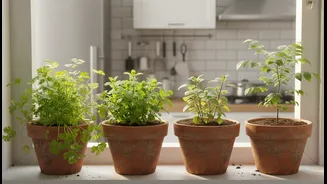
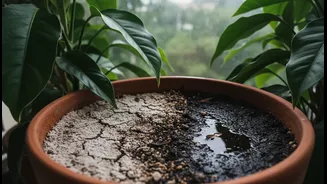
Proper spacing is about more than just aesthetics; it ensures good air circulation, which helps prevent fungal diseases, and gives roots enough room to grow. As a general rule, leave at least 6-8 inches between herbs sharing a large container. When choosing pots, bigger is often better as they don't dry out as quickly, but be mindful of weight restrictions on your balcony. Ensure every pot has drainage holes to prevent root rot. Tomatoes need deep pots (at least 5 gallons), while most herbs can thrive in smaller 1-2 gallon containers. Aggressive spreaders like mint should always be given their own pot to prevent them from taking over.
Smart Pairings: Companion Planting
Companion planting is the art of placing mutually beneficial plants next to each other. This is especially useful in containers to deter pests and maximise health. The classic pairing of tomatoes and basil is a great example; basil is known to repel tomato hornworms and whiteflies. Planting marigolds among your vegetables can help deter pests like nematodes and Mexican bean beetles. Aromatic herbs like rosemary and lavender can confuse and repel pests that might otherwise munch on your flowering plants. When creating mixed containers, group plants with similar needs. Drought-tolerant herbs like rosemary and sage should be planted together, while moisture-loving plants like basil and parsley make better pot-mates.