
The High Cost of Heat on Cattle
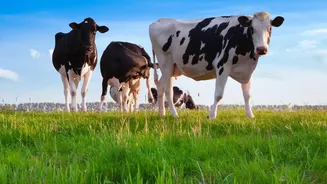
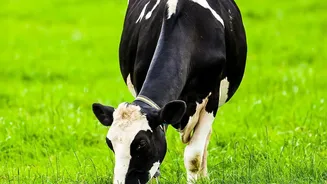
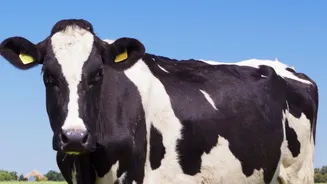
Dairy cattle are sensitive to their environment. When the Temperature-Humidity Index (THI) rises above a certain threshold, animals begin to experience heat stress. For high-yielding cross-bred cows, which are common in India, this stress begins sooner
than for indigenous breeds. The physiological impact is direct and damaging. Stressed animals reduce their feed intake, using energy to regulate their body temperature through panting and sweating instead of producing milk. This can cause milk yields to drop by as much as 25% during peak summer months. Beyond just quantity, heat stress also affects milk quality by lowering its fat and protein content. It also impairs reproductive health, leading to lower fertility rates and increasing the risk of diseases as the animal's immunity is compromised.
A Supply Chain Under Pressure
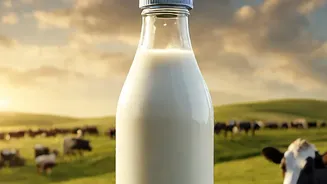
The challenge of rising heat extends far beyond the farm gate. India's dairy supply chain, much of which operates through informal and semi-organised networks, is highly vulnerable. Raw milk is perishable and requires immediate chilling. However, during extreme heatwaves, maintaining an unbroken cold chain from collection centres to processing plants becomes difficult. Delays in transportation, coupled with potential power cuts that disrupt refrigeration, can lead to rapid bacterial growth, increasing spoilage and food safety risks. Small vendors, who often lack sophisticated cooling equipment, are particularly affected, threatening both their income and public health. This puts immense strain on a system that is critical for moving milk from millions of small producers to a massive consumer base.
On-Farm Solutions and Management
Fortunately, there are several effective, low-cost strategies that farmers can implement to mitigate heat stress. Providing adequate shade is the first line of defence, reducing an animal’s exposure to direct solar radiation. Ensuring a constant supply of clean, cool drinking water is also critical, as a cow's water intake can increase by over 50% in hot weather. Many farmers are also adopting simple cooling systems, such as sprinklers or soakers, which wet the animals' skin to allow for evaporative cooling, a process enhanced by fans that increase air circulation. Adjusting feeding schedules to the cooler parts of the day, like early morning or late evening, can also encourage feed intake and reduce the metabolic heat generated during digestion.
The Promise of Technology and Nutrition
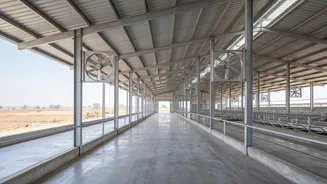
Beyond basic management, technological and nutritional interventions offer powerful tools. This includes scientifically designed cattle sheds that promote natural ventilation and installing automated misting and fan systems. Nutritional strategies are also evolving. Since heat-stressed animals eat less, their feed can be supplemented with energy-dense ingredients like bypass fat, which provides necessary calories without generating excess metabolic heat. Special mineral mixes and additives can also help replenish electrolytes lost through sweating and support gut health, which is often compromised during periods of stress. These interventions help maintain the cow’s energy balance, directly supporting both milk production and overall health.
Breeding a More Resilient Future
In the long term, one of the most sustainable solutions lies in genetics. India is home to numerous indigenous cattle breeds, such as the Gir, Sahiwal, and Tharparkar, which have evolved over centuries to be naturally heat-tolerant and disease-resistant. These Zebu (Bos indicus) cattle have unique physiological traits, like larger skin surface area and more efficient sweating mechanisms, that allow them to thrive in hot climates. While many cross-bred varieties offer higher milk yields, they lack this natural resilience. A key strategy for the future involves selective cross-breeding programs that aim to combine the high-yield traits of exotic breeds with the climate resilience of indigenous Indian cattle, creating a herd that is both productive and better adapted to a warmer future.