

The Allure of Kinnaur
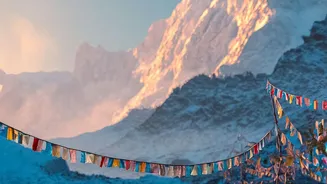
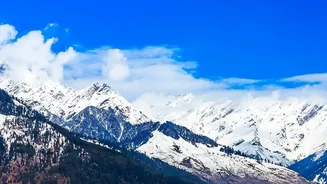
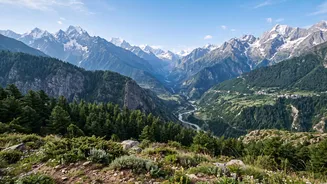
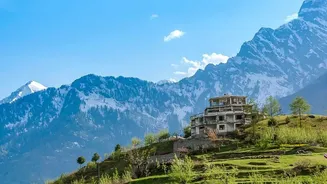
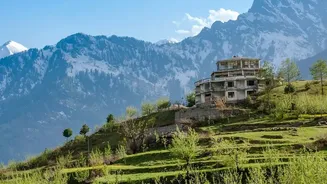
Nestled in the Kinnaur district of Himachal Pradesh, the valleys of Sangla and Kalpa offer a dramatic shift in landscape and culture. Unlike the more crowded tourist circuits, this region offers a rawer, more profound connection with the Himalayas. Kalpa is famed
for its direct, awe-inspiring view of the sacred Kinner Kailash massif, especially at sunrise when the peaks are set ablaze with light. The Sangla Valley, also known as Baspa Valley, is a lush expanse of deodar forests, apple orchards, and charming villages like Rakcham and Chitkul, with the Baspa River flowing through its heart. It’s a land where ancient wooden temples stand testament to a unique blend of Hindu and Buddhist traditions, and the rhythm of life is dictated by the seasons. The journey here is as much a part of the experience as the destination itself, a true adventure for those willing to embrace it.
Charting Your Journey
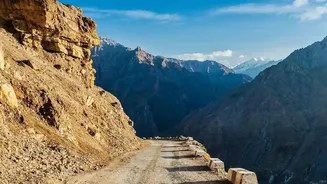
Reaching Sangla and Kalpa is a road trip of epic proportions, most commonly starting from Delhi or Chandigarh. The route typically goes via Shimla, the gateway to the treacherous yet stunning Hindustan-Tibet Road (NH-5). From Delhi, expect a journey of 15-20 hours to reach Reckong Peo, the district headquarters near Kalpa. The drive from Shimla itself takes a full day. It's crucial to factor in at least one overnight stop, with towns like Narkanda or Sarahan serving as popular halts. The road is prone to closures from landslides, especially during the monsoon (July-August), and snowfall in deep winter. Always check the latest road status before you travel, as the main highway might be open, but the smaller link roads to Sangla or Kalpa could be blocked. Hiring a local driver experienced with these mountain roads is highly recommended for those not accustomed to cliff-side driving.
Exploring Sangla and Chitkul
The Sangla Valley deserves at least two days. The main town of Sangla is a good base, but the nearby villages of Rakcham and Batseri offer quieter, more scenic stays. A key attraction is Kamru Fort, an ancient multi-storied wood and stone structure that offers panoramic views of the valley. The heart of the valley is the Baspa River, where you can spend hours simply walking along its banks. The journey culminates at Chitkul, often called India's last inhabited village near the Indo-Tibetan border. The drive from Sangla to Chitkul is rough but rewarding, leading to a village of traditional wooden homes set against a backdrop of snow-dusted peaks. Here, you can visit the Mathi Temple and experience the profound silence of the high Himalayas.
Kalpa: A Room with a View
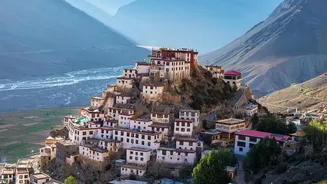
Just 40 km from Sangla, Kalpa offers a different but equally stunning perspective. Its primary draw is the phenomenal view of the Kinner Kailash range. Waking up to see the sunrise paint the sacred peak is an unforgettable experience. Key sights include the Narayan-Nagini Temple and the Hu-Bu-Lan-Kar Monastery, both showcasing traditional Kinnauri architecture. A short drive away is Roghi village, a quieter hamlet known for its apple orchards and the infamous 'Suicide Point', a thrilling viewpoint with a sheer vertical drop. Spending a day in Kalpa simply involves walking through the village, soaking in the views, and enjoying the crisp mountain air.
Practical Planning for a Perfect Trip
Timing your visit is crucial. The best months are from April to June for pleasant weather and from September to October for post-monsoon clarity and apple season. Monsoon (July-August) is best avoided due to landslide risks. Deep winter (December to February) brings heavy snow, often closing the road to Chitkul. When it comes to accommodation, both Sangla and Kalpa offer a range of options, from budget-friendly homestays and guesthouses to comfortable hotels and riverside camps. Homestays provide a wonderful opportunity to experience local hospitality and cuisine. For a 5-day trip from Shimla or a 7-day trip from Delhi, a good itinerary would be to spend two nights in the Sangla area (to cover Chitkul) and two nights in Kalpa. Always pack in layers, as temperatures can change drastically. Carry essential medicines, sunscreen, and cash, as ATM and network connectivity can be unreliable.