


Understanding the Festive Buzz
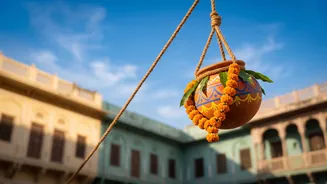
Janmashtami celebrates the birth of Lord Krishna, the eighth avatar of Vishnu, and is one of India's most significant Hindu festivals. The celebrations are most profound on the eighth day (Ashtami) of the Bhadrapada month, with rituals peaking at midnight,
believed to be Krishna's birth moment. This year, with the main festival on a Friday, travellers have a unique opportunity. The question is, do you dive into the heart of the celebrations or use the long weekend for a quiet escape?
For the Devout: Mathura and Vrindavan
The epicentre of Janmashtami is undeniably the Braj region of Uttar Pradesh, encompassing Mathura (Krishna's birthplace) and Vrindavan (where he spent his childhood). Lakhs of devotees throng temples like Shri Krishna Janmabhoomi and Banke Bihari. The atmosphere is electric, with 24/7 bhajans, Rasleela performances depicting Krishna's life, and temples adorned with lights and flowers. Planning is crucial: book travel and accommodation months in advance. Be prepared for immense crowds, stringent security, and a deeply spiritual, albeit intense, experience. Many devotees spend the day in Vrindavan and head to Mathura for the midnight birth rituals.
Coastal Celebrations: Dwarka and Udupi
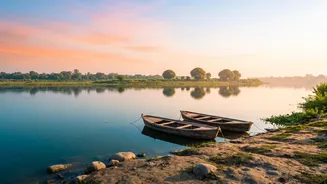
For those seeking a different flavour of devotion, India's coastline offers magnificent celebrations. In Gujarat, the ancient city of Dwarka—Krishna's kingdom—comes alive. The Dwarkadhish Temple holds a grand midnight Janm-Utsav (birth celebration) that draws tens of thousands. The festivities also include a large fair along the Gomti riverbank with food stalls and cultural events. Further south in Karnataka, the Udupi Sri Krishna Matha marks the occasion with unique rituals. Here, the deity is worshipped through a nine-holed silver window called the Navagraha Kindi, a tradition that adds to the temple's mystique. Both locations offer a vibrant yet distinct alternative to the northern heartland.
Tips for Navigating the Festival Crowds
If you choose to immerse yourself in the festivities, smart planning is non-negotiable. Book all travel and hotels several weeks, if not months, ahead as prices soar and availability vanishes. Travel light, but carry essentials like water, snacks, and comfortable footwear. Roads will be congested and public transport packed, so factor in significant delays. When visiting temples, dress modestly and be mindful of local customs and restricted items like cameras or large bags. Above all, be patient and embrace the chaotic, devotional energy as part of the experience.
Seeking Serenity: Quiet Weekend Escapes
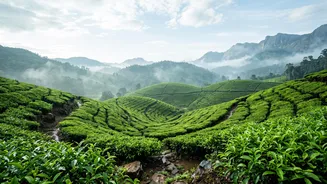
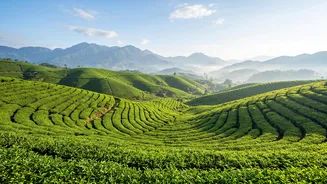
If massive crowds aren't your idea of a holiday, the long weekend is perfect for a peaceful getaway. With the monsoon just ending, many destinations are at their greenest and most serene. Consider the coffee plantations of Coorg or the misty hills of Wayanad in the south for a quiet retreat. In Rajasthan, skip the main hubs and head to quieter spots like Bundi, which offers historic charm without the tourist rush. For mountain lovers, hill stations in Uttarakhand like Rishikesh or parts of Himachal that are not on the primary pilgrimage circuit can provide a tranquil escape with pleasant weather.
How to Plan Your Peaceful Getaway
Even though you're avoiding the main festival locations, remember that it's still a national long weekend. Book your travel and boutique homestays or resorts early to avoid disappointment. Look for properties situated slightly away from the main town centres to guarantee peace and quiet. September is an ideal time for nature-focused trips—the landscapes are lush after the rains, waterfalls are full, and the peak winter tourist season has yet to begin, offering a sweet spot of good weather and fewer crowds. It's the perfect opportunity to unwind and recharge before the festive season kicks into full gear.