



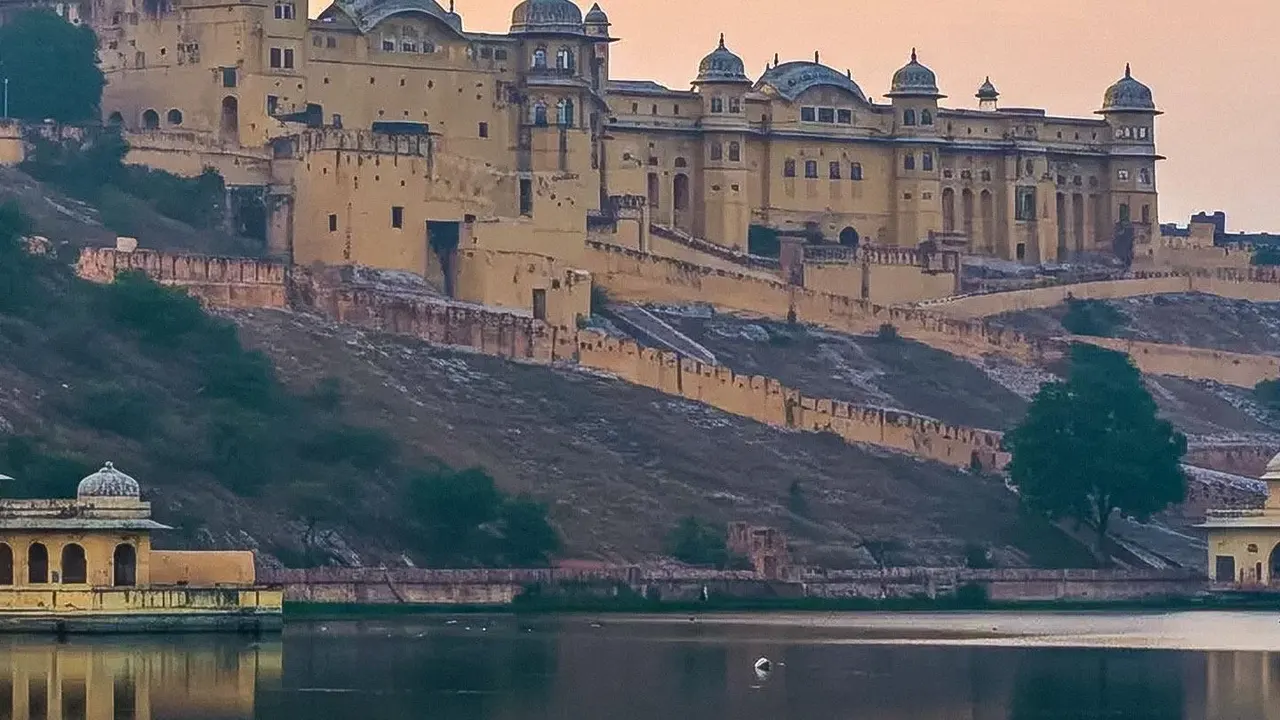
Winter transforms Jaipur into a traveller's dream, with crisp air and golden sunlight perfect for exploring its majestic landmarks. At the heart of this experience are two of India's most iconic structures: the formidable Amber Fort and the whimsical
Hawa Mahal.
Why Jaipur Shines in Winter
The months from November to February are undoubtedly the best time to visit the Pink City. The punishing summer heat gives way to pleasant, dry weather, with cool mornings and warm afternoons perfect for sightseeing. This is the season when the city truly comes alive, as the low winter sun paints the historic sandstone monuments in breathtaking shades of rose and amber. The weather is ideal for walking, allowing you to explore the sprawling forts and bustling bazaars for hours without the exhaustion that the summer heat brings. However, this is also peak tourist season, so booking accommodations and transport in advance is highly recommended.
Amber Fort: A Majestic Hilltop Citadel
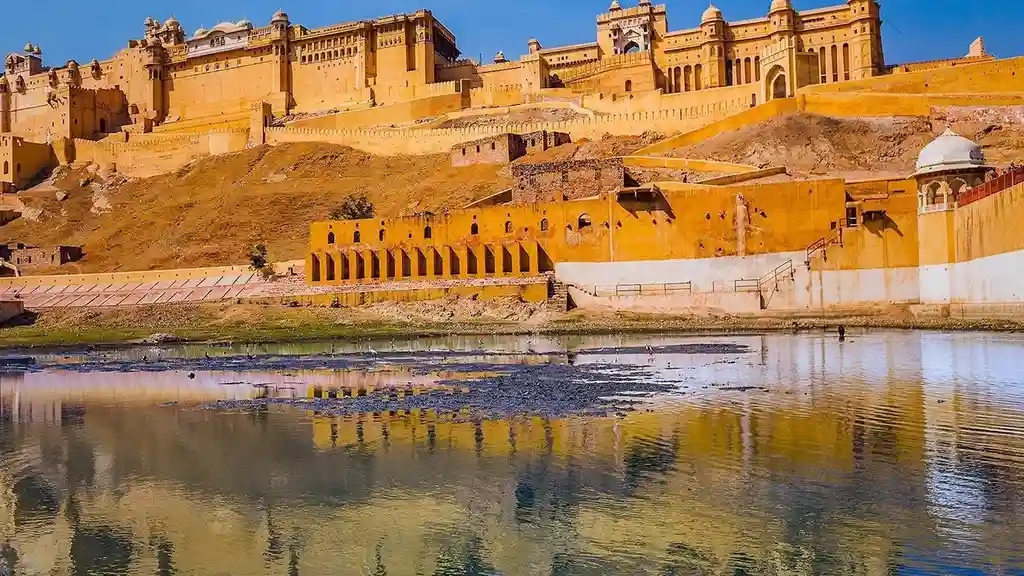
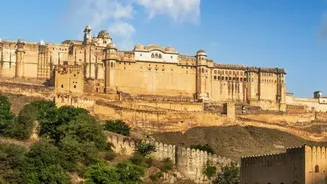
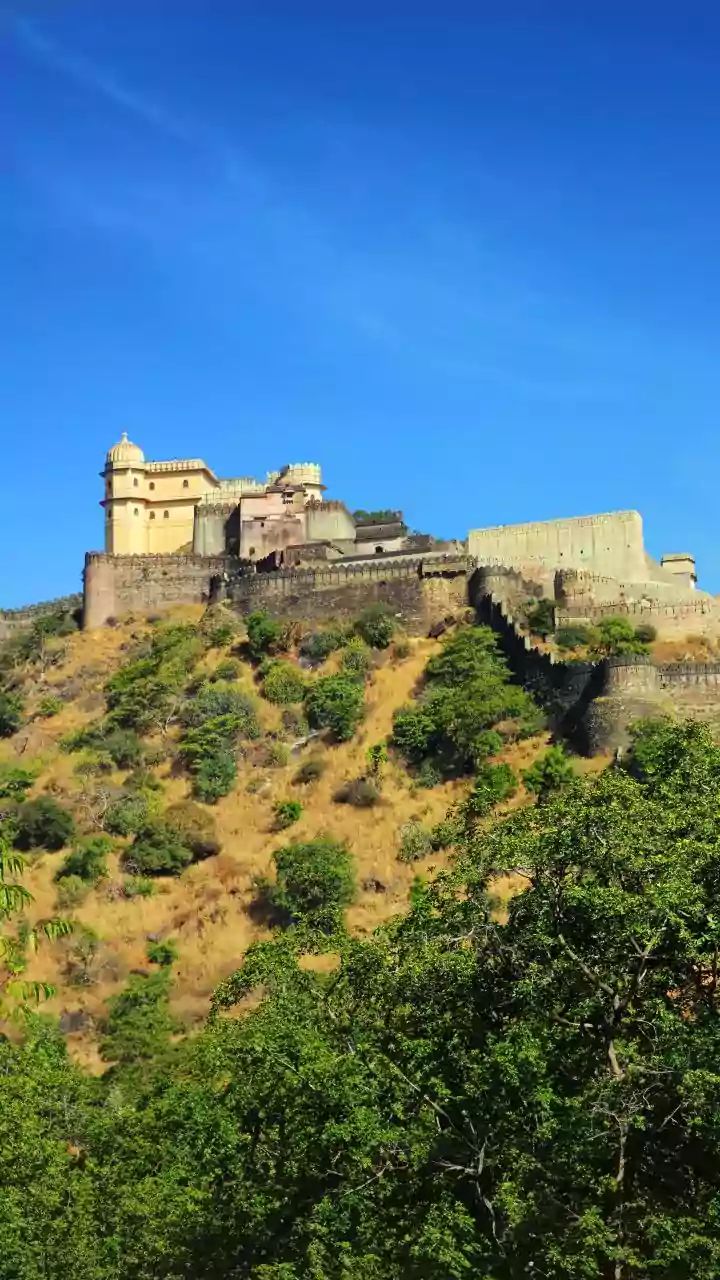
Located 11 kilometres outside the city, the magnificent Amber Fort (also known as Amer Fort) is a must-visit. Construction of this UNESCO World Heritage Site began in 1592 under Raja Man Singh I. The fort is a stunning fusion of Rajput and Mughal architectural styles, built from pale yellow and pink sandstone and white marble. To make the most of your visit, plan to arrive right at its 8:00 AM opening time. This allows you to explore the courtyards and palaces in the soft morning light before the larger tour groups arrive around 10:00 AM. You will need at least two to three hours to do justice to the sprawling complex.
Inside Amber Fort: What Not to Miss
Once inside, make your way through a series of grand courtyards and gates. A highlight is the Diwan-i-Aam (Hall of Public Audience), with its rows of columns. The true jewel, however, is the Sheesh Mahal (Palace of Mirrors). This breathtaking chamber is adorned with thousands of tiny mirrors on its walls and ceiling, which were designed to glitter and dance in the flickering candlelight. Another key sight is the Ganesh Pol, a majestic gate with intricate frescoes that served as the entrance to the private palaces of the Maharajas. The fort's elevated position offers spectacular views of Maota Lake below.
Hawa Mahal: The Palace of Winds
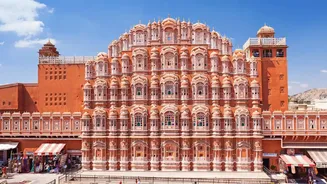
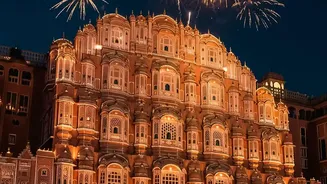
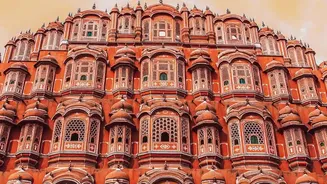
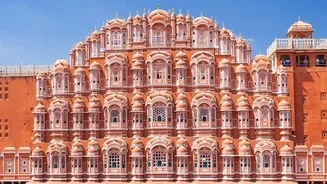
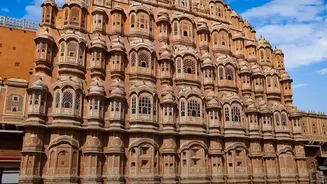
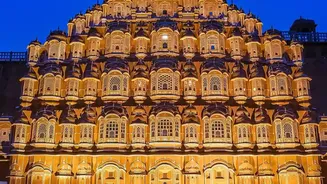
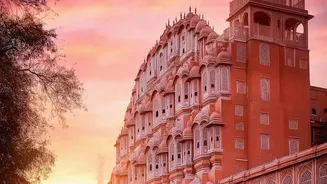
Back in the heart of the old city lies Hawa Mahal, Jaipur’s most recognizable landmark. Built in 1799 by Maharaja Sawai Pratap Singh, it is not a palace in the traditional sense, but an extraordinary five-storey façade. Its primary purpose was to allow the royal women of the zenana to observe street festivities and daily life below without being seen, adhering to the strict purdah system. The structure gets its name, 'Palace of Winds', from its 953 intricately carved latticed windows, or 'jharokhas', which were designed to allow a cool breeze to flow through.
Hawa Mahal : The Palace of Winds
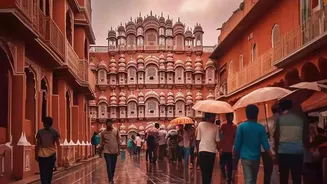
While you can go inside Hawa Mahal (open 9:00 AM to 4:30 PM), the most famous view is of its exterior. The facade faces east, meaning the best time for photography is early in the morning when the rising sun illuminates the pink sandstone, making the honeycomb_like details pop. The classic shot is taken from the rooftop cafes located directly across the street. These cafes offer the perfect vantage point to capture the building's full glory, often for the price of a cup of chai or a snack. The interior itself is a series of ramps and narrow corridors leading to the small windows with views of the city.
Practical Tips for Your Winter Visit
To make your trip smooth, consider purchasing a composite ticket. For an Indian tourist, this ticket costs around ₹300 and provides access to Amber Fort, Hawa Mahal, and other major sites like Jantar Mantar and Nahargarh Fort, valid for two days. This is more economical than buying individual tickets. For Amber Fort, an adult Indian ticket is around ₹100–₹200, while Hawa Mahal is around ₹100. Always wear comfortable shoes, as exploring these sites involves a lot of walking. It is also wise to layer your clothing, as mornings and evenings can be quite chilly while afternoons remain pleasantly warm.