







The Digital Dining Revolution
India's appetite for online food delivery is growing at a phenomenal rate. The market is projected to expand from over USD 46 billion in 2025 to nearly USD 270 billion by 2034. This boom is fuelled by increasing smartphone use, accessible data, and the
sheer convenience of getting restaurant meals delivered home. In urban centres, these apps have become an integral part of daily life for many. A study highlighted that this convenience has led to a significant increase in ordering, reducing home-cooking frequency for many urban users. While initially concentrated in metros like Mumbai and Delhi, this digital wave is now spreading.
A Tale of Two Internets
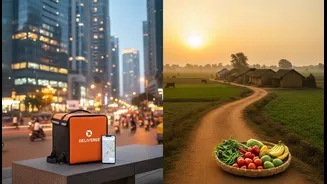
While online services expand, the foundation they're built on—internet access—remains uneven. As of early 2026, India has over a billion internet users, but a significant urban-rural divide persists. Urban internet penetration stands at nearly 127 subscribers per 100 people, a near-saturation point. In contrast, rural India has just over 48 subscribers per 100 people. Although rural user growth is outpacing urban areas, with over half of all active users now in villages, issues like connection quality and digital literacy can still be barriers. This digital gap directly influences how and where online food delivery can take root, creating a starkly different reality for urban and rural consumers.
The Changing Urban Palate
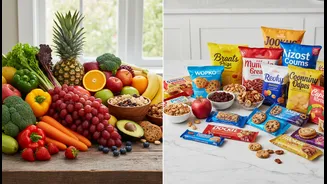
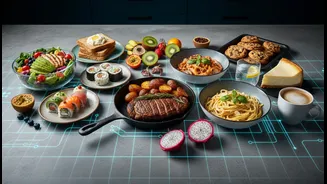
In cities, the impact of food delivery apps is profound and immediate. They offer unprecedented variety, but also steer consumers towards certain types of food. Studies show a clear link between frequent use of these services and a higher intake of calorie-dense, ultra-processed foods. One analysis found that regular users have a higher caloric intake and reduced dietary diversity. This convenience-driven culture is contributing to a rise in lifestyle diseases like obesity. While some platforms are introducing 'healthy' options, the core business model often promotes impulse buys and frequent consumption of restaurant food, which is typically higher in salt, sugar, and unhealthy fats than home-cooked meals.
Ripples in the Countryside
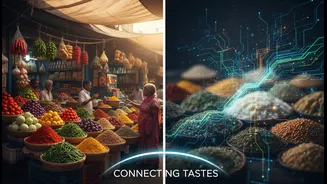
The food delivery story in rural and semi-urban India is more complex. Major platforms are aggressively expanding into Tier-2 and Tier-3 cities, seeing them as the next frontier for growth. Transaction volumes in these smaller cities have nearly tripled in the last five years. This expansion brings new choices to areas with fewer dining options and creates opportunities for local eateries and cloud kitchens. However, challenges remain, including logistics, limited restaurant partnerships, and consumer trust. For many in rural areas, access to traditional, local food systems is still dominant, but the digital shift is slowly introducing new patterns, especially among younger populations. A study noted that while the frequency of ordering out is higher in urban areas (75.3%) than rural ones (67.5%), the trend is growing everywhere.
How to Track These Changes Yourself
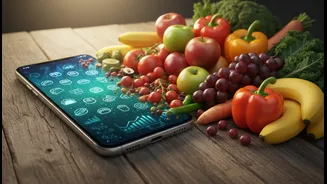
You don't need to be a data scientist to see these shifts. Here’s how you can track the changes in your own community: 1. Compare the Apps: Open a food delivery app in a metro like Bengaluru and then change your location to a Tier-3 town. Note the difference in the number of restaurants, cuisine variety, and delivery times. This is the most direct way to see the service gap. 2. Observe Local Markets: Pay attention to your local 'sabzi mandi' and 'kirana' stores. Are they as busy as they used to be? Are they adapting by offering their own delivery services? Their health is a barometer for the traditional food economy. 3. Talk to Restaurant Owners: Ask local restaurant owners if they are on platforms like Zomato or Swiggy. Inquire how it has changed their business, from the volume of orders to the type of food that sells most. 4. Look at Public Health Data: For a big-picture view, explore data from the National Family Health Survey (NFHS). Reports from NFHS track nutritional indicators like obesity, anaemia, and dietary diversity over time. While not directly linked to apps, a rise in urban obesity alongside stable or different trends in rural areas can hint at the dietary divergence.
The Broader Implications
This transformation is more than just a matter of convenience; it has significant consequences for public health and local economies. The shift towards processed and restaurant food is part of a larger "nutrition transition" that often leads to a dual burden of malnutrition—where undernutrition coexists with rising obesity and related non-communicable diseases. Economically, while delivery platforms create gig work and offer restaurants a new sales channel, they also introduce challenges for small, traditional eateries that can't compete with the digital-first brands and cloud kitchens that now dominate online spaces. Understanding this evolving ecosystem is crucial for shaping a future where food is not only accessible but also healthy and sustainable for all.