







The Monsoon Migration
For millions in India, the arrival of the monsoon is a dramatic, all-encompassing event. It’s not just a few drizzly days; it’s a months-long season that transforms the landscape and daily life. In sprawling cities like Mumbai, Delhi, and Bangalore, this
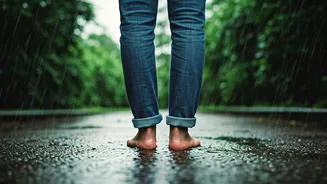
transformation presents a logistical nightmare for the dedicated gym-goer. Streets flood, traffic grinds to a halt, and what was a 20-minute commute can easily become a two-hour ordeal. For many, the simple act of getting to the gym becomes more strenuous than the workout itself. In this context, the “rainy walk” isn't just a quirky choice; it’s a pragmatic solution. Instead of battling the elements to reach an indoor sanctuary, a growing number of fitness enthusiasts are embracing the elements themselves. They’re trading their gym memberships for a good waterproof jacket and a sturdy pair of shoes, turning their own neighborhoods into an open-air fitness center. It’s a classic case of adaptation, where the path of least resistance becomes the most appealing.
From Workout to 'Washout'
This shift is about more than just convenience. It represents a deeper change in how people view exercise, moving away from a purely physical, goal-oriented pursuit toward something more holistic and mindful. The gym, with its mirrors, metrics, and competitive energy, can often feel like a place of pressure. A rainy walk is the antithesis. It’s a sensory, meditative experience. The term “pluviophile”—a lover of rain—captures the spirit. For these walkers, the appeal lies in the full sensory immersion: the rhythmic sound of raindrops, the cool mist on their skin, the earthy smell known as petrichor, and the sight of the city washed clean. It’s an opportunity to unplug from screens and reconnect with the immediate environment. In a culture where rain is deeply woven into art, film, and poetry, this trend feels less like a new fad and more like a return to an old, cherished romance with the season.
The Rise of 'Cozy Cardio'
While the setting is uniquely Indian, the philosophy behind it is part of a global movement. In the U.S., trends like the “Hot Girl Walk” and “cozy cardio” have exploded on social media, signaling a collective fatigue with grueling, high-intensity workouts. This gentler approach to fitness prioritizes mental well-being, consistency, and pure enjoyment over burning the maximum number of calories in the shortest amount of time. The Indian rainy walk is a perfect example of this “soft fitness” philosophy. It’s low-impact, accessible to almost everyone regardless of fitness level, and free. It reframes exercise not as a punishment for what you ate but as a celebration of what your body can do and a moment of peace in a hectic day. It’s a quiet rebellion against the “no pain, no gain” mantra that has dominated fitness culture for decades, suggesting that perhaps the most sustainable workout is the one that feels less like work and more like play.
Reclaiming the Streets
There's also a powerful social and communal dimension to this trend. Walking clubs have been on the rise in Indian cities, and the monsoon doesn’t stop them; it just changes their gear. These walks offer a chance to engage with the local community and the urban landscape in a way that driving or being inside a building simply doesn't allow. Walkers might time their route to pass by a favorite street vendor selling hot chai or roasted corn on the cob—a classic monsoon treat. They experience the rhythm of their neighborhood at a human pace. This act of walking, especially in a group, is also a subtle act of reclaiming public space for wellness and leisure. In cities often dominated by cars and commerce, deliberately strolling through the rain asserts that the streets belong to people, too. It fosters a connection to place that a sterile, climate-controlled gym, identical in any city in the world, can never offer.