




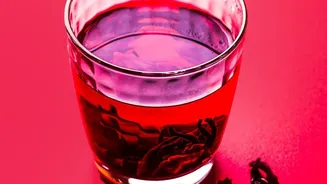

Beyond the Sugar Bomb
Iced tea should be the ultimate refresher on a sweltering day. Yet, too often, it’s a disappointment. Whether store-bought or homemade, the default solution for adding flavour is a heavy dose of sugar or artificially flavoured syrup. These additives tend
to bulldoze the delicate nuances of the tea leaves, replacing complexity with a one-dimensional, cloying sweetness. The result is a sugary beverage that happens to contain tea, rather than a beautifully crafted tea infusion that is refreshingly cold. For tea aficionados and health-conscious drinkers alike, the challenge has been to find a way to enhance cold brews that adds character and depth without resorting to a bottle of syrup. The goal is flavour, not just sweetness. This is where a return to natural botanicals offers a compelling and sophisticated path forward.
The Ancient Secret: What is Vetiver?
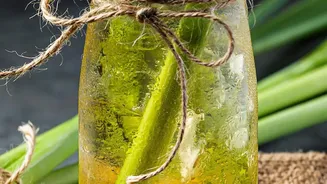
Enter vetiver, a perennial grass native to India scientifically known as Chrysopogon zizanioides. While the grass itself is unassuming, the magic lies in its dense, fragrant root system. In India, these roots are known as 'khus' and have been used for centuries as a natural cooling agent. Traditionally, khus is the star ingredient in sherbets and infused waters, prized for its ability to help the body feel cool from the inside out. But its true power lies in its unique and complex aroma. Unlike simple, sweet flavourings, vetiver offers an intricate profile described as earthy, woody, smoky, and slightly sweet, reminiscent of damp soil after a fresh rain. This deep, grounding fragrance is what makes it a prized ingredient in high-end perfumery and, increasingly, in artisanal beverages.
The Gentle Magic of Cold Steeping
The method of infusion is just as important as the ingredient itself. Hot brewing, while fast, can extract bitter compounds called tannins from both tea leaves and botanicals. This is why a hot-brewed tea that has been chilled can sometimes taste harsh or astringent. Cold steeping, however, is a much gentler process. By infusing ingredients in cold water over several hours (typically 4-12 hours in the refrigerator), the more delicate and volatile aromatic compounds are slowly released without the bitterness. This method is perfectly suited for vetiver. It allows the intricate, earthy notes of the root to unfurl and mingle with the tea, creating a smoother, rounder, and naturally sweeter-tasting infusion. The result is not just flavoured water, but a beverage with layers of aroma and taste that evolve with every sip.
Crafting Your Vetiver-Infused Tea
Transforming your cold brew with vetiver is surprisingly simple. You can find dried vetiver roots at many Indian grocery stores or online specialty herb shops. To begin, thoroughly rinse a small bundle of vetiver roots. For a one-litre batch, a few strands (around 8-10) are enough to impart a noticeable character without overwhelming the tea. Combine your loose-leaf tea and the vetiver roots in a large glass jar or pitcher. Black teas pair wonderfully, as their malty notes complement vetiver’s earthiness, but green teas and herbal blends also work well. Fill the jar with cold, filtered water, seal it, and let it steep in the refrigerator for at least eight hours, or overnight for a fuller flavour. Once steeped, simply strain the infusion and it’s ready to serve over ice. You’ll find the final brew is so flavourful it may not need any sweetener at all.
A Symphony for the Senses
The first thing you’ll notice about a vetiver-infused tea is the aroma. Before you even take a sip, the complex scent—woody, green, and slightly smoky—prepares you for a different kind of beverage. The flavour is subtle yet profound. It doesn't scream for attention like a fruit syrup; instead, it adds a cooling, grounding base note that elevates the inherent flavours of the tea. Many describe the sensation of drinking khus-infused drinks as deeply refreshing and thirst-quenching, going beyond simple hydration. It imparts a clean, lingering finish that is both calming and revitalising. By using vetiver, you’re not just avoiding artificial additives; you’re engaging in a more mindful and sensory experience, creating a drink that is as complex and interesting as a fine wine or perfume.