







The Rise of the Pocket Dermatologist
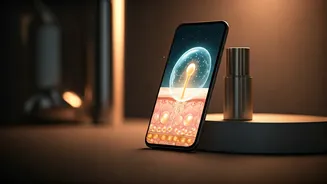
In an era where we expect instant answers, artificial intelligence skin analysis apps have surged in popularity. These applications use your smartphone's camera and machine learning algorithms to analyze photos of your skin. They claim to detect everything
from acne and wrinkles to more serious conditions like melanoma. The process is simple: you snap a picture of a mole, rash, or your entire face, and the app's AI compares it to a vast database of images to provide a risk assessment or identify likely conditions. For many, it’s a convenient first step toward paying more attention to skin health. Some apps even offer personalized product recommendations or connect users with a real doctor for a follow-up.
The Pros: Convenience and Awareness
The primary advantage of these AI tools is accessibility. They offer a quick, low-cost way to get preliminary feedback on a skin concern without having to book a doctor's appointment. This can be especially valuable for people in remote areas or those who face long wait times for specialists. The apps can also be great for tracking changes over time, such as the progress of an acne treatment or the evolution of a mole. By encouraging users to regularly monitor their skin, these apps can promote greater awareness and potentially lead to the earlier detection of issues that warrant a clinical visit. In some controlled studies, AI has even performed at rates comparable to dermatologists for specific tasks, showing the technology's powerful potential.
The Limits: A High Risk of Inaccuracy
Despite the futuristic appeal, the limitations are significant and carry real-world risks. A primary concern is accuracy, which studies have shown to be highly variable and often low. The quality of a smartphone photo can be affected by lighting, angles, and camera quality, all of which can alter the AI's analysis. One major, persistent issue is dataset bias. Many AI models are trained on images that under-represent darker skin tones, leading to a significant drop in performance for individuals with more melanin. This can result in either false reassurance—where the app misses a serious condition—or a false alarm, causing unnecessary anxiety. Studies have shown some apps identify a correct diagnosis in its top guesses only about half the time.
Privacy Concerns and Data Handling
When you upload a photo of your skin, you are also sharing sensitive health data. Many users may not be aware of how this information is stored or used. Investigations into these apps have revealed a widespread lack of transparency. Many apps do not disclose what happens to your photos after analysis, whether they are stored on secure servers, or if they are used for research and further app development. Some app developers have been criticized for unclear subscription models and hidden charges. Without clear regulations, the user's privacy is often at risk, as it's not always clear who has access to your images and personal health information.
What Do Dermatologists Say?
The consensus among medical professionals is clear: these apps are not a substitute for a board-certified dermatologist. While dermatologists acknowledge the potential of AI as a supportive tool in clinical settings—for example, in triaging patients or tracking lesion changes—they warn against relying on consumer-facing apps for diagnosis. Experts express concern that many apps lack sufficient clinician input in their development and are not supported by peer-reviewed evidence. Dr. Daniel Schlessinger, a board-certified dermatologist, advises against using them for diagnosis, stating, “They simply aren't a replacement for a visit to a board-certified dermatologist.” The risk of misdiagnosis or false reassurance from an unvalidated app is too high.