



The Great Grain Renaissance
For generations, millets like jowar, bajra, and ragi were the backbone of the Indian diet. However, with the rise of wheat and rice, they were gradually relegated to rural or traditional pockets. Now, the tables are turning. A renewed focus on health,
a search for sustainable food choices, and a significant push from initiatives like the government-backed International Year of Millets in 2023 have created the perfect storm for their revival. [16, 22] This isn't just about nostalgia; it's a conscious choice by a new generation of consumers who are looking for foods that are good for them and the planet.
Meet the Diverse Millet Family
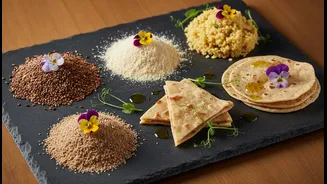
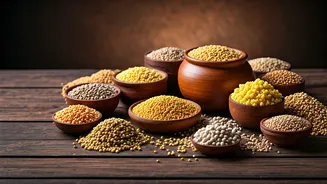
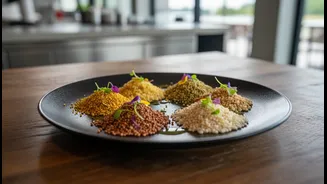
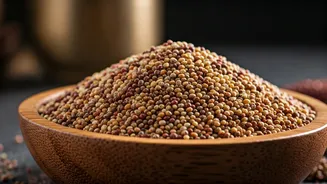
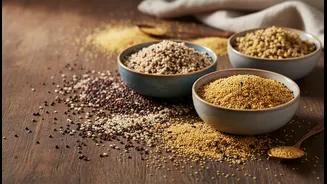
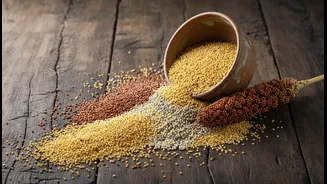
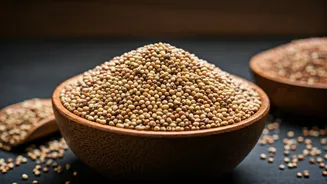
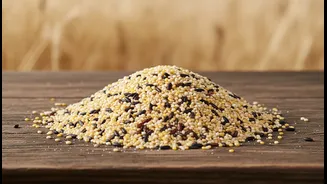
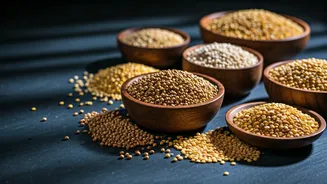
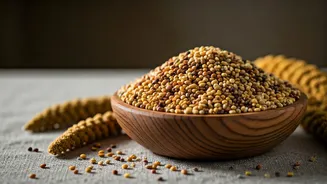
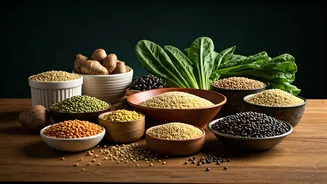
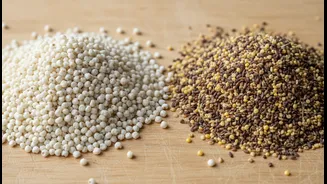
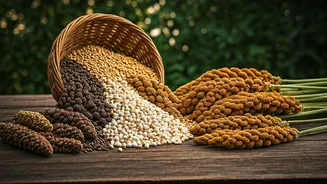
One of the best things about millets is that they are not a monolith. The term refers to a group of diverse small-seeded grasses, each with its own unique flavour, texture, and nutritional profile. [11] Jowar (Sorghum) is a versatile, gluten-free grain perfect for making rotis. Bajra (Pearl Millet) has a nutty flavour and is known for its warming properties, making it a winter favourite. [9] Ragi (Finger Millet) is a powerhouse of calcium, often used to make porridge or dosas. [9] Then there are the minor millets like the fluffy foxtail millet (kangni), the quick-cooking barnyard millet (samak), and the fibre-rich browntop millet, each opening up a new world of culinary possibilities. [2, 11]
The Nutritional Powerhouse
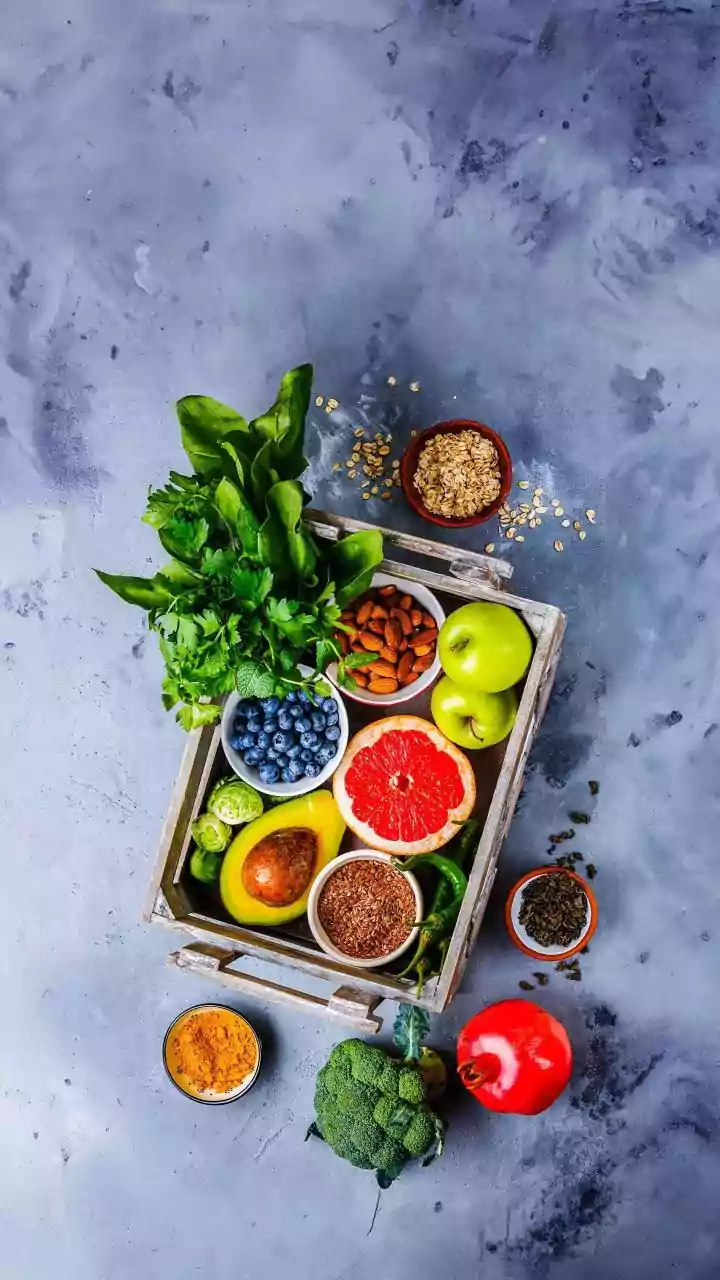
The health credentials of millets are driving their popularity. For those managing their blood sugar, the low glycemic index of most millets is a huge advantage, as it prevents sharp spikes in glucose levels. [2] They are naturally gluten-free, making them an excellent choice for people with celiac disease or gluten sensitivity. Packed with dietary fibre, they promote digestive health and help in weight management by keeping you feeling full for longer. [10] Furthermore, they are a treasure trove of essential minerals like iron, magnesium, and phosphorus, which are vital for everything from preventing anaemia to maintaining strong bones. [12]
Good for You, Better for the Planet
The story of millets goes beyond personal health; it's also about planetary health. These hardy grains are climate-resilient 'super crops'. [3] They require significantly less water than rice and wheat—some estimates suggest up to 70% less. [3, 5] They can thrive in arid conditions and poor soil, making them a lifeline for farmers in drought-prone regions. [5, 8] Because they are naturally resistant to many pests, they reduce the need for chemical pesticides and fertilisers, which is better for the soil and our ecosystems. [6, 7] Choosing millets is a simple way to lower your carbon footprint and support sustainable agriculture. [8]
Beyond Roti: The Modern Millet Makeover
Forget the idea that cooking with millets is difficult or that the dishes are uninspiring. Today, incorporating these grains into your diet is easier than ever. Start simple by swapping rice with foxtail or barnyard millet to make a delicious pulao or upma. [18] Use ragi flour to make crispy dosas, fluffy pancakes, or even healthy cakes and cookies. [20, 25] Brands and startups have flooded the market with millet-based products, from breakfast cereals and pasta to ready-to-eat snacks. This modern makeover has made millets accessible, convenient, and appealing to the urban palate, proving that healthy eating can also be delicious.