


The Science Behind the Sweat
October Heat is a meteorological phenomenon that occurs as the southwest monsoon retreats from the Indian subcontinent. During the monsoon, heavy cloud cover and strong westerly winds from the Arabian Sea keep temperatures in check. As the monsoon withdraws,
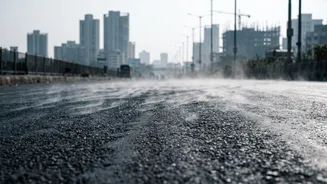
these patterns reverse. The skies clear, allowing for more direct and intense solar radiation to heat the land. Simultaneously, the winds often shift, becoming easterly or northeasterly, which delays the cooling afternoon sea breeze that Mumbai typically relies on. This combination of clear skies, high solar insolation, and a weakened sea breeze causes a sharp spike in daytime temperatures. Compounding the heat is the lingering high humidity from the saturated ground and the coastal environment, making it harder for the human body to cool itself through sweating.
An Urban Dilemma: Why It's Getting Worse
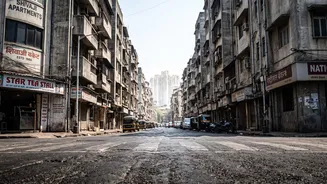
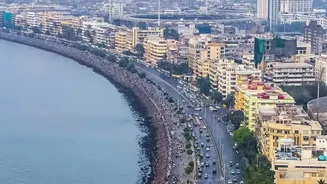
While October Heat is a natural occurrence, its increasing intensity is a cause for major concern, with several man-made factors at play. Chief among them is the urban heat island effect. Mumbai's landscape, dominated by concrete buildings, asphalt roads, and a lack of green spaces, absorbs and retains significantly more heat than natural landscapes. Studies show Mumbai has lost 40% of its green cover and 81% of its open spaces between 1991 and 2018, while the built-up area grew by 66%. This concrete jungle releases stored heat slowly at night, preventing the city from cooling down effectively. On top of this local issue are global trends. Climate change is leading to more erratic monsoon patterns and increasing the frequency and intensity of extreme heat events. Recent heatwaves in Mumbai have seen temperatures soar well above normal, with recent years setting new records for the hottest October days in over a decade.
The Toll on Public Health
The combination of high heat and high humidity is not just uncomfortable; it is dangerous. It puts immense strain on the body, increasing the risk of a range of heat-related illnesses. Dehydration, heat cramps, and heat exhaustion are common, with symptoms including dizziness, excessive sweating, nausea, and headaches. If not addressed, these conditions can escalate to heatstroke, a life-threatening medical emergency where the body's core temperature rises to critical levels, potentially affecting the brain and other organs. Vulnerable populations—such as the elderly, children, outdoor workers, and individuals with pre-existing health conditions like asthma or heart disease—are at particularly high risk. The intense heat can also worsen air quality, further aggravating respiratory issues.
A City Under Strain
The impact of intensifying October Heat extends beyond individual health to the city's core infrastructure. The sweltering temperatures lead to a massive surge in electricity demand as residents and businesses run air conditioners at full blast. This puts a heavy strain on the power grid, often leading to outages and load shedding, which can be disastrous during a heatwave. Water resources also come under pressure, with increased demand for drinking water and for cooling purposes. The phenomenon is a stark reminder of Mumbai's vulnerability to climate change and highlights the urgent need for robust adaptation strategies.
Building a More Resilient Mumbai
Recognizing the growing threat, Mumbai has begun to take action. The Mumbai Climate Action Plan (MCAP), launched in 2022, is a comprehensive roadmap to make the city more climate-resilient, with a goal of reaching net-zero emissions by 2050. The plan acknowledges extreme heat as a primary risk and outlines strategies such as increasing the city's green cover, promoting cool-roof initiatives, and establishing early warning systems and public cooling centres. These initiatives aim to reduce the urban heat island effect and provide relief to citizens during extreme weather events. While these are steps in the right direction, their effective and widespread implementation is crucial for safeguarding the city's future.