





The New Urban Fatigue
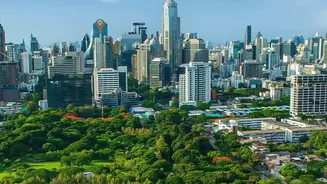
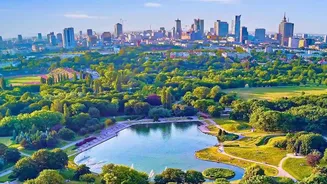
Not long ago, Tier 2 cities were seen as a relaxed alternative to the relentless pace of metros. Today, many of these cities—like Pune, Jaipur, Lucknow, and Coimbatore—are experiencing their own versions of urban sprawl, traffic congestion, and rising
stress levels. As they expand, the very peace that defined them is diminishing, leading residents to seek escape. Studies have shown a clear link between urban pressures and the desire for rural getaways as a stress-relief mechanism. This urban fatigue is a primary driver, pushing people to look for accessible ways to decompress and find quiet, even if just for 48 hours.
A Hunger for Authentic Experiences
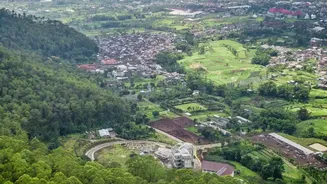
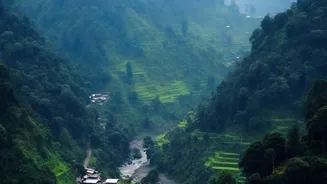
The modern traveller, especially from the millennial and Gen Z demographic, is increasingly looking for more than just a hotel stay. There is a growing appetite for authenticity, connection, and nature. Green retreats, which often include farm stays, eco-lodges, and boutique villas, offer just that. They provide a chance to disconnect from screens and reconnect with the natural world. This trend, sometimes called 'micro-tourism', focuses on local immersion—enjoying farm-to-table food, breathing cleaner air, and experiencing a simpler way of life. The appeal lies in swapping the noise of traffic for the sounds of nature and engaging in activities like organic farming, pottery, or simply reading a book in a hammock.
Accessibility Is King
The boom in weekend getaways is also a story of infrastructure and logistics. Improved road networks and highways radiating from Tier 2 cities have drastically cut down travel times. Coupled with increased car ownership, a weekend trip that once seemed like a major expedition is now a simple drive away. The hospitality industry has responded swiftly, with a proliferation of high-quality, locally-run properties that are easy to book online. This ease of access removes the friction from travel planning, making spontaneous trips not only possible but frequent. Reports indicate that travel bookings from non-metro regions have surged, partly because locals themselves are exploring destinations within a 100-200 km radius.
The 'Workation' and Wellness Effect
The post-pandemic normalisation of remote and hybrid work has been a game-changer. With many professionals no longer tethered to an office five days a week, the weekend has become more flexible. Leaving for a retreat on a Friday afternoon or returning on a Monday morning while still being able to log in for work has made these short trips more appealing. Furthermore, these getaways are increasingly viewed as a form of preventive healthcare. The wellness tourism market in India is booming, with travellers actively seeking out yoga, meditation, and digital detox programs to combat burnout and digital fatigue. These retreats are no longer just a luxury but are seen as a necessary tool for maintaining mental and spiritual well-being.
Smarter Economics, Deeper Rewards
Compared to a full-fledged vacation involving flights and long itineraries, short-drive retreats offer a more affordable and sustainable way to relax. They provide the mental benefits of a holiday without the significant expense or planning stress. This trend also benefits local economies, supporting small business owners and promoting eco-tourism. For travellers in Tier 2 cities, these getaways strike an ideal balance: they satisfy the urge to travel and explore but do so in a way that is frequent, restorative, and economically sensible, delivering a high return on investment for both time and money.