





The Manchester of South India
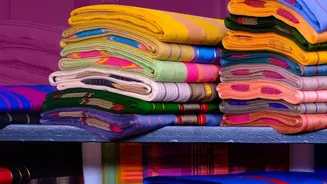
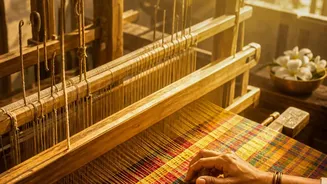
Coimbatore's industrial story begins with a single thread: cotton. Thanks to the region's fertile black soil, ideal for cotton cultivation, the city became a nerve centre for the textile trade. The first spinning mill was established in 1888, sparking
an industrial boom. This rapid growth in textile production earned Coimbatore its famous moniker, 'The Manchester of South India', as it mirrored the industrial journey of its British counterpart. The real game-changer arrived in the 1930s with the commissioning of the Pykara hydroelectric project, which provided abundant and reliable electricity. This energy surplus didn't just fuel the textile mills; it powered the city’s ambition to move beyond them.
From Textiles to Foundries and Pumps
The thriving textile mills required constant maintenance. Workshops that initially started to repair imported British machinery soon developed the expertise to create their own spare parts. This laid the groundwork for a robust foundry and engineering sector. Local entrepreneurs, displaying a characteristic spirit of self-reliance, began reinvesting profits from textiles into new ventures. The most significant of these was the motor and pump industry. Visionaries like G.D. Naidu pioneered the production of India's first indigenous electric motors in the 1930s to help farmers draw water for irrigation. Today, Coimbatore is a dominant force in this sector, manufacturing over 40% of India's pumps and motors, earning it the nickname 'Pump City'.
An Ecosystem of Entrepreneurship
What truly defines Coimbatore is its deeply ingrained culture of entrepreneurship. The city is home to more than 25,000 small, medium, and large industries, many of which started as family-run workshops and grew into global players. This spirit is perfectly captured by the story of the Coimbatore Wet Grinder. Invented in 1955 by P. Sabapathy as a way to ease his wife's domestic labour, this humble appliance sparked a massive cottage industry. Today, with over 700 manufacturers, Coimbatore produces the vast majority of wet grinders in India, a product so unique to the region that it has been granted a Geographical Indication (GI) tag. This ecosystem is supported by influential organisations like the Coimbatore District Small Industries Association (CODISSIA), which has been crucial in nurturing MSMEs since its establishment in 1969.
Engineering the Future
Coimbatore's manufacturing DNA continues to evolve. While textiles and pumps remain pillars of its economy, the city's engineering expertise has diversified into high-tech sectors. It is now a significant hub for manufacturing automobile components for major national and international brands. The same precision engineering skills honed over decades are now being applied to the aerospace and defence industries. Local companies like Lakshmi Machine Works (LMW), once known only for textile machinery, now manufacture critical components for clients like ISRO, Boeing, and Dassault. This move into advanced manufacturing is complemented by a burgeoning IT sector, making Coimbatore the second-largest software producer in Tamil Nadu. In recent years, local industries have committed significant investments in emerging sectors like defence, electric vehicles, and aerospace, signalling a new chapter in the city's industrial saga.