








The Limits of a Tech-Only Solution
For years, the answer to climate change seemed to lie in engineering and innovation: more efficient solar panels, bigger wind turbines, and better batteries. While these advancements are indispensable, experts increasingly acknowledge they are only one
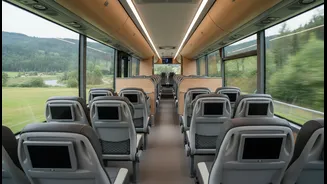
part of the puzzle. The Intergovernmental Panel on Climate Change (IPCC) has highlighted that even with viable technologies, the pace of adoption is too slow. The reason often isn't a lack of technical feasibility but a complex web of social, economic, and political barriers. Think of it this way: a city can have a plan for a fleet of electric buses, but if the public transport routes don't serve the communities that need them most, or if the political will to fund the transition falters, the electric buses remain a blueprint. This gap between what is technically possible and what is socially implemented is where the new wave of climate research is focusing its attention.
Enter the Social Sciences
Climate change is now understood as a deeply human problem. To that end, research is expanding to include disciplines like behavioral science, economics, political science, and sociology. Behavioral science helps us understand why people make the choices they do—from the food they eat to the transportation they use—and how to design policies that nudge them toward more sustainable options. Economists are crucial for calculating the costs and benefits of climate action, designing carbon pricing that works, and understanding the financial risks of inaction. Political scientists, meanwhile, study how climate policies are formed, why they sometimes fail, and what creates the political will for durable change. By integrating these fields, researchers get a much fuller picture, recognising that climate change is not a problem external to society but one that is embedded within our social systems and behaviours.
Putting People at the Centre
This new approach puts people and their lived experiences at the heart of climate solutions. One of the most critical areas is the concept of a 'Just Transition'. This principle ensures that the shift to a green economy is fair and doesn't leave behind workers and communities that currently depend on fossil fuel industries. In India, for example, research projects are underway to map the livelihoods of those in coal-dependent regions like Uttar Pradesh and Jharkhand to develop plans for sustainable economic diversification and reskilling programs. Another focus is on how climate change impacts vulnerable populations. The 'Just Transitions on Indian Streets' (JusTIS) project, for instance, studies how street vendors and informal transport workers in cities like Delhi and Bengaluru experience climate impacts and seeks to include their voices in urban planning for a more equitable future. This kind of research moves beyond simply identifying risk to actively co-creating solutions with the communities most affected.
From Awareness to Action
The ultimate goal of this expanded research is to bridge the gap between public awareness of climate change and meaningful, sustained action. Studies have shown that simply presenting people with scary facts about the future can lead to inaction and fear rather than motivation. Social science research helps design communication strategies that connect with people's values and everyday concerns. It focuses on building public support for new policies and empowering people as active participants in the transition. By understanding the human drivers of greenhouse gas emissions—from consumption patterns to urbanisation—and how people respond to different interventions, policies can be designed to be more effective from the start. It’s about creating a new story of climate action—one not just of crisis, but of shared potential and progress.