



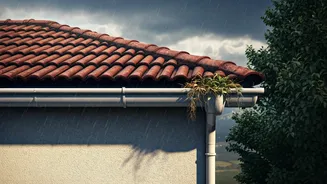




1. Secure Your Roof and Terrace
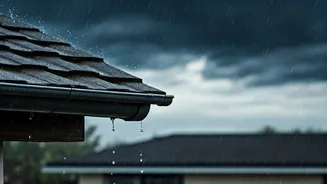
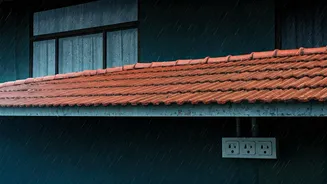
Your roof is the first line of defence against torrential rain. Before the downpour begins, make it a priority to thoroughly inspect your roof and terrace for any cracks, loose tiles, or gaps. These small issues can quickly become major sources of leakage,
leading to damp ceilings, peeling paint, and damaged interiors. Clear away any debris, leaves, or dirt that may have accumulated, as this can block water flow and cause it to pool. If you find any cracks, use a quality waterproof sealant to fill them. For more significant damage, it's wise to call a professional. A pre-monsoon waterproofing treatment can be a game-changer, providing a protective layer that keeps your home dry and secure all season long.
2. Check Walls for Cracks and Seepage
Don't just look up; look around. Exterior walls are constantly exposed to the elements and can develop cracks over time. During the monsoon, water can seep into these cracks, causing damp patches, mould growth, and weakening the structure of your home. Take a walk around your property and carefully examine the walls for any signs of damage. Pay close attention to the areas where pipes enter or exit the building. Use a waterproof cement mixture or exterior-grade filler to seal any visible cracks. Applying a fresh coat of waterproof paint on your exterior walls not only enhances your home's appearance but also adds an extra layer of protection against moisture.
3. Clear Drains and Gutters
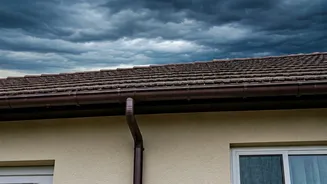
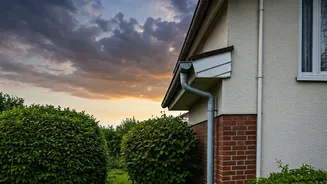
This is one of the most crucial and often overlooked tasks. Clogged drains and gutters are a primary cause of waterlogging around the house and on the terrace. When rainwater has nowhere to go, it can back up and find its way into your home's foundation or through your doors. Before the rains set in, ensure all drains, gutters, and rainwater pipes are completely clear of leaves, plastic bags, and other debris. Pour a bucket of water down them to check for smooth flow. This simple act can prevent your driveway from turning into a pond and protect your home from potential water damage.
4. Seal Doors and Windows
Wind-driven rain can easily find its way through gaps in window frames and under doors. This not only lets water in but can also damage wooden frames and furniture. Inspect all your doors and windows. Check if the wooden ones have swollen or if there are gaps in the frames. Consider adding rubber strips (weatherstripping) to the edges of windows and doors to create a tighter seal. For sliding windows, ensure the drainage holes at the bottom of the track are clear. If you have wooden furniture near windows, it’s a good idea to move it or cover it during heavy spells of rain.
5. Prioritise Electrical Safety
Water and electricity are a deadly combination. The monsoon season sees a spike in electrical mishaps, making this check non-negotiable. Get a qualified electrician to inspect your home's wiring. Look for any exposed wires and have them fixed immediately. Ensure all outdoor wiring, like for garden lights or gate motors, is properly insulated. Check that your home’s earthing system is functioning correctly to prevent shocks. Installing an Earth Leakage Circuit Breaker (ELCB) or a Residual Current Circuit Breaker (RCCB) is a wise investment, as it can automatically cut off the power supply in case of a leakage, preventing serious accidents.
6. Prepare Your Outdoor Spaces
Your balcony, garden, or patio also needs attention. Heavy winds can turn loose items into dangerous projectiles. Secure any potted plants, or move smaller ones indoors. If you have outdoor furniture, either cover it with waterproof sheets or store it in a sheltered area to protect it from rust and damage. Prune any large trees or overgrown branches near your house that could potentially break and fall on your roof or windows during a storm. Ensuring your outdoor spaces are clear and secure will not only protect your property but also ensure the safety of those around you.
7. Assemble a Monsoon Emergency Kit
Sometimes, despite all preparations, the monsoon can bring power cuts or cause you to be stuck at home. Being prepared can make a huge difference. Assemble an emergency kit with essentials like a powerful torch, extra batteries, a power bank for your phone, a first-aid box with basic medicines, and some non-perishable snacks. It's also a good idea to have a stock of candles and matchboxes. Keeping a list of emergency contacts, including the local electricity board and disaster management office, handy is also a smart move. This kit will give you peace of mind, knowing you are ready for any inconvenience.