




Tackling Mould and Mildew
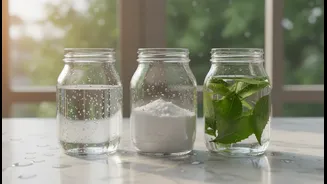
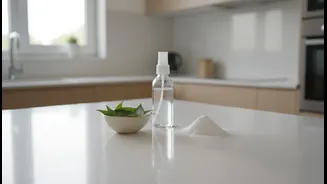
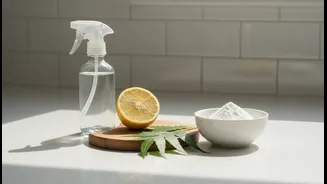
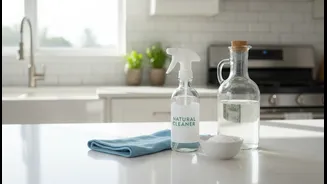
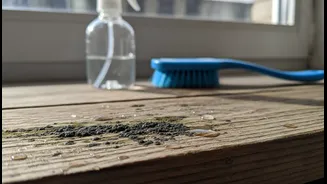
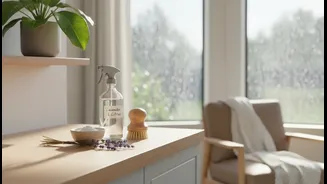
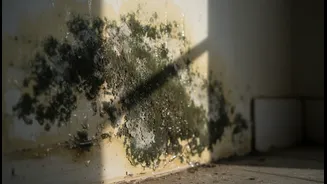
The appearance of black, green, or white patches on walls and surfaces is a classic monsoon problem. For small, surface-level spots on tiles or non-porous surfaces, a DIY approach can be very effective. A spray bottle filled with undiluted white vinegar
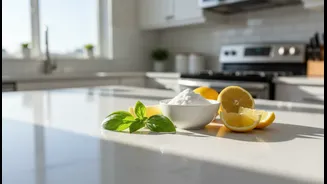
is a great starting point; its acetic acid can kill a majority of mould species. Spray the area, let it sit for an hour, then scrub with a brush and hot water. A paste of baking soda and water can also be used as a gentle abrasive scrub for affected areas. However, DIY solutions have their limits. If the mould covers a large area (more than a few square feet), returns quickly after cleaning, or if you smell a strong musty odour but can't see the source, it could indicate a deeper problem within the walls. In these cases, it is best to consult a professional for mould remediation to ensure it is removed safely and permanently.
Banishing Musty Odours
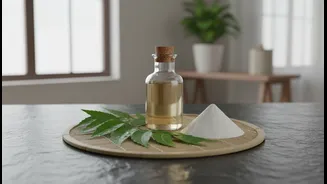
High humidity is the main reason even clean clothes and closets start smelling musty. DIY solutions are excellent for managing these odours. Placing bowls of rock salt, charcoal briquettes, or even baking soda in damp corners, closets, and rooms can help absorb excess moisture and neutralise smells. For musty clothes, adding half a cup of white vinegar or baking soda to your laundry rinse cycle works wonders to neutralise odours without leaving a scent. You can also place camphor or pouches of dried neem leaves in wardrobes as a traditional and effective moisture absorber and repellent. These methods are great for maintenance, but if an entire room has a persistent damp smell, it might point to a larger issue like a water leak or poor ventilation that requires more than just odour absorption. Using a dehumidifier can be a more powerful, albeit non-DIY, solution for chronic humidity.
Caring for Wooden Furniture
Wood is hygroscopic, meaning it absorbs moisture from the air, which can cause it to swell, warp, or develop mould during the monsoon. Regular, gentle care is the best DIY defence. Wiping furniture daily with a soft, dry cloth is essential to prevent moisture from settling on the surface. To prevent dampness from seeping in from walls, move your wooden pieces a few inches away from them. Placing silica gel packets or camphor inside drawers and cabinets can also help absorb trapped moisture. For minor mould spots on wood, a wipe-down with a cloth lightly dampened with a diluted vinegar solution can work, but it's crucial to dry the area immediately. However, if you notice significant swelling, joints becoming loose, or large patches of fungus, DIY may not be enough. These are signs of deeper moisture damage that might require professional restoration to prevent permanent harm to the furniture.
Keeping Monsoon Pests at Bay
The rainy season forces pests like ants, cockroaches, and mosquitoes to seek shelter indoors. Many natural, DIY repellents can effectively manage minor invasions. Drawing lines of cinnamon powder can deter ants, while placing cloves in your pantry can keep them away from food. A few bay leaves in dark corners and cabinets can help repel cockroaches, who dislike the smell. For flies, a lemon cut in half with cloves stuck in it is a classic repellent. These natural methods are safe and work well for keeping casual intruders out. However, a widespread infestation, such as a large ant colony, a nest of cockroaches, or termites in your furniture, is not a DIY job. In such situations, the problem has likely established a foothold in your home, and professional pest control is necessary to eradicate it effectively and safely.
When DIY Is Not the Answer
DIY solutions are fantastic for daily maintenance and minor issues, but it's crucial to recognise when a problem is beyond their scope. Persistent dampness on walls, for example, is a major red flag. This often points to structural issues like leaking pipes or cracks in the exterior walls that need to be fixed by a professional. Similarly, while you can clean small mould patches, a large-scale infestation requires professional intervention due to potential health risks. For electrical appliances that have been exposed to dampness or show signs of malfunction, never attempt a DIY fix; always call a qualified electrician. The key is to use DIY for prevention and small-scale cures, but to escalate to professionals when the problem is persistent, widespread, or involves structural, electrical, or significant pest issues.