


The Brains Behind the Magic
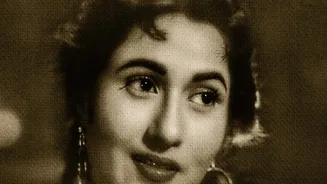
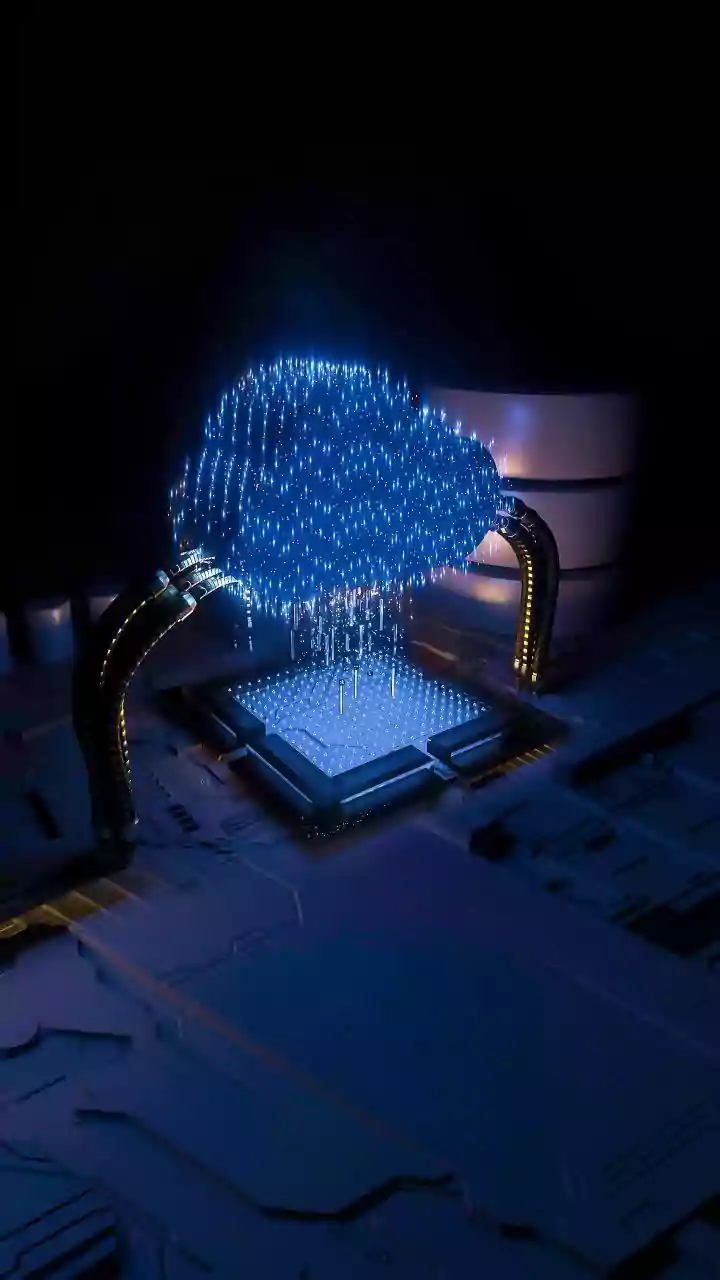
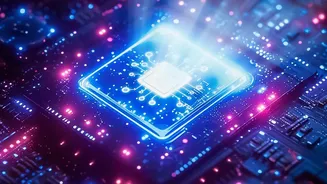
At the heart of AI photo restoration are complex systems called neural networks. Think of them as digital brains trained on a massive diet of images. Developers feed these networks millions of pairs of 'before and after' photos—one damaged, one professionally
restored. Through this process, called deep learning, the AI learns to recognize patterns of damage like scratches, fading, and poor exposure. It doesn't just apply a simple filter; it analyzes the content of the photo, understands what a face or a background should look like, and intelligently reconstructs the damaged parts pixel by pixel.
Balancing Light and Shadow
One of the most common issues with old photos is poor exposure. Some parts are too dark, while others are washed out. AI plugins tackle this by analyzing the photo's histogram—a map of its light and dark tones. Instead of just making the entire image brighter or darker, the AI makes localized adjustments. It can lift the shadows to reveal details in a dark corner while simultaneously recovering the lost texture in a bright, overexposed sky. This intelligent correction mimics what a professional editor would do manually, but accomplishes it in seconds. The result is a balanced image that feels more natural and lifelike.
Erasing the Blemishes of Time
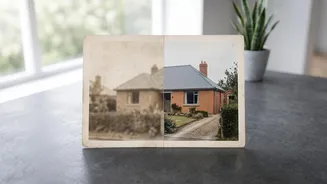
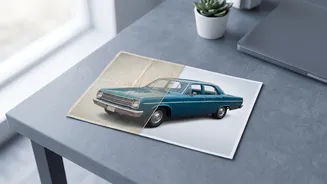
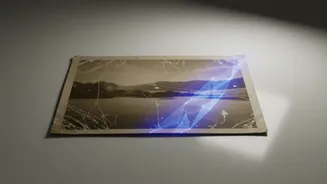
Age spots, dust, scratches, and chemical stains are the tell-tale signs of a photograph's long life. AI models excel at removing these imperfections through a process often called 'inpainting'. The AI is trained to identify what is part of the original photo (like skin texture) and what is damage (like a scratch or a spot). It then 'fills in' the blemished area with new pixels that realistically match the surrounding context, whether it's the pattern of a shirt, the texture of a wall, or the soft focus of a background. For faces, specialized models focus on restoring features without making them look artificial or 'plastic'.
From Faded to Vibrant
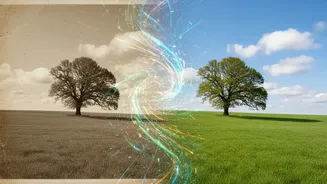
Beyond just repairs, many AI plugins also offer automatic colorization. For black-and-white photos, the AI doesn't just guess at colors. By referencing its vast database, it makes educated predictions. It knows that skies are typically blue, foliage is green, and it has learned the subtle variations in skin tones. While not always perfectly accurate, modern AI colorization can bring a surprising level of realism and emotional impact to a monochrome image, transforming a historical document into a vibrant memory. Some tools even offer modes to preserve an authentic, less saturated look.
Knowing the Limitations
While impressive, AI is not a magic wand. Its results are only as good as the information it's given. If an original photo is extremely blurry, has large missing sections, or features very small faces in a group shot, the AI may struggle or invent details that weren't there. A tear across a face, for example, can be smoothed over, but the AI cannot truthfully recreate the features that are completely gone. For this reason, many professionals view AI as a powerful tool to assist in restoration, not as a complete replacement for human judgment and artistry, especially for irreplaceable images.