




The High-Stakes Scramble for Minerals
Critical minerals like lithium, cobalt, nickel, and rare earth elements are the lifeblood of a modern economy. They are essential for everything from electric vehicle (EV) batteries and solar panels to semiconductors and advanced defence systems. For
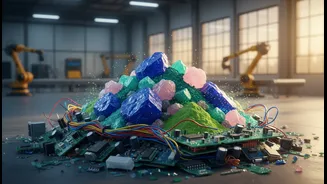
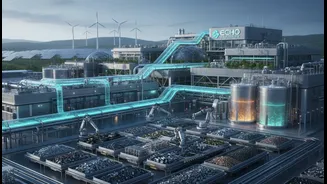
India, securing a stable supply of these materials is not just an economic goal, but a strategic imperative to fuel its 'Make in India' and clean energy ambitions. Currently, India is heavily import-dependent for these resources, leaving it vulnerable to volatile global prices and geopolitical supply chain disruptions. Recognizing this, the government has launched the National Critical Mineral Mission, including a ₹1,500-crore incentive scheme to bolster domestic recycling capabilities. The idea of 'urban mining' — recovering valuable materials from waste — is positioned as a key pillar to achieve self-reliance, with industry committing to recycling capacities that far exceed initial targets.
The Chemistry Puzzle: Not All Batteries Are Equal
A major complication in the recycling dream is battery chemistry. The composition of lithium-ion batteries is not standard; it's a constantly evolving field. For years, nickel-manganese-cobalt (NMC) batteries were dominant, their high content of valuable cobalt and nickel making them economically attractive to recycle. However, the market is rapidly shifting towards Lithium Iron Phosphate (LFP) batteries, especially in the EV sector, due to their lower cost, longer life, and improved safety. The problem is that LFP batteries lack the high-value cobalt and nickel, making the unit economics of recycling them far less profitable. This creates a business model challenge: as the most common type of new battery becomes less lucrative to recycle, how do companies sustain profitable operations? Any effective recycling strategy must therefore be agile enough to handle a diverse and changing mix of battery chemistries, which requires sophisticated and flexible technology.
India's E-Waste Mountain and the Collection Conundrum
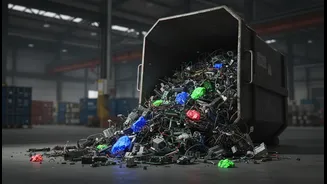
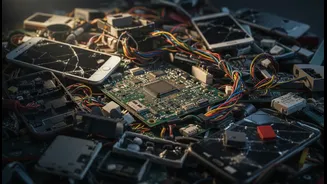
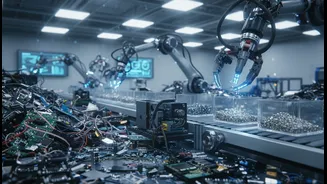
India is one of the world's largest generators of electronic waste, but a vast majority of this waste is not formally collected or processed. Estimates suggest that less than 20% of e-waste enters the formal recycling chain, with the rest being handled by the informal sector. While the government's Extended Producer Responsibility (EPR) rules mandate collection and responsible recycling, the on-ground reality is a logistical bottleneck. Without a reliable and scaled-up system to collect, segregate, and transport spent batteries and electronics from millions of consumers and small businesses to certified recycling facilities, even the most advanced plants will be starved of feedstock. This 'last-mile' collection problem is a critical barrier. Integrating the informal sector, enhancing consumer awareness, and building a robust reverse logistics network are essential steps to ensure a steady supply of material for the nascent urban mining industry.
The Engineering Bottleneck: Finding the Right Process
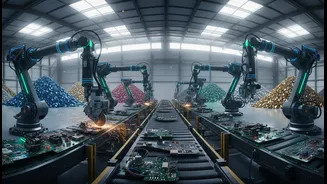
Once a battery is collected, extracting the minerals is a complex engineering challenge. The two main methods are pyrometallurgy (using high heat) and hydrometallurgy (using chemical solutions). Pyrometallurgy is energy-intensive and can result in the loss of some valuable materials like lithium. Hydrometallurgy is often more precise and less energy-hungry but can involve harsh chemicals and complex wastewater treatment. There is no one-size-fits-all solution. The optimal process depends on the battery chemistry, scale of operation, and environmental regulations. For India, the challenge is to invest in and scale up process engineering technologies that are not only efficient at extraction but also economically viable and environmentally sound. This requires significant R&D, developing homegrown patents, and creating technologies that can handle India's specific waste streams, moving beyond simply producing 'black mass' (a crushed mixture of battery materials) to extracting high-purity metals ready for reuse in new batteries.