







Plastic Control Becomes Easier to See in Kerala's Tourism Strategy
Kerala is making its fight against plastic pollution a visible part of its tourism strategy, cleaning up its iconic landscapes for visitors and locals.
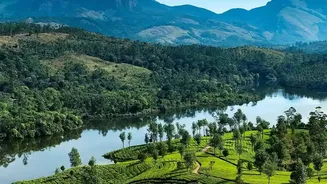
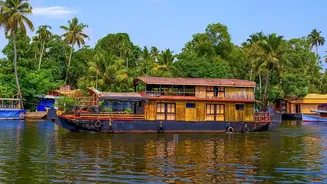
Known globally as ‘God’s Own Country’, Kerala’s allure lies in its pristine backwaters, lush hills,
and serene beaches. But this paradise has been under threat from plastic pollution. Now, a concerted effort is making the change easy to see.
Paradise Under Pressure
For years, the very beauty that drew millions of tourists to Kerala was being compromised. Popular destinations from the misty hills of Munnar to the sun-drenched shores of Kovalam were grappling with a rising tide of plastic waste. Discarded water bottles, food packaging, and carry bags were becoming an unwelcome feature in fragile ecosystems, threatening wildlife and tarnishing the state's green reputation. The problem was clear: to protect its most valuable asset—its natural splendour—Kerala needed a strategy that was both comprehensive and highly visible.
The Green Protocol Takes Root
The state's response is anchored in its award-winning Responsible Tourism (RT) Mission, a framework designed to make tourism sustainable and community-centric. A key component of this is the 'Green Protocol,' a set of principles aimed at reducing waste and eliminating single-use plastics. This isn't just a top-down mandate; it's a collaborative effort involving government bodies, local communities, and the tourism industry. The goal extends beyond simple clean-up drives to fundamentally change how tourism operates, shifting from a disposable culture to a sustainable one. In June 2024, the RT Mission reinforced this with a campaign themed 'No more plastic in travel.'
From Policy to Visible Practice
The most tangible changes are happening at major tourist hotspots. Following a High Court directive in 2025, a ban on many single-use plastic items was enforced in ten key hill stations, including Munnar and Thekkady. Visitors entering these zones now encounter checkpoints where their vehicles are inspected for banned plastics. Inside, plastic water bottles have been replaced with glass bottles in hotels and resorts, and businesses are encouraged to use locally made, eco-friendly alternatives like cloth bags. In places like Kumarakom, the bird sanctuary has been declared a plastic-free zone, a move that is being replicated across other sensitive areas.
Meet the Green Marshals
To ensure these rules are followed, Kerala began deploying 'Green Marshals' in July 2026 at major destinations like Munnar, Alappuzha, and Kovalam. These uniformed representatives are more than just enforcers; they act as environmental stewards. Their role is to guide tourists, promote responsible travel habits, prevent littering, and connect visitors with eco-friendly local businesses. By shifting destination management from a reactive clean-up model to proactive care, the Green Marshals provide a visible, human element to the state's sustainability push, helping to 'discipline' visitors and maintain cleanliness. They are a clear sign to any tourist that Kerala is serious about protecting its environment.
Community at the Core
The strategy's success lies in its community involvement. The Responsible Tourism Mission actively works with local self-help groups like Kudumbashree to produce alternatives to plastic, such as paper and cloth bags. This not only solves a supply problem but also creates income and livelihood opportunities for local people, particularly women. Hotels, homestays, and tour operators are also key partners, with many pledging to go completely plastic-free. By making local communities stakeholders in conservation, the initiative ensures that the economic benefits of tourism go hand-in-hand with environmental preservation.