




The Hidden Power of the Peel
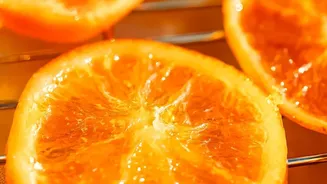
Before you dismiss it as bitter and tough, consider what you're throwing away. Orange peel is packed with beneficial compounds. It contains significant amounts of vitamin C—in some cases, more concentrated than the fruit's pulp—along with dietary fibre,
which aids digestion. The peel is also rich in polyphenols and flavonoids like hesperidin, powerful antioxidants that support overall health. While eating large amounts of raw peel can be tough on your stomach due to its fibrous texture, the process of making marmalade softens the rind and makes its nutritional benefits more accessible and enjoyable.
Choose Wisely, Wash Thoroughly
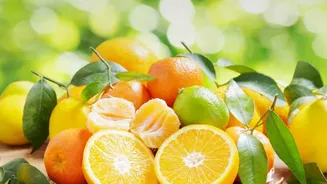
Since you’ll be consuming the entire peel, sourcing your fruit is the most important first step. Whenever possible, opt for certified organic and unwaxed oranges. Conventional citrus fruits can be treated with pesticides and fungicides, and these residues are often most concentrated on the peel. While washing helps, some chemicals can be absorbed into the peel itself. If you can't find organic oranges, give your conventional fruit a thorough cleaning. A good scrub under running water is a start. Some sources recommend soaking the fruit in a solution of water with a little vinegar or baking soda before scrubbing and rinsing to help remove surface residues.
The Marmalade Method: A Simple Guide
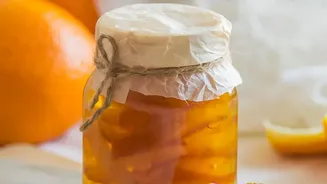
Making marmalade isn't nearly as intimidating as it sounds. The basic process involves simmering the peels to soften them, then cooking them with sugar and citrus juice until a gel forms. Citrus fruits are naturally high in pectin, the substance that makes jams and jellies set, especially in the pith and seeds. Start by thinly slicing the peel from two to three large oranges. To reduce bitterness, you can boil the peels in water for about 10 minutes and then drain them; some recipes call for doing this two or three times. Then, combine the softened peels in a pot with the juice of the oranges, the juice of one lemon (for added pectin and brightness), and an equal amount of sugar to fruit mixture by weight or volume. Bring everything to a slow boil, then reduce the heat and simmer, stirring occasionally, until the mixture thickens. This can take anywhere from 45 minutes to over an hour.
Achieving the Perfect Set
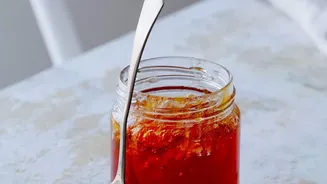
How do you know when your marmalade is ready? There are two reliable tests. The first is the temperature test: a digital thermometer should read approximately 105°C, the magic number for a gel to form. The second, more traditional method is the 'frozen plate' test. Before you start cooking, place a few small plates in your freezer. When you think the marmalade is close, drop a small spoonful onto a frozen plate and let it cool for a minute. Nudge it with your finger; if it wrinkles and holds its shape, it's ready. If it's still runny, continue simmering and test again in another five minutes. Remember that the marmalade will continue to thicken as it cools in the jar.
Beyond the Breakfast Toast
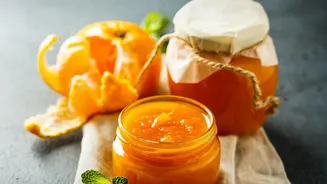
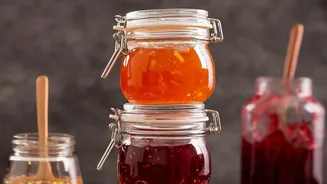
Once you have a jar of this golden preserve, you’ll find it’s more versatile than you might think. Its bright, slightly bitter profile makes it a fantastic glaze for roasted chicken or pork. You can whisk a spoonful into a vinaigrette to dress a fresh salad, or use it as a surprise filling in cakes and muffins. It’s also a sophisticated addition to a cheese board, pairing beautifully with sharp cheddar or creamy goat cheese. By transforming your would-be food scraps into this flavourful condiment, you’re not just making a treat; you’re adopting a more sustainable and resourceful approach to cooking.