




Swap Plastic Containers for Steel and Glass
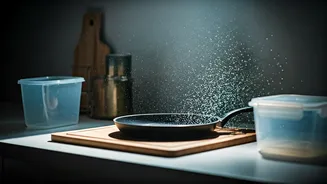
Plastic containers, especially when scratched or old, can release microplastics into food. This is particularly concerning when storing hot, oily, or acidic foods, common in Indian cooking. Microwaving food in plastic is a significant source of particle
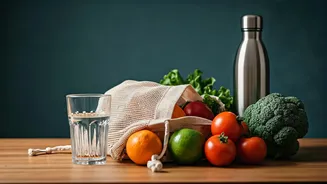
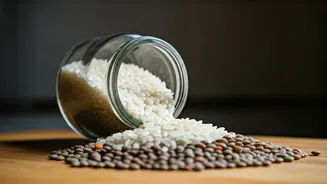
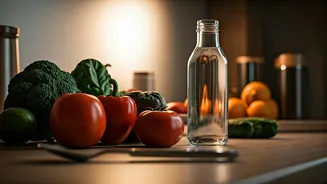
release. The good news is that many Indian households already have the best alternatives: stainless steel and glass. Make a conscious effort to store leftovers, pack tiffins, and keep your masalas and dals in steel or glass jars. These materials are non-reactive, don't leach chemicals, and won't absorb food stains or odours.
Rethink Your Cutting and Cooking Tools
Every chop on a plastic cutting board can shed thousands of tiny plastic particles into your vegetables. Studies have shown this can be a substantial source of microplastics in our diet. A simple and effective switch is to use a traditional wooden or bamboo chopping board. Similarly, be mindful of your cooking utensils. Plastic spatulas and spoons can degrade when used with hot oil or in hot pans, releasing particles into your food. Opt for stainless steel or wooden spoons and turners, which are durable and safer for cooking.
Be Mindful of Packaged Goods
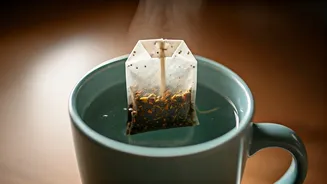
Recent studies have raised concerns about the presence of microplastics in staple Indian food items like packaged salt and sugar. While this is a larger supply chain issue that regulators like FSSAI are beginning to address, you can take small steps. When possible, buy items in bulk to reduce packaging. Choose brands that use paper or glass packaging over plastic. Even some tea bags, especially the silky mesh types, are made of plastic and can release particles when steeped in hot water. Switching to loose-leaf tea with a metal strainer is a healthier alternative.
Filter Your Drinking Water
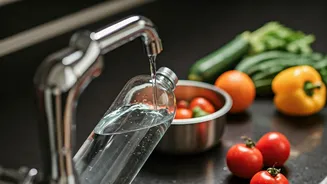
Both tap water and bottled water can be sources of microplastic contamination. Research has found that bottled water often contains significantly higher levels of microplastics than tap water. Investing in a good water filter for your home can help reduce your intake. Filters with reverse osmosis or those certified to remove small particles can be effective. Using a reusable stainless steel or glass bottle for drinking water instead of buying single-use plastic bottles is another crucial step.
Choose Natural Cleaning Supplies
The fight against microplastics extends to how we clean. Many common kitchen sponges and scrubbing pads are made of plastic. As they wear down, they shed microplastic fibres that wash down the drain and can also get onto your dishes and surfaces. Synthetic cleaning cloths, often made of polyester, also release microplastics during use and washing. Consider switching to natural alternatives like coconut coir scrubbers, loofah sponges, or cotton dishcloths. These are effective, biodegradable, and won't contribute to plastic pollution in your home.