





What Exactly is Kokum?
Kokum, or *Garcinia indica*, is a fruit native to the Western Ghats of India, particularly along the Konkan coast. It belongs to the same family as the mangosteen. When fresh, the fruit is a vibrant red or dark purple, but it’s most commonly found in its
dried form. The outer rind is dried in the sun, turning it into a deep purplish-black, leathery covering. This dried kokum is what's used in most culinary applications. It has a unique, slightly floral and sour flavour that is distinct from tamarind or lemon. You might also find it as a ready-to-use concentrate or syrup, which makes preparing a drink even easier.
A Symphony of Tang and Tradition
For centuries, kokum has been a staple in the kitchens of Maharashtra, Goa, and parts of Karnataka and Gujarat. Its primary role is as a souring agent, lending a specific type of tang to curries and dals that is less aggressive than tamarind. In Goan cuisine, it’s essential for fish curries, balancing the richness of coconut milk. In Maharashtra, it’s the star ingredient of *sol kadhi*, a beautiful pale pink digestive drink made with coconut milk and kokum. This deep culinary integration speaks to its versatility and the beloved flavour profile that has been passed down through generations. It’s a taste of tradition, offering a complex sourness that is both refreshing and deeply satisfying.
More Than Just a Refreshing Taste
Beyond its culinary uses, kokum is celebrated for its wellness properties in Ayurveda and traditional home remedies. The fruit is a powerhouse of antioxidants, which help combat oxidative stress in the body. It’s particularly known for its cooling effect, making it a natural choice for beating the summer heat and preventing heat-related issues like dehydration and sunstroke. The active compound, garcinol, found in the rind has been studied for its anti-inflammatory properties. Furthermore, kokum is widely regarded as an excellent digestive aid. A glass of kokum sharbat after a meal is believed to soothe the stomach, improve appetite, and alleviate acidity. While it’s not a magic cure, its reputation as a wholesome, natural ingredient is well-earned.
Crafting the Ultimate Kokum Cooler
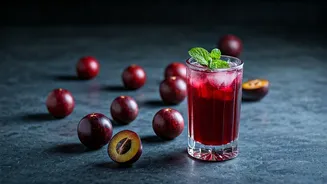
Making your own kokum cooler, or sharbat, at home is incredibly simple. You’ll need a handful of dried kokum pieces (about 8-10). Start by soaking them in a cup of warm water for about an hour. As they soak, the water will turn a beautiful ruby red. Once softened, squeeze the kokum pieces with your hands to extract all the pulp and flavour into the water. Strain this concentrated liquid into a pitcher. Now, it’s time to balance the flavours. Add about four cups of cold water to the concentrate. Stir in sugar or jaggery to your desired level of sweetness. A crucial step is adding a pinch of black salt (*kala namak*) and roasted cumin powder (*bhuna jeera*). These spices elevate the drink from just sweet and sour to a truly complex and savoury cooler. Stir everything well, chill, and serve over ice with a fresh mint leaf for garnish.
Beyond the Sharbat Glass
Don’t let your kokum journey end with the cooler. This versatile ingredient has so much more to offer. You can use the dried peels to add a tangy kick to your lentil dals or vegetable curries—just add a few pieces while cooking and remove them before serving. The aforementioned *sol kadhi* is another must-try; it’s a soothing and flavourful beverage that’s the perfect end to a spicy meal. Some people also make kokum butter from the seeds of the fruit, a prized ingredient in cosmetics for its intense moisturizing properties. By keeping a stash of dried kokum in your pantry, you unlock a world of flavour and tradition that goes far beyond a simple summer drink.