




The Tea Capital's Allure
Often called the 'Tea Capital of India', Jorhat is the heart of Assam's sprawling tea industry. Its history is deeply intertwined with the cultivation of the robust, malty tea that has become famous worldwide. The city's identity was shaped by the British,
who established vast plantations here in the 19th century, leaving behind a legacy that is visible not just in the gardens but also in the colonial-era architecture. The Tocklai Tea Research Institute, established in 1911, stands as a testament to the region's century-long commitment to perfecting the art of tea cultivation and processing. This deep-rooted tea heritage makes Jorhat more than just a picturesque town; it's a living museum of tea culture, offering a sensory introduction to the state's most famous export.
Sipping Through Historic Estates
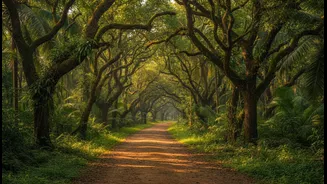
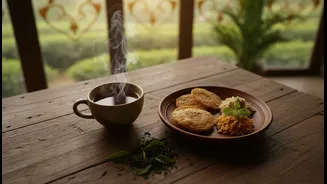
No visit to Jorhat is complete without immersing oneself in a tea estate. Many historic gardens now welcome visitors, offering a firsthand look at the journey from leaf to cup. Estates like Cinnamora, one of the oldest in Assam, and Gatoonga offer guided tours where you can watch tea pluckers at work and learn about the intricate processing methods inside the factory. For a truly immersive experience, consider staying in a heritage tea bungalow. Places like Thengal Manor or the Banyan Grove bungalow at Gatoonga Tea Estate offer a taste of the planter's life, with colonial-era furnishings, sprawling lawns, and unparalleled views of the gardens. These stays often include curated tea-tasting sessions, where you can learn to distinguish the nuanced flavours of different flushes under expert guidance.
A Taste of Assamese Tradition
Jorhat's culture is best understood through its food, which is simple yet rich in flavour. A traditional Assamese thali is a must-try, offering a window into the local palate. Look for dishes like 'Masor Tenga', a tangy fish curry that is a beloved staple, and 'Khar', a unique alkaline preparation often made with raw papaya. 'Aloo Pitika', a comforting mash of potatoes with mustard oil and green chillies, is another local favourite. For the more adventurous, there are dishes featuring duck meat, often cooked with ash gourd for special occasions. Eateries like Chouka are known for serving authentic ethnic cuisine, including preparations with bamboo shoots and banana flowers. Don't leave without trying 'pithas', traditional rice cakes that come in both sweet and savoury varieties.
The Gateway to Upper Assam
Jorhat's true strength as a travel hub lies in its strategic location as the gateway to the rest of Upper Assam. The city serves as the primary access point for Majuli, the world's largest river island and a hub of neo-Vaishnavite culture. A ferry ride from Nimati Ghat, just a short drive from Jorhat, transports you to this serene island known for its 'Satras' (monasteries) and vibrant local arts. Jorhat is also an excellent base for exploring Sivasagar, the former capital of the Ahom kingdom, with its impressive historical monuments. For wildlife enthusiasts, the Hoollongapar Gibbon Sanctuary is nearby, home to India's only ape species, the hoolock gibbon. This connectivity makes Jorhat not just a destination in itself, but a launchpad for a much broader exploration of Assam's diverse landscapes and rich history.