







The Monument Myth
We've all been there. You stand in a long queue, ticket in hand, waiting to see a famous fort, palace, or statue. You take the same photo as millions before you and tick an item off a list. While monuments are historically significant, they often present
a sanitised, past-tense version of a city. They are stages on which history happened, but the daily life of the city now hums elsewhere. The experience can feel passive, like watching a film on mute. You see the structure, but you miss the story of the people who live in its shadow. Relying solely on these landmarks can mean you travel to a new place only to remain firmly inside a tourist bubble, interacting only with other visitors and ticket-takers.
The Market: A City's Living Room
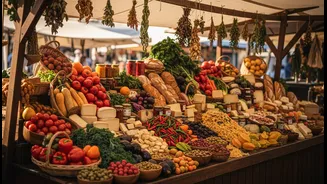
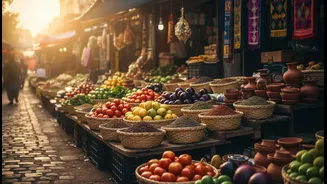
In contrast, a market is a city in miniature. It is the most honest and dynamic cultural hub you can find. This is where locals perform the daily rituals of life—shopping for dinner, catching up on gossip, and earning a living. The products on display tell you everything about the local geography, economy, and palate. What fruits are in season? What spices form the base of local cuisine? What crafts are passed down through generations? The market is a living museum where the exhibits are edible, usable, and constantly changing with the seasons. It’s a place of connection, where transactions are also conversations and social bonds are strengthened. Unlike a monument, a market is not about the past; it is about the vibrant, noisy, and delicious present.
A True Feast for the Senses
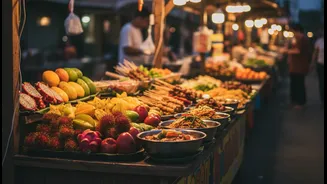
Travel memories are forged in the senses, and no place engages them all quite like a market. Imagine the scent of marigolds and jasmine at Kolkata’s Mullik Ghat Flower Market, the sizzle of khao soi noodles at a Chiang Mai night bazaar, or the kaleidoscope of spices piled high in Istanbul's Egyptian Bazaar. You can hear the rhythmic chop of a butcher's knife, the good-natured haggle between a vendor and a regular, and the laughter of children. You can taste a fruit you’ve never seen before, offered as a free sample. You can feel the texture of handwoven textiles and admire the skill of artisans at work. These are not passive observations; they are immersive experiences that ground you in a place and create memories that last far longer than a photograph of a building.
How to Explore a Market Like a Local
To truly unlock a market's magic, a little strategy helps. First, go early. The morning hours are when markets are most authentic, with vendors setting up and locals doing their serious shopping before the tourist crowds arrive. Bring cash, especially small notes, as many vendors won't accept cards. Do a full lap before buying anything to get a sense of the layout and pricing. Be curious and engage with the vendors; a smile and a simple question about their products can lead to wonderful interactions and insights. Don’t be afraid to try unfamiliar foods, especially from stalls that are busy with locals—that’s your best guide to what’s safe and delicious. The goal isn't just to shop, but to observe, listen, and connect.
From Delhi to the World
This travel philosophy works everywhere. In Delhi, a morning at the Khari Baoli spice market offers a more potent hit of Old Delhi's character than many of the city's grand tombs. In Tokyo, the Tsukiji Outer Market remains a pilgrimage site for food lovers, offering a taste of Japan’s obsession with quality and freshness. In Marrakech, the Jemaa el-Fnaa square transforms into a sprawling marketplace that is the undisputed heartbeat of the city, a UNESCO-recognized cultural space. And in Barcelona, La Boqueria is more than a place for groceries; it’s where you can pull up a stool for tapas and soak in the city’s culinary energy. Each one offers a direct entry point into the culture, bypassing the formal filter of official tourist sites.