







The Age of Extreme Cleanses
For years, the word “detox” summoned images of deprivation. It meant surviving on watery vegetable juices, enduring inexplicable hunger pangs, and scrolling through social media feeds of influencers promoting miracle concoctions. This was the era of extreme
cleanses, where the goal was often a quick, if temporary, drop in weight or a feeling of virtuous suffering. The underlying belief was that our bodies were laden with unnamed “toxins” that could only be purged through drastic, short-term interventions. These detox plans, often sold in expensive packages or promoted through celebrity testimonials, promised a reset button. But for most, they delivered little more than a few days of misery, followed by a swift return to old habits, often accompanied by a sense of failure.
The Science-Backed Reality Check
As wellness literacy has grown, so has skepticism towards these quick fixes. Experts and nutritionists have become more vocal, clarifying a fundamental truth: your body already has a sophisticated, built-in detoxification system. Your liver, kidneys, lungs, lymphatic system, and even your skin are constantly working to filter, process, and eliminate waste products and harmful substances. The liver, in particular, is a powerhouse, converting toxic substances into harmless ones that can be excreted. The idea that you can “cleanse” or “flush” these organs with a specific juice or tea is, according to modern medicine, a marketing myth. You cannot force your liver to work “better” for three days by starving yourself. In fact, extreme caloric restriction can put more stress on your body, depriving it of the very nutrients—proteins, vitamins, and minerals—that these organs need to function optimally.
From Quick Fix to Lifestyle
This is where the new, “useful” detox comes in. The conversation is shifting from a punishing, short-term event to a supportive, long-term lifestyle. Instead of trying to override the body’s natural processes, the modern approach is to support them. This new philosophy isn’t about what you can eliminate for a week, but what you can consistently add to your life. It’s less about restriction and more about nourishment. The focus is on providing your body with the tools it needs to do its job effectively every single day. This includes eating a diet rich in whole foods, prioritising gut health, staying hydrated, getting adequate sleep, and managing stress—factors that have a far more profound and lasting impact on your well-being than any 7-day cleanse.
Ancient Wisdom, Modern Application
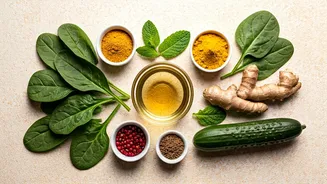
This shift also finds harmony with a more nuanced understanding of traditional Indian practices. While Ayurveda has long incorporated concepts of cleansing (like *Panchakarma*), the contemporary interpretation is becoming less about rigid, austere purges and more about holistic, gentle resets. Practices like starting the day with warm water and lemon, incorporating digestive spices like ginger and turmeric into meals, and dry brushing to stimulate circulation are being seen not as magical cures, but as simple, mindful rituals that support digestion and overall health. The focus is on balance (*Sama*), not extremism. This modern integration respects ancient wisdom by applying its principles in a sustainable way that fits into today's life, rather than demanding a complete and disruptive overhaul.
How to Support Your Body, Simply
So, what does this new, useful detox look like in practice? It’s refreshingly simple. First, prioritise hydration with plain water; it’s essential for kidney function and waste removal. Second, eat a colourful variety of fruits and vegetables. Their antioxidants and fibre are crucial for supporting liver health and maintaining a healthy gut microbiome. Third, reduce your intake of ultra-processed foods, excess sugar, and alcohol, which place an unnecessary burden on your liver. Fourth, ensure you get 7-8 hours of quality sleep, as this is when your brain and body perform critical repair and cleaning functions. Finally, find ways to move your body and manage stress, both of which have a significant impact on your body’s overall ability to maintain balance and health.