







They Build a 'Plan B' Itinerary
The smartest travellers today don’t just have a Plan A. Before they even pack their bags, they build a parallel ‘Plan B’ itinerary specifically for bad weather. This isn’t a vague list of backup ideas; it's a curated, exciting schedule of indoor activities.
Think of it as a ‘shadow trip’ waiting to be activated. This could involve pre-booking a flexible ticket for a blockbuster museum exhibit, mapping out a multi-stop tour of a city’s best independent bookstores and cafes, or researching local cooking classes and craft workshops. By treating the rainy-day plan with the same enthusiasm as the sunny-day one, the feeling of ‘missing out’ disappears. Instead, a downpour becomes a simple trigger to switch from one awesome plan to another, ensuring the travel momentum is never lost.
They Master Micro-Forecasting with Tech
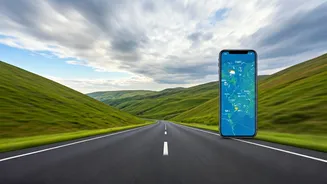
Gone are the days of relying on a simple, all-day weather forecast. Young travellers are using a suite of sophisticated apps that offer hyper-local, minute-by-minute precipitation forecasts. Apps like Dark Sky, AccuWeather, and others with radar maps allow them to become their own meteorologists. They’re not just checking if it will rain; they're identifying specific two-hour dry windows to dash between neighbourhoods or see an outdoor monument. This tech-savvy approach transforms them from passive victims of the weather into active strategists. A forecast of ‘rain all day’ might actually contain a perfect dry spell for a quick hike or a walk through a park, and this generation knows exactly how to find and exploit it.
They Embrace Indoor Culture Dives
For this new guard of globetrotters, a rainy day is the perfect excuse to go deeper, not wider. Instead of seeing a city’s top five outdoor sights, they use the rain as a prompt to dive into its cultural underbelly. This means skipping the long queues in the rain and instead spending hours in a niche museum dedicated to local history or a quirky art form. It means finding an old-school single-screen cinema that shows regional films, or settling into a legendary local board game cafe for an afternoon. This mindset shift redefines a successful travel day. It’s no longer about ticking off a checklist of landmarks, but about having an authentic, immersive experience that often happens best when you’re forced indoors, away from the usual tourist trails.
They Lean into the 'Cozy-Core' Aesthetic
Part of this strategic shift is also a cultural one, heavily influenced by social media. The rise of ‘cozy-core’ and romanticizing the mundane has made a rainy day in a new city an aesthetic to be celebrated, not endured. For many young travellers, the goal is to find the most charming cafe with a window seat, order a hot drink, and post a picture of their book against the backdrop of rain-streaked glass. This isn’t just for show; it’s a genuine change in philosophy. It champions a slower, more deliberate form of travel. The pressure to constantly be on the move is lifted, replaced by the permission to simply sit, observe, and enjoy the ambiance of a place. A rainy day becomes an opportunity for rest and reflection—a welcome pause in an otherwise packed itinerary.
Flexibility is Their Golden Rule
Perhaps the most significant strategy is a logistical one: an absolute insistence on flexibility. Young travellers are increasingly aware that climate change is making weather patterns more unpredictable everywhere, from monsoons in Southeast Asia to sudden storms in Europe. In response, they prioritize flexible bookings above almost everything else. This means booking hotels with generous 24-hour cancellation policies, choosing airlines that don't charge exorbitant change fees, and opting for tours that can be rescheduled. This flexibility is their ultimate insurance policy. If a three-day beach trip is about to be a washout, they have the power to pivot, change their destination, or alter their dates without losing a significant amount of money, turning a potential disaster into a spontaneous new adventure.