
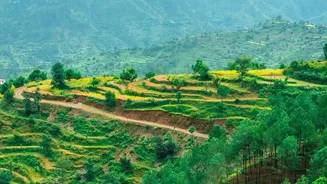
Meghalaya: The Abode of the Clouds
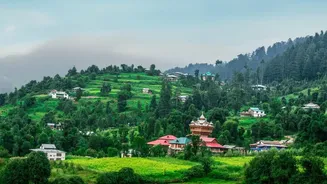
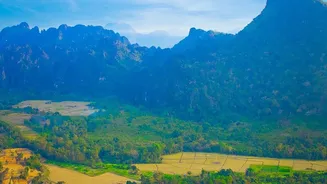
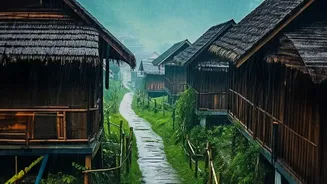
Meghalaya truly lives up to its name during the monsoon. The state, one of the wettest places on Earth, becomes a spectacle of nature's power and beauty. Cities like Shillong and Cherrapunji are wrapped in a dreamlike mist, with temperatures remaining
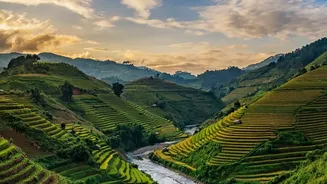
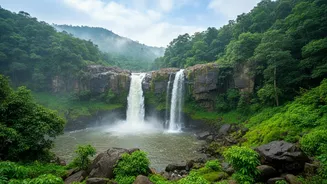
cool and pleasant. This is the best time to witness the region’s famous waterfalls, such as Nohkalikai Falls and the Seven Sisters Falls, which are at their most powerful and dramatic. The landscape turns an impossible shade of green, making it a photographer's dream. But the true magic of a Meghalayan monsoon lies in its most unique creation: the living root bridges.
Walking on Living Architecture
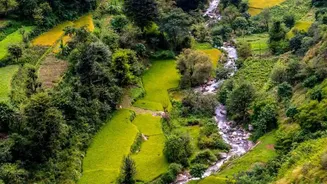
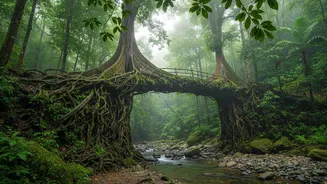
The living root bridges, or 'jing kieng jri', are a marvel of bio-engineering created by the Khasi and Jaintia tribes over centuries. These are not built, but grown, by guiding the aerial roots of the Ficus elastica (rubber fig) tree across rivers and streams. A process that takes 15 to 30 years results in a bridge that gets stronger with rain, capable of withstanding the fierce monsoon torrents that wash away man-made structures. Some are estimated to be over 200 years old. Visiting them during the monsoon is seeing them in their true element, with rivers raging below and the surrounding forest glistening and primeval. The famous Double Decker bridge in Nongriat involves a strenuous trek down thousands of wet steps, but more accessible options like the Riwai root bridge near Mawlynnong offer an equally enchanting experience.
Wildlife Adventures in Assam
While monsoon travel presents challenges for wildlife spotting in some areas, it offers a different perspective in others. Major national parks like Kaziranga and Manas traditionally close large sections from June to September due to widespread flooding from the Brahmaputra River. However, the annual floods are a vital ecological process that rejuvenates the grasslands. For visitors, this can still be an opportunity. In Kaziranga, certain elevated sections of the Western and Central ranges often remain accessible for jeep safaris. These safaris offer a unique chance to see animals like rhinos and elephants seeking refuge on higher ground, with far fewer tourists around. It's crucial to check with park authorities for the latest information on accessibility, as conditions can change rapidly.
Trekking Through Mist and Bloom
While many high-altitude treks become unsafe during the monsoon due to slippery trails and landslides, some routes in the Northeast are celebrated for their rainy-season beauty. The Dzukou Valley trek, on the border of Nagaland and Manipur, is a prime example. During the monsoon, the valley transforms into a carpet of vibrant wildflowers, including the famous Dzukou lily, making for a breathtaking sight. Trekkers navigate through lush forests and misty landscapes to reach the valley floor. It is considered one of the best monsoon treks in the region, offering a serene and immersive experience in nature's embrace. As with any monsoon adventure, it's essential to be well-prepared with waterproof gear and to travel with experienced guides.
Sikkim and Arunachal's Serene Escapes
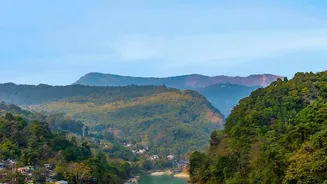
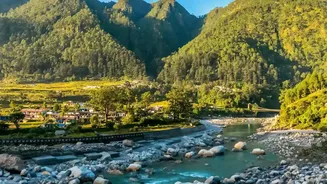
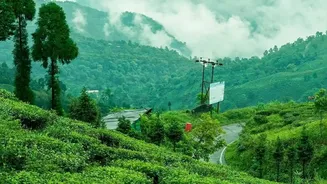
Beyond the popular circuits, states like Sikkim and Arunachal Pradesh offer peaceful monsoon getaways. In Sikkim, the capital Gangtok becomes a tranquil haven, with mist-covered hills and a pleasant climate. It's a time for leisurely exploring monasteries and enjoying the verdant landscapes. Similarly, parts of Arunachal Pradesh, like the serene Ziro Valley, become incredibly lush and inviting. While road conditions need to be monitored, these destinations provide a quieter, more intimate connection with the mountains, away from the peak season crowds. The rain washes the landscape clean, offering fresh mountain air and dramatic cloud-filled skies that redefine the beauty of the Himalayas.