


Weather and What to Pack
August in Ladakh offers some of the most pleasant weather of the year, but it's a month of contrasts. Expect bright, sunny days with temperatures in Leh ranging from 15°C to 25°C. The sun's UV rays are incredibly strong at this altitude, so sunscreen,
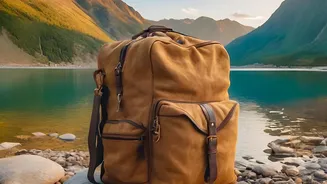
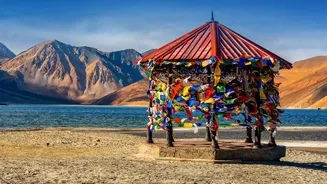
sunglasses, and a wide-brimmed hat are non-negotiable. However, the moment the sun sets, temperatures can drop sharply, often to around 10°C or even lower, especially at higher altitudes like Pangong Lake. While Leh itself is in a rain shadow and receives little rainfall, the approach highways via Manali and Srinagar can be affected by monsoons, leading to potential landslides. Your packing strategy should be all about layers: lightweight t-shirts for sunny afternoons, a fleece jacket for the evening chill, and a windproof and waterproof outer layer for unexpected weather changes and cold nights.
Acclimatization: Your Top Priority
The single most important rule for a trip to Ladakh is proper acclimatization. Leh is situated at an altitude of 3,500 metres (about 11,500 feet), where oxygen levels are significantly lower. Flying directly into Leh causes a sudden jump in altitude, increasing the risk of Acute Mountain Sickness (AMS). Symptoms include headaches, dizziness, nausea, and fatigue. To prevent AMS, you must dedicate the first 48 hours in Leh to complete rest. This means no strenuous activity, not even a long walk through the market. Stay hydrated by drinking at least 4-5 litres of water daily and avoid alcohol for the first few days. Plan your itinerary to ascend gradually, sleeping at progressively higher altitudes. Rushing to see everything is the fastest way to ruin your trip.
Road Conditions and Choosing Your Route
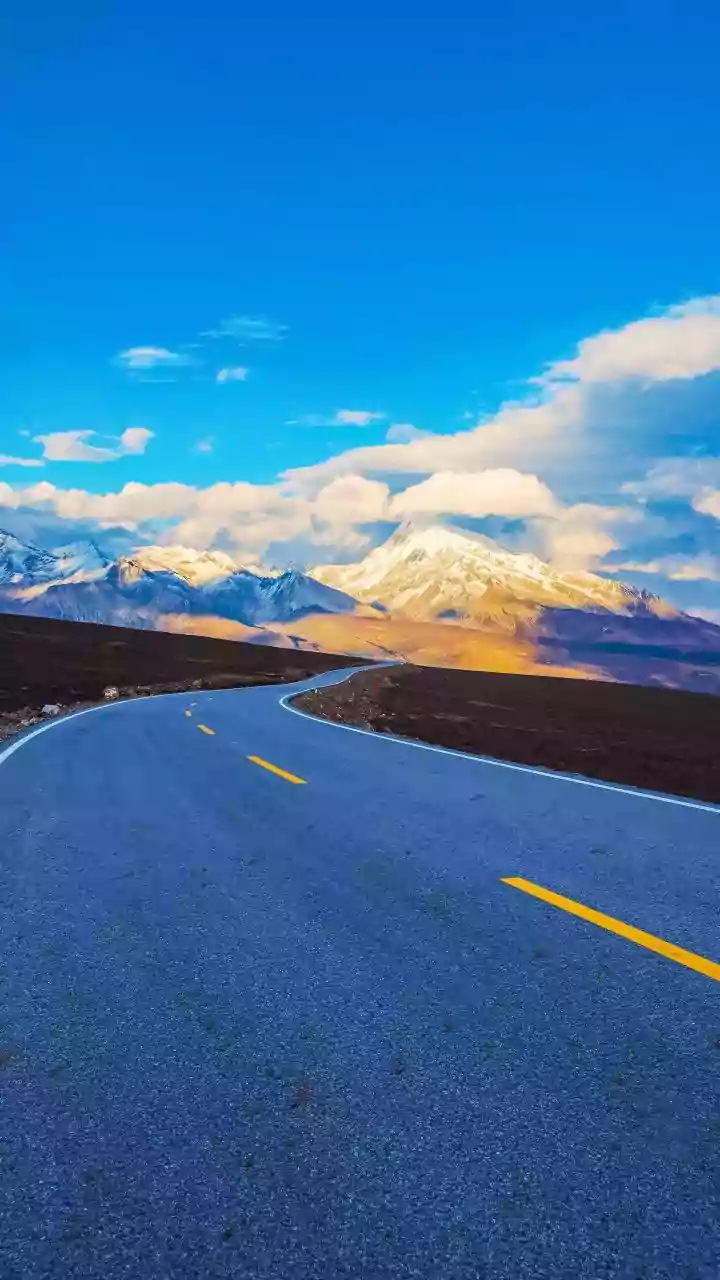
For road trippers, both the Manali-Leh and Srinagar-Leh highways are typically open in August. However, this is also the peak of the monsoon in the lower Himalayas. The Manali-Leh route, while scenically dramatic, is more prone to landslides and slushy water crossings during this time. The Srinagar-Leh highway is generally considered a better option for gradual acclimatization as the ascent is less steep. Regardless of the route, always build buffer days into your itinerary. Temporary road closures due to landslides are common, and a flexible schedule will prevent stress. If you are flying into Leh, internal roads to popular destinations like Nubra Valley and Pangong Tso are usually open and in good condition.
Permits and Paperwork
To visit many of Ladakh's most iconic locations, you will need permits. Areas like Nubra Valley, Pangong Tso, and Tso Moriri are classified as protected and require an Inner Line Permit (ILP) for Indian citizens and a Protected Area Permit (PAP) for foreign nationals. The process has been streamlined and can be done online through the official Leh administration portal. You'll need to pay an environment fee and a daily wildlife protection fee. It's crucial to apply for these permits after you arrive in Leh, as you'll need to be acclimatized before venturing into these even higher-altitude areas. Always carry multiple photocopies of your permit and a valid government-issued ID, as you will need to submit them at various checkpoints along your route.
Booking and Itinerary Planning
August is peak tourist season in Ladakh, so advance planning is key. Flights and accommodations in popular areas get booked out quickly. It's wise to reserve your stay in Leh and key locations like Nubra Valley well in advance. While it’s good to have a plan, maintain flexibility. A rigid itinerary can be difficult to follow due to unpredictable mountain weather and road conditions. A typical one-week itinerary would involve two days of acclimatization in Leh, followed by a two-day trip to Nubra Valley via Khardung La, and a day trip or overnight stay at Pangong Lake. This allows for a comfortable pace without overexerting yourself.
Embrace the Local Culture
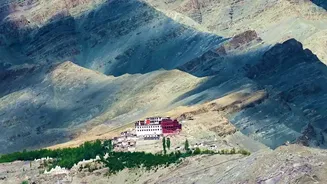
A trip to Ladakh is incomplete without experiencing its rich cultural tapestry. August is a fantastic time for this, with several monastery festivals often taking place. Check the local calendar for events like the Karsha Gustor in Zanskar or other smaller festivals. When visiting monasteries, dress modestly and always ask for permission before taking photographs of people or religious ceremonies. Remember that you are a guest in a unique and fragile ecosystem. Practice responsible tourism by minimizing plastic waste, respecting local customs, and supporting local businesses and homestays, which offer an authentic glimpse into Ladakhi life.