

Why So Precious?
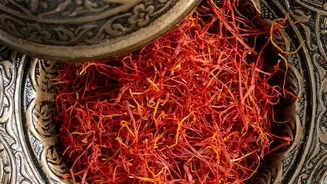
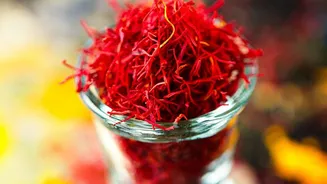
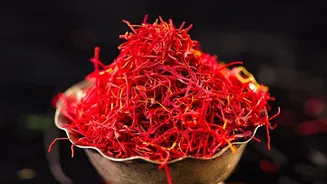
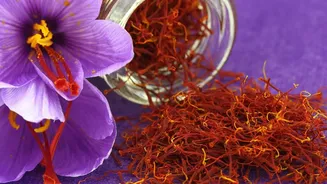
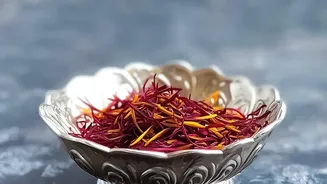
Saffron's high cost comes down to its incredibly labour-intensive harvesting process. The spice consists of the three tiny, delicate red stigmas found in the centre of the Crocus sativus flower. Each flower must be picked by hand, and it takes between
70,000 and 150,000 flowers to produce just a kilogram of dried saffron. The harvest season is short, and the stigmas must be separated from the flower promptly to preserve their quality. This painstaking process, combined with limited growing regions in places like Iran and Kashmir, is what makes it so valuable. Understanding this effort helps explain why every single thread is worth savouring.
The Golden Rule: Less Is More
When it comes to saffron, a little goes a very long way. Just a small pinch is enough to infuse a dish for several people with its signature golden hue, complex aroma, and distinct flavour, which is often described as floral and earthy with notes of honey. Using too much saffron is a common mistake that can actually ruin a dish by making it unpleasantly bitter. The goal is a subtle, luxurious enhancement, not an overpowering flavour. A small quantity, typically just a few threads, is sufficient to transform everything from rice dishes to desserts.
How to Unlock Saffron’s Magic
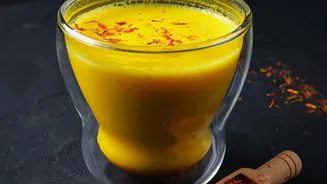
Simply tossing dry saffron threads into your cooking is a waste of money. The flavour, aroma, and colour compounds—known as safranal, picrocrocin, and crocin—are water-soluble and need time to be released. To get the most from your saffron, you must 'bloom' it first. Gently crush a pinch of saffron threads with your fingers or a mortar and pestle. Then, soak the crushed threads in a few tablespoons of a warm liquid like water, milk, or broth for at least 15 to 20 minutes. The liquid should be warm, not boiling, as excessive heat can destroy the delicate aromatic compounds. You'll know it's ready when the liquid turns a deep golden-orange. Add this entire infusion, threads and all, to your dish near the end of the cooking process.
Perfect Pairings in the Indian Kitchen
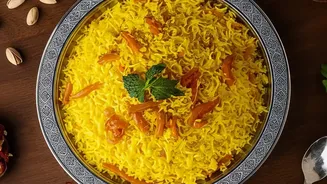
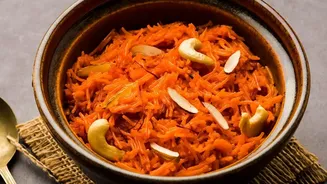
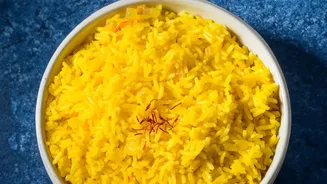
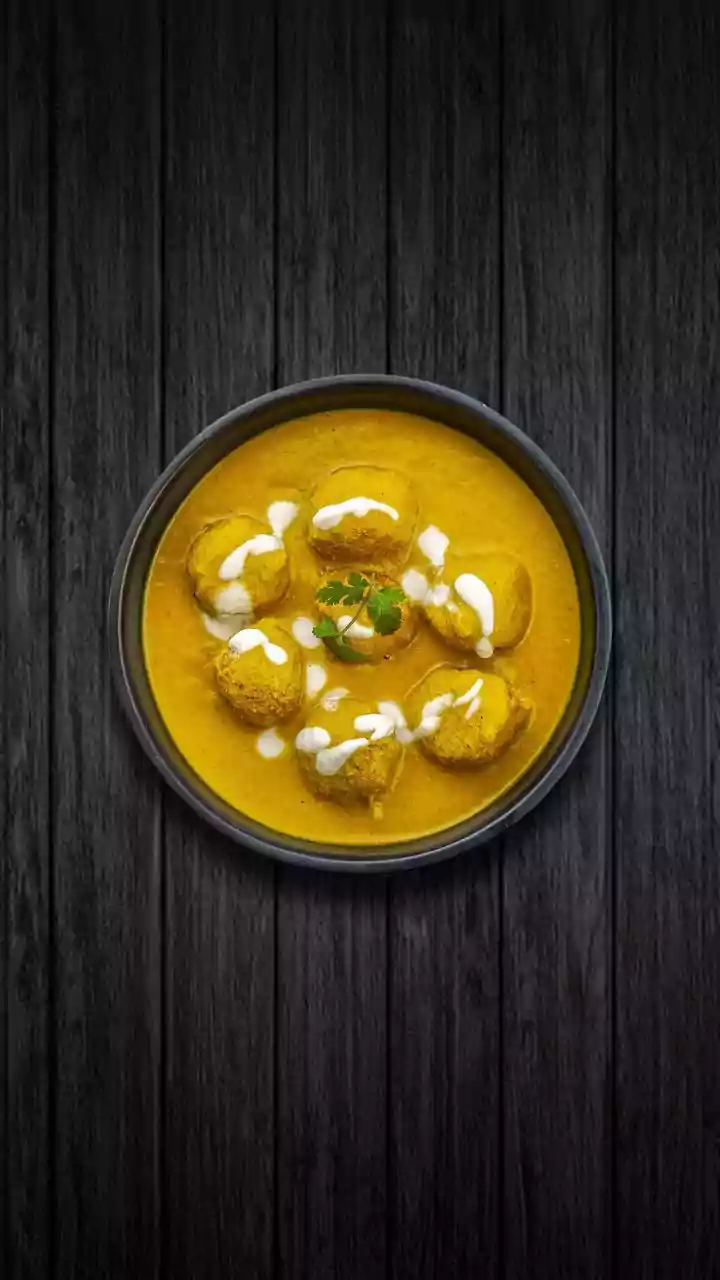
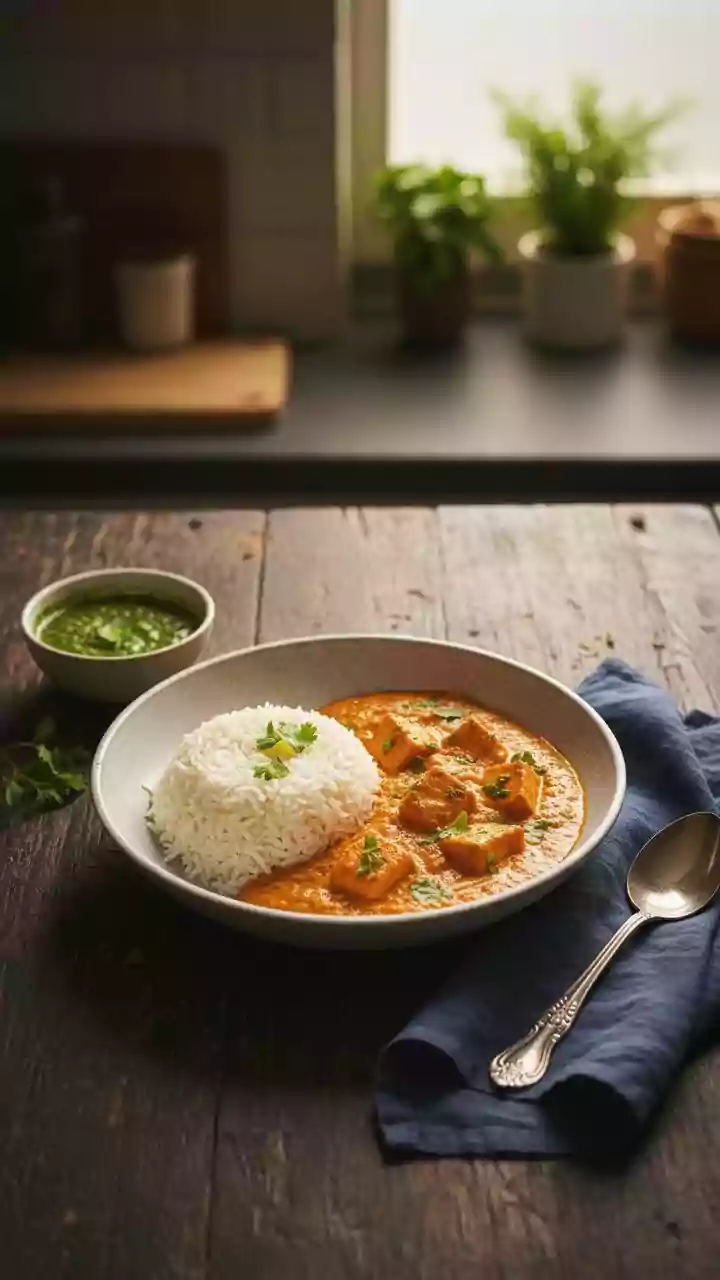
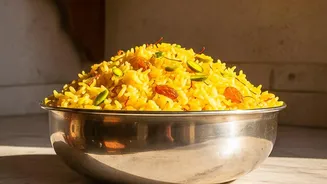
Saffron, or 'kesar' as it is known in India, is a cornerstone of many celebratory and traditional dishes. It lends its iconic colour and aroma to biryanis and pulaos, where it is often infused in milk and drizzled over the rice to create beautiful, fragrant layers. In the realm of sweets, saffron is indispensable. It elevates simple desserts like Kheer (rice pudding) and Phirni (ground rice pudding) into rich, aromatic delicacies. It's also the star ingredient in sweets like Ras Malai, Kesar Peda, and Kesar Pista Kulfi, providing both a beautiful golden tint and a sophisticated flavour that balances the sweetness.
Spotting the Real Deal
Because of its high price, saffron is often subject to adulteration. Fakes can include dyed corn silk, safflower petals, or even shredded paper. To check for authenticity, use the cold water test. Drop a few threads into a glass of cold water. Real saffron will release its golden-yellow colour slowly, and the threads themselves will remain red. Fake saffron, on the other hand, will often bleed a bright red or orange dye immediately. Genuine saffron threads should be a deep, uniform red and have a distinct trumpet shape at one end. They should have a strong floral and honey-like aroma but taste slightly bitter, never sweet.